Sao Tome and Principe presidential vote draws scrutiny over Russian military pact
Voters in the Gulf of Guinea state head to the polls ahead of September parliamentary elections, with international attention focused on a 2024 security agreement with Moscow.
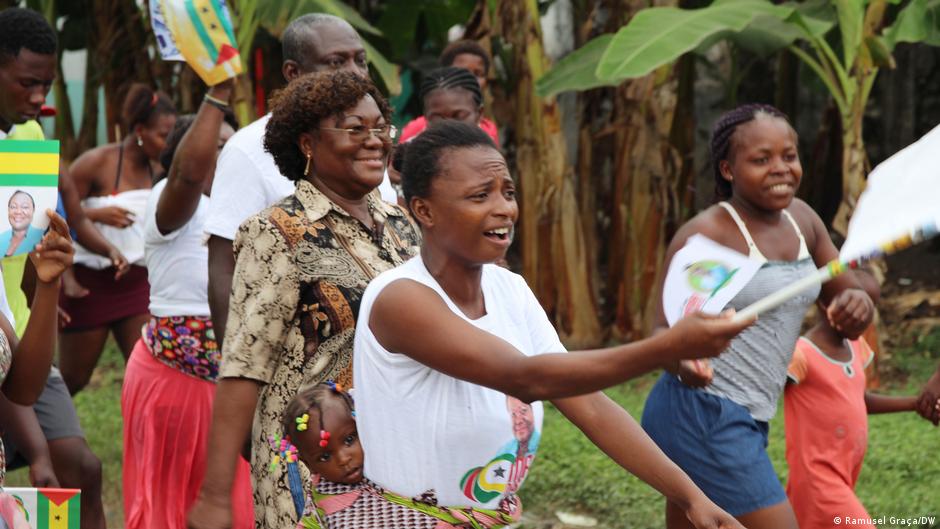
Voters in Sao Tome and Principe are heading to the polls on Sunday to elect a new president, a contest that has drawn significant international scrutiny due to the nation’s strategic location and a military cooperation agreement signed with Russia in April 2024. The election precedes parliamentary polls scheduled for late September, with incumbent President Carlos Vila Nova widely regarded as the frontrunner for re-election.
The archipelago, home to approximately 245,000 people, sits on the Equator in the Gulf of Guinea, a region critical for international shipping lanes and energy reserves. Former Foreign Minister Elsa Pinto emphasised the country’s enduring geostrategic importance, noting that major commercial and military routes pass through its waters. While the nation is one of Africa’s smallest by area and population, its position has historically made it a hub for trade and, more recently, a focal point for geopolitical interest.
International attention has intensified following the revelation of an open-ended military cooperation deal with Russia, which covers training, technical assistance, arms cooperation, intelligence sharing, and reciprocal visits by naval vessels and aircraft. A separate accord was also signed with Russia’s Interior Ministry regarding national police cooperation. The agreement has been closely monitored by European and US officials, particularly given the ongoing conflict in Ukraine and Russia’s expanding security footprint across the continent.
Despite the diplomatic friction, political analysts and former officials argue that the significance of the pact has been overstated. Political analyst Arzemiro dos Prazeres described the agreement as largely ineffective and symbolic, noting that it has not been implemented in practice. He argued that the controversy stemmed primarily from the timing of the deal rather than its substantive content, comparing it to other military agreements Sao Tome and Principe has maintained with the European Union, Brazil, Angola, and Portugal.
The presidential race has been consolidated around Vila Nova after former Prime Minister Jorge Bom Jesus withdrew from the contest, citing an avalanche of criminal falsehoods and a climate of political division. Vila Nova has campaigned on a platform of stability and unity, and analysts expect him to secure victory in the first round, rendering a runoff unnecessary. The European Union is deploying an election observation mission, led by Portuguese Member of the European Parliament Sergio Humberto, to oversee the process.
Voters will also be considering the future direction of the nation’s foreign policy. Pinto stated that the country intends to maintain good relations with all partners, including the United States, Europe, Russia, and China, adhering to principles of non-interference and the African Union. Following independence in 1975, the nation shifted from alignment with the Soviet Union to strengthening ties with Western partners while maintaining a broad diplomatic network.
As the election approaches, the central question remains whether the Russian agreement signals a genuine pivot or merely reflects a pragmatic effort to diversify partnerships. Pinto indicated that very little is expected to change in terms of foreign policy, with the government continuing to seek investment and security cooperation from a wide range of international actors. The outcome of this vote will be closely watched as a test of the archipelago’s ability to balance competing global interests while preserving its diplomatic autonomy.