Russia's Victory Day Parade marks diminished geopolitical standing as war stalls and near abroad shifts west
While US President Donald Trump claims credit for a ceasefire, economic projections have plummeted and nations like Armenia and Moldova deepen ties with the European Union.
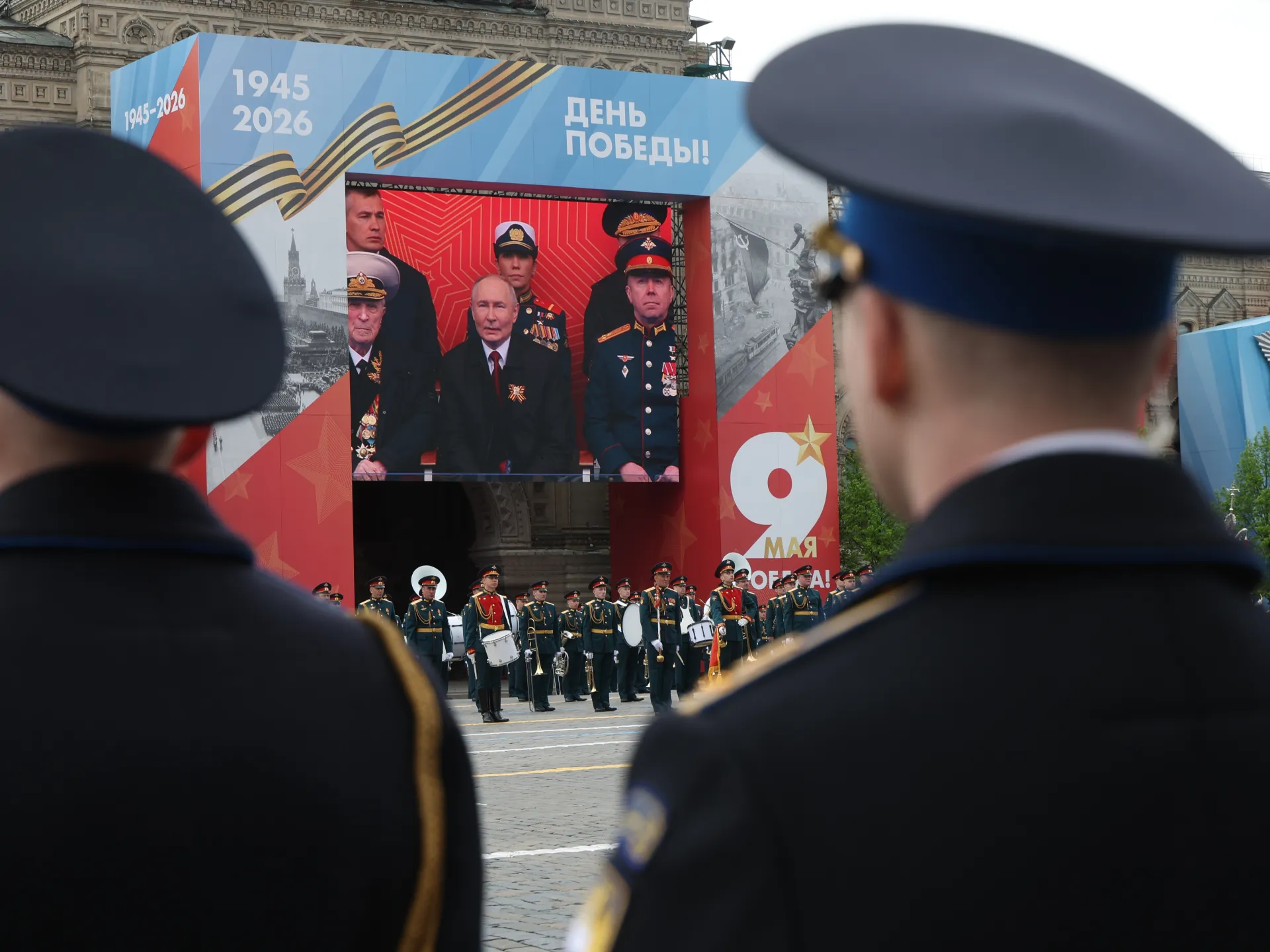
The annual Victory Day Parade in Moscow on 9 May 2026 served as a stark indicator of Russia's current geopolitical standing, featuring a markedly reduced attendance of foreign dignitaries compared to previous years. The lineup included leaders from Belarus, Kazakhstan, Laos, Malaysia, and Uzbekistan, alongside breakaway regions such as Republika Srpska, Abkhazia, and South Ossetia. However, the event was notably absent of high-profile allies like China and India, which did not attend, undermining the Kremlin's narrative of Russia as a linchpin of a new multipolar world order.
The visual impact of the parade was further diminished by the exclusion of heavy military equipment, a decision driven by fears of Ukrainian drone strikes. This absence of hardware, combined with the lack of major power representation, suggested a significant curtailment of the display's intended muscle-flexing purpose. Concurrently, the war effort in Ukraine remains stalled despite significant resource expenditure, with Ukrainian drones reportedly striking deep inside Russian territory, including areas near Red Square.
Economically, the Kremlin faces a challenging outlook as growth projections have plummeted from 4 per cent in 2024 to just over 1 per cent for the current year. While US President Donald Trump has publicly claimed credit for a three-day ceasefire between Moscow and Kyiv and noted that improved oil prices have bolstered Russia's fiscal balance, the broader economic mood remains gloomy. The US National Security Strategy continues to call for strategic stability with Russia, yet the inconclusive nature of the conflict and the removal of sanctions on some Russian oil have not reversed the lacklustre prospects for long-term development and technological innovation.
Simultaneously, Russia's influence in its 'near abroad' is waning as key neighbours strengthen ties with the West. Armenia hosted the European Political Community summit in May 2026, attended by Ukrainian President Volodymyr Zelenskyy and Canadian Prime Minister Mark Carney, followed by the first EU-Armenia summit. This high-profile engagement discussed up to €2.5 billion in investment and visa liberalisation, signalling Yerevan's strategic shift towards the European Union and its desire to join the trio of Ukraine, Moldova, and Georgia.
In parallel developments, both Armenia and Azerbaijan are actively courting the Trump administration as a peacebroker. In August 2026, their leaders signed a joint declaration to seek peace, with negotiations underway for the 'Trump Route for International Peace and Prosperity', also known as the Zangezur corridor. This diplomatic pivot sees the US scoring points in Russia's back yard, while Moscow watches from the sidelines as former satellites drift away from its embrace.
Further evidence of this drift includes Moldova, where pro-EU forces prevailed in parliamentary elections in 2025, and Georgia, which maintains no diplomatic relations with Russia despite the rule of the Georgian Dream party. The chances of these nations turning up at future parades are considered slim, as their political trajectories increasingly align with European integration rather than Moscow's sphere of influence.