Russia’s Supreme Court upholds Yabloko election ban as deputy leader receives prison sentence
Lev Shlosberg handed 11-year term for discrediting armed forces amid police detentions of supporters
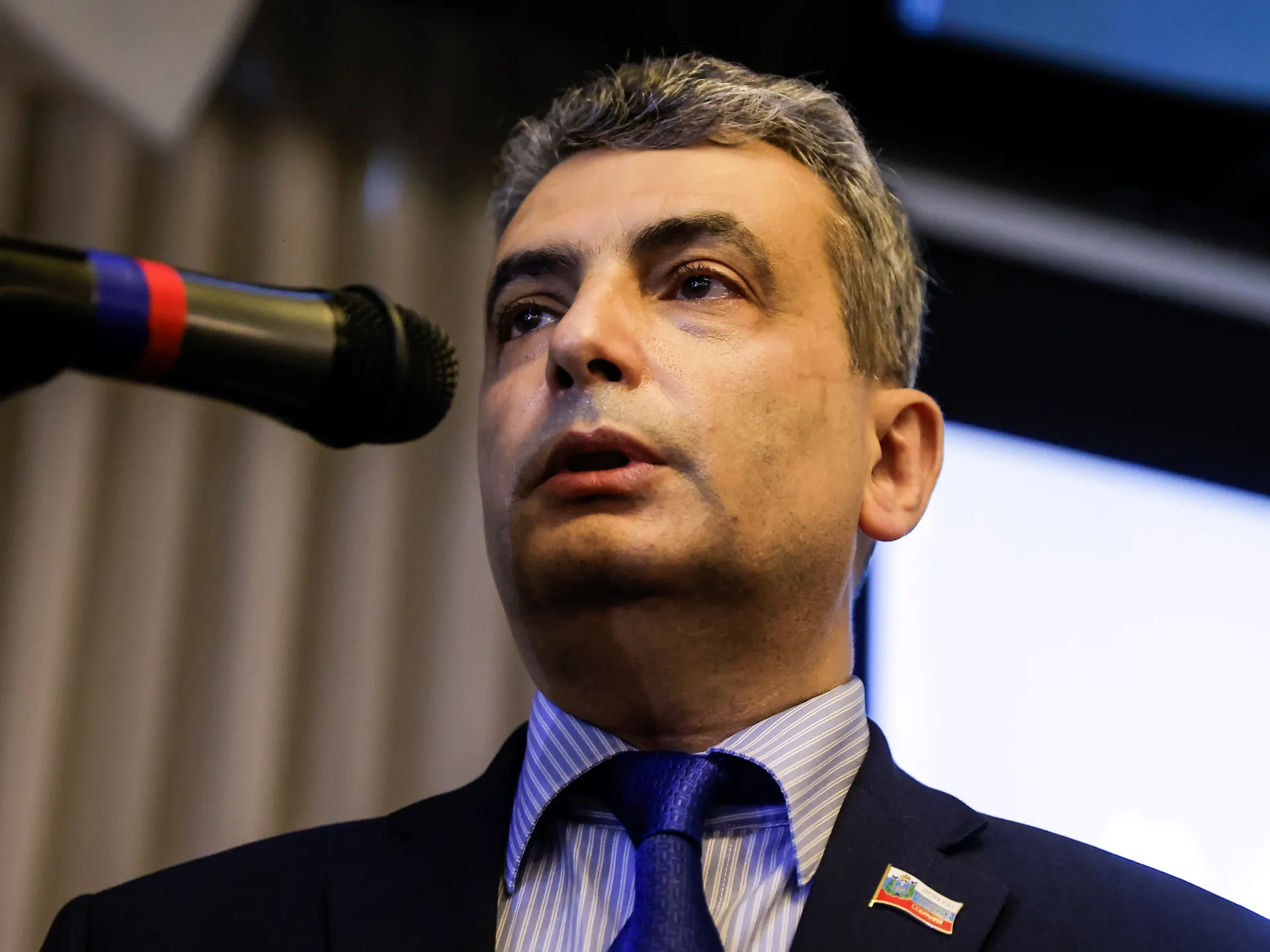
Russia’s Supreme Court has upheld a ban preventing the opposition Yabloko party from participating in September’s parliamentary elections, rejecting the party’s appeal against the revocation of its federal list of candidates. The ruling confirms the removal of the only registered political party calling for an end to the war in Ukraine from the ballot for the State Duma vote.
The case against Yabloko was initiated by Rodina, a pro-Kremlin nationalist party, which accused the opposition group of being backed by Western countries and seeking to undermine the election process and the Russian state itself. Yabloko rejected these accusations, with party leader Nikolay Rybakov stating the ban stripped voters of their only option to oppose the conflict.
In a separate ruling on the same day, a court sentenced Yabloko’s deputy leader, Lev Shlosberg, to 11 years and one month in a penal colony. Shlosberg was convicted under legislation passed since February 2022, which allows for lengthy prison terms for those found guilty of discrediting the Russian armed forces or spreading false information about the war.
During his trial, Shlosberg delivered a defiant closing speech, labelling the war a catastrophe for Russia. He predicted that the precise death toll of the conflict would eventually be made public, stating that the nation would shudder at the eventual list of names.
Police detained dozens of supporters and journalists outside the court following the announcements. Kirill Goncharov, head of Yabloko’s Moscow branch, told Novaya Gazeta that officers appeared nervous and that many detainees were taken to nearby stations. Rybakov described the detentions as intimidation.
Yabloko confirmed the failure of its appeal on Monday and announced it would seek a supervisory review of the decision. The party continues to argue that the judicial actions represent an erosion of democracy and an attempt to silence dissent regarding the war in Ukraine.
The convictions highlight the severe legal risks facing individuals who openly criticise the military campaign. Shlosberg joins a list of prominent figures, including human rights campaigner Oleg Orlov and the late Alexei Navalny, who have spoken out against repression from the dock with little chance of acquittal.