Russia’s Supreme Court bars anti-war Yabloko party from parliamentary elections
The ruling eliminates the country’s last liberal voice from the September State Duma contest, prompting appeals and protests outside the courthouse.
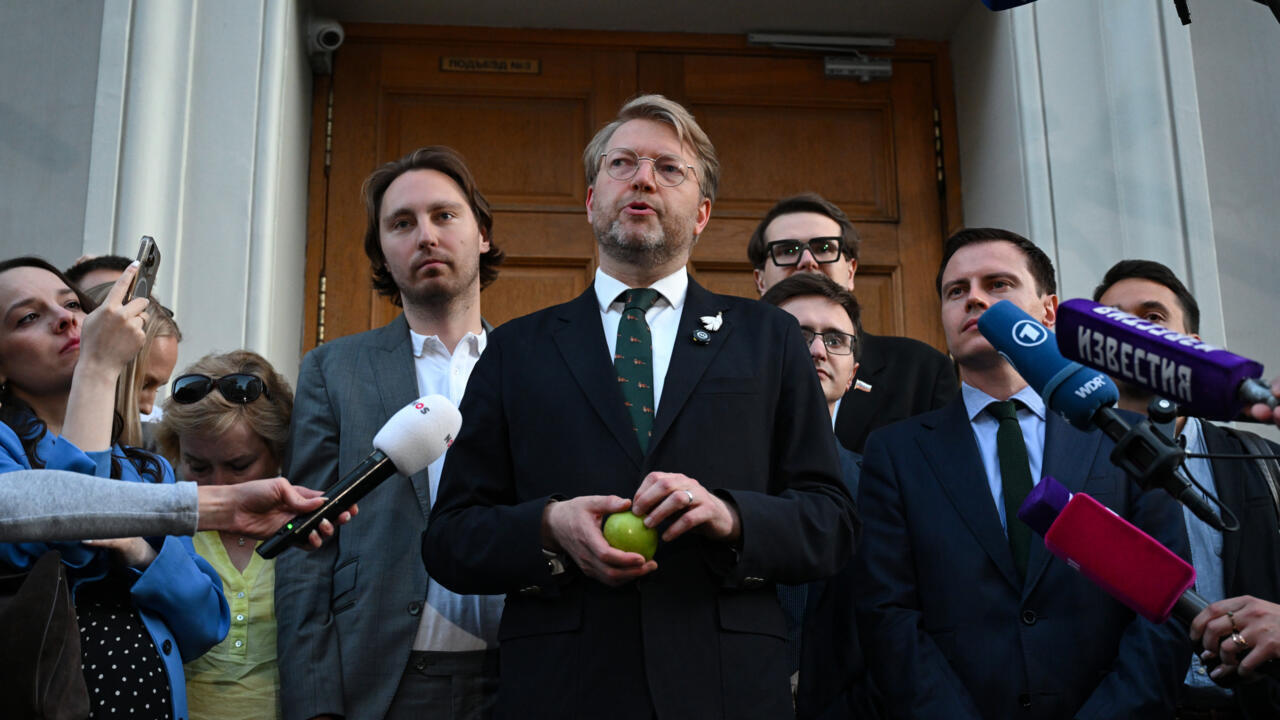
Russia’s Supreme Court has upheld a legal challenge brought by a pro-Kremlin nationalist party to cancel the registration of the Yabloko political party for the upcoming September State Duma elections. The decision, delivered by Judge Vyacheslav Kirillov, effectively removes the country’s only liberal and anti-war political group from the ballot, leaving voters with no opposition option in the lower house contest.
Judge Kirillov confirmed that the claims seeking to annul the federal list of candidates nominated by Yabloko had been granted. The ruling strips voters opposed to the four-and-a-half-year war in Ukraine of their final electoral choice, consolidating the political landscape under the control of the ruling United Russia party, which has won every parliamentary vote since 2003.
Following the announcement, approximately 100 supporters, predominantly young people, gathered outside the courthouse. They chanted “Shame! Shame!” as the verdict was delivered. Yabloko leader Nikolay Rybakov addressed the crowd after the hearing, announcing the party’s intention to appeal the decision. He stated that the party’s primary task is to “stop deaths and bring the peace back,” asserting that all their efforts must be dedicated to that objective.
Yabloko is currently the only liberal party still operating within Russia, as most other opponents of President Vladimir Putin are either jailed, exiled, or deceased. The party has received backing from exiled opposition figures, including Yulia Navalnaya, the widow of the late Alexei Navalny. Both Navalnaya and her husband are designated as “extremists” by the Russian state, a classification that has severely restricted their political activities.
Recent polling indicates that Yabloko holds approximately three percent support, falling short of the five-percent threshold required to enter the State Duma. Despite this, independent polls suggest that most Russians favour peace negotiations with Kyiv, contrasting with President Putin’s hardline stance and his refusal to engage in talks with Ukrainian President Volodymyr Zelensky. The diplomatic efforts to end the conflict have so far failed, with Moscow pushing for territorial demands while Ukrainian forces continue near-daily long-range strikes on Russian oil facilities.