Russia’s State Duma vote tests legitimacy amid special military operation
The Kremlin invested heavily in the first parliamentary elections held during its ongoing conflict, using the vote as a barometer for public sentiment and a trigger for government personnel changes.
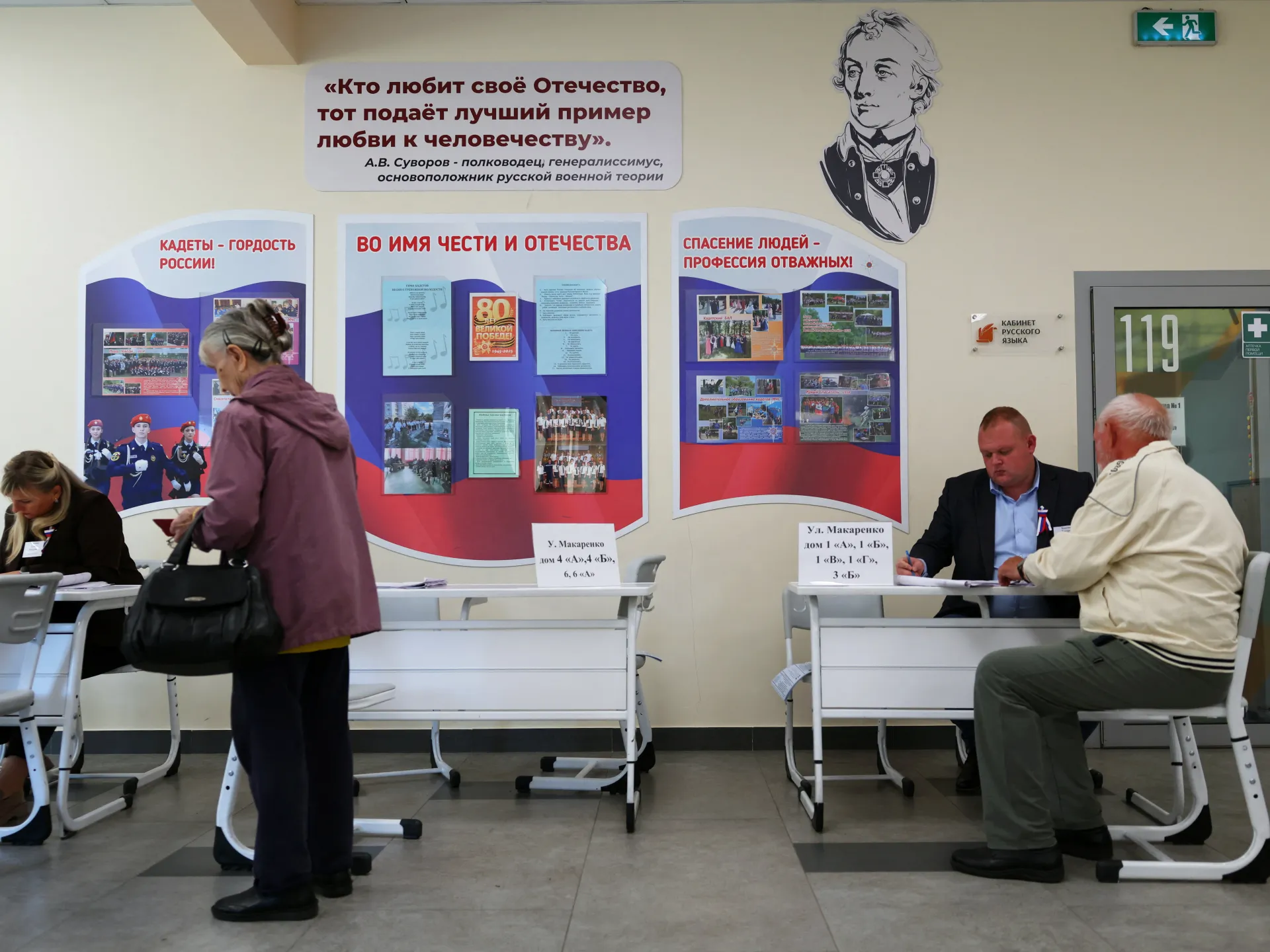
Russia has conducted its first State Duma parliamentary elections during its ongoing special military operation, a move that marks a significant departure from the postponement of Ukraine’s 2024 presidential election until postwar times. The Kremlin invested substantial resources to ensure high voter turnout, framing the vote not as mere political theatre but as a vital mechanism for maintaining political legitimacy and gauging public sentiment.
To boost participation, Russian authorities took several administrative steps in the months leading up to the vote. Unpopular decisions, such as significant nationwide increases in housing and utility tariffs, were postponed until after the elections. Additionally, governors of politically problematic regions were allocated additional subsidies, and payments to certain public-sector employees and pensioners were hastily indexed.
Western critics have long argued that Russian democracy has ceased to exist, with decisions made exclusively by a narrow circle in the Kremlin. However, the Russian leadership appears to view the election results as a necessary barometer of current public preferences, a function that even accurate opinion polls cannot replace. The outcome will signal shifts in support for parties such as United Russia, the Communist Party, and the Liberal Democratic Party, indicating changes in social and economic preferences.
The results are expected to influence policy priorities and trigger substantial personnel changes in the federal government and executive branch at both federal and regional levels. A strong showing for left-wing parties, including the Communist Party and A Just Russia, would signal a need for expanded social programmes and a focus on economic inequality. Conversely, success for right-wing parties like New People would suggest a push for structural economic reforms and greater opportunities for the private sector.
The election also serves as a large-scale political experiment, as Russian society has changed considerably during the conflict. It remains difficult to determine with confidence which political forces will be supported by veterans or those on the front line, as well as the preferences of residents in newly annexed regions for whom this is their first State Duma election in their new status.
Despite the uncertainties, the leadership appears prepared to take the risk, viewing the vote as an indispensable mechanism for public confirmation of its continuing political legitimacy. The results will determine how the government responds to the demand for renewal in Russian society without questioning the stability of the state’s overall strategy.