Pentagon weighs major shift in European troop deployment
The US Department of Defence is evaluating options to withdraw up to one-third of its 68,000 troops in Europe, a move that could reshape NATO’s deterrence posture and trans-Atlantic defence responsibilities.
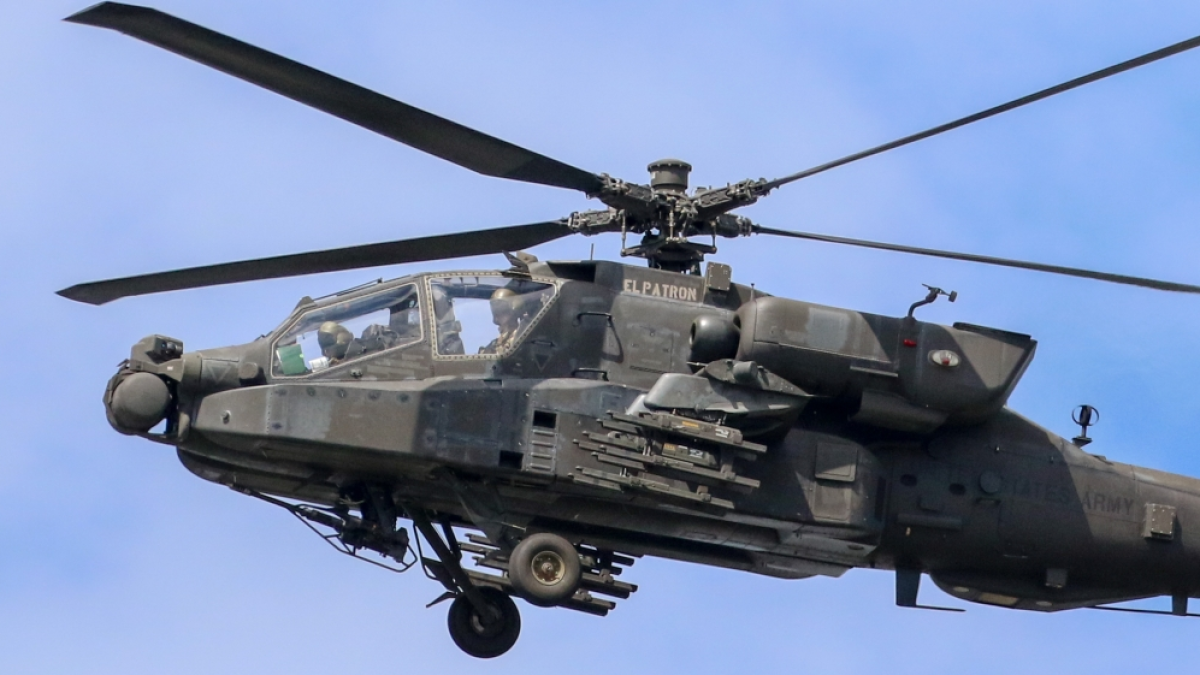
The US Department of Defence is reportedly assessing a significant reduction in its military footprint across Europe, with senior commanders expected to submit specific plans to Defence Secretary Pete Hegseth by 6 November. According to reports from NBC News, the review involves several scenarios, the most moderate of which would see the withdrawal of approximately 22,600 troops, or one-third of the estimated 68,000 US forces currently stationed on the continent.
The potential reduction would largely impact US bases in Germany, Italy, and Spain. A more drastic alternative under consideration involves the exit of 40,000 soldiers along with associated military aircraft, ships, and weapons. Another option being weighed is the redeployment of forces from Central or Western Europe to NATO’s eastern flank, positioning troops closer to Russia.
The review follows a period of deteriorating relations between Washington and European capitals, driven by disputes over the Iran conflict, trade tariffs, and the strategic status of Greenland. The immediate catalyst for the current assessment was the refusal of European allies to grant US forces access to their airbases for strikes on Iran, a decision Hegseth described as "shameful". At a NATO meeting in Brussels in June, Hegseth indicated that changes would be designed to ensure Europe takes "primary responsibility for the defence of Europe".
This potential shift occurs against a backdrop of ongoing withdrawals. Approximately 5,000 US troops are already in the process of leaving Germany, a move announced in May following criticism of the US war on Iran by German Chancellor Friedrich Merz. Additionally, about half of the 2,000 US soldiers stationed in Romania departed last year. These departures have raised concerns among some US lawmakers, including Senators Roger Wicker and Representative Mike Rogers, who warned that the move could send the "wrong signal" to Russian President Vladimir Putin.
Analysts suggest the impact on regional security will depend heavily on the specific locations affected. Ian Lesser of the German Marshall Fund noted that while a mass exit could undermine US nuclear deterrence, shifting troops to the eastern flank might be less concerning given that countries like Germany and France are rapidly boosting their military capabilities. However, experts argue the US would also lose out, as its ability to project power across Europe would be reduced.
The broader context includes NATO members’ agreement to boost defence spending to 3.5 per cent of GDP by 2035, although many are still struggling to meet the current 2 per cent target. The review also highlights shifting US priorities, with the administration recently redeploying its last aircraft carrier from the Pacific to the Middle East, raising questions about deterrence in the Indo-Pacific region.