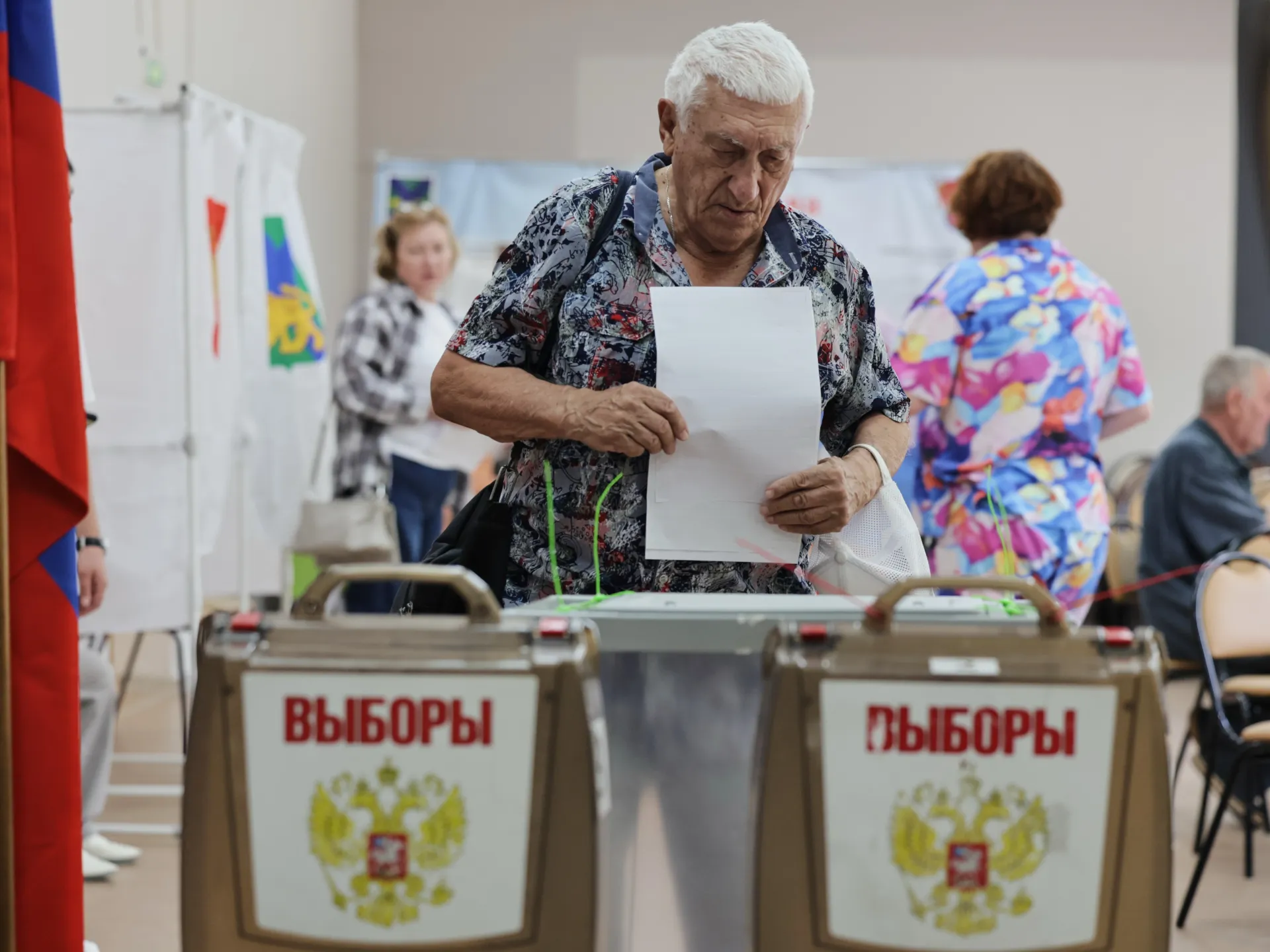
Russia’s parliamentary vote offers limited insight into public sentiment, Chatham House argues
With anti-war opposition excluded, analysts suggest turnout and voting timing are more indicative of the political system than the final results.
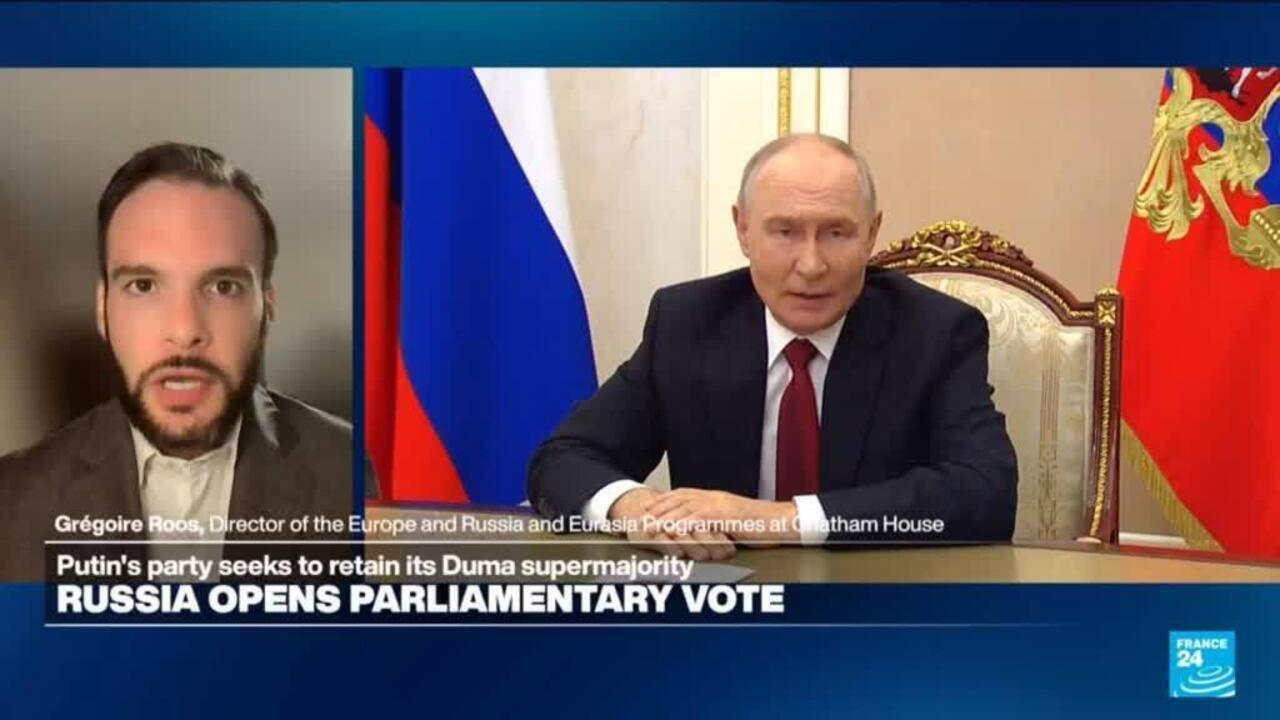
Russia’s recent parliamentary election has been described as a poor indicator of public support for Vladimir Putin or the ongoing war, according to analysis from the London-based think tank Chatham House.
Grégoire Roos, Director of the Europe and Russia and Eurasia Programmes at Chatham House, characterised the vote as an “election without meaningful competition.” He noted that the exclusion of anti-war opposition figures has rendered the electoral process largely symbolic, meaning the final tallies do not accurately measure domestic sentiment.
While the Kremlin has actively framed high participation as evidence of national unity, Roos argues that the structure of the vote reveals more about the political system than the outcome. He suggests that observers should look beyond the results to understand the current state of Russian governance.
Instead of focusing on the performance of the winning parties, Roos points to turnout figures and the timing of the voting as more revealing signals. These procedural elements, he contends, offer a clearer picture of the constraints within which the electorate operates.
The analysis highlights a disconnect between the official narrative of unity and the reality of a limited competitive field. By marginalising dissenting voices, the election process becomes a test of institutional mechanics rather than a genuine referendum on leadership.
Roos emphasises that the performance of the remaining parties, operating in the absence of significant opposition, provides further context on the political landscape. This perspective challenges the interpretation of the results as a direct mandate for the current administration.