Codex Azcatitlan returns to Mexico City on loan as repatriation push intensifies
The 16th-century manuscript, held in France for nearly two centuries, is on display at the National Museum of Anthropology to mark 200 years of diplomatic ties, though Mexico continues to seek its permanent return.
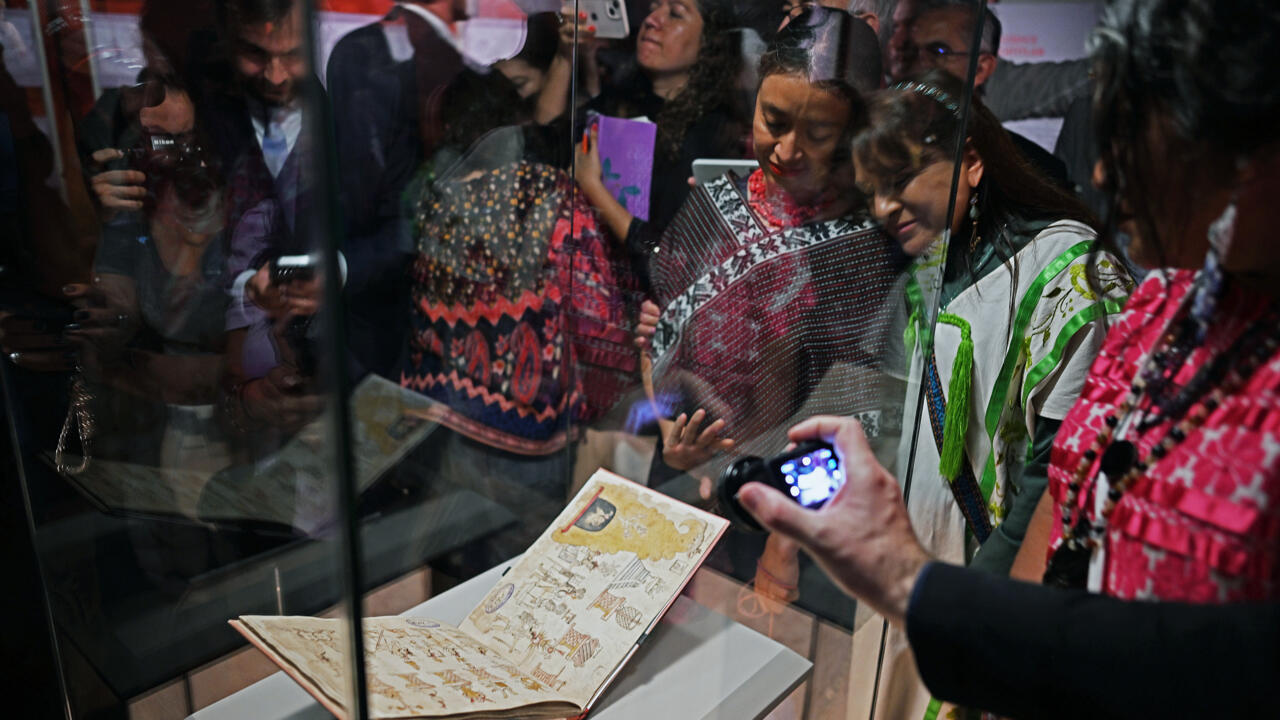
The Codex Azcatitlan, a 16th-century manuscript detailing the history of the Aztec Empire, has been returned to Mexico City on loan from the French National Library. The document, which was taken to France in the 19th century, went on display at the National Museum of Anthropology on Thursday. The temporary exhibition coincides with the 200th anniversary of diplomatic relations between Mexico and France.
The manuscript, which fills 25 sheets of parchment imported from Europe in the 16th century, narrates the migration from Aztlan to Tenochtitlan and the fall of the Aztec Empire during the Spanish conquest. It was originally brought to France by researcher Joseph Marius Alexis Aubin and later donated to the French National Library in 1898 by the widow of collector Eugene Goupil.
While the loan marks a significant cultural milestone, the Mexican government is using the occasion to press for the permanent return of the codex. Foreign Minister Roberto Velasco stated that the exhibition aims to reunite the population with its collective memory, describing the pictograms as the written voice of ancestors and the deep root of national identity.
Mexican President Claudia Sheinbaum previously urged French President Emmanuel Macron to return the Codex Azcatitlan, alongside the Codex Borbonicus, during a visit to Mexico last year. The Codex Borbonicus, which illustrates divinatory and solar calendars, is currently held by the library of the French National Assembly.
The repatriation effort is part of a broader institutional strategy to recover colonial-era cultural objects. According to the National Institute of Anthropology and History, over 16,200 items have been returned to Mexico from various countries since 2018. Both the French National Assembly and the National Library maintain that they are the rightful owners of the respective codices.
The issue of colonial-era relics has historically caused diplomatic friction. In 1982, tensions arose when a Mexican lawyer stole the Codex Tonalamatl from the French National Library and brought it back to Mexico. France described the incident as theft, while Mexico celebrated the recovery of the manuscript.