Russia leaves UK ambassadorial post vacant as diplomatic ties strain
Moscow has confirmed the departure of Andrey Kelin, leaving the UK embassy without a senior ambassador amid escalating disputes over British drone supplies to Kyiv.
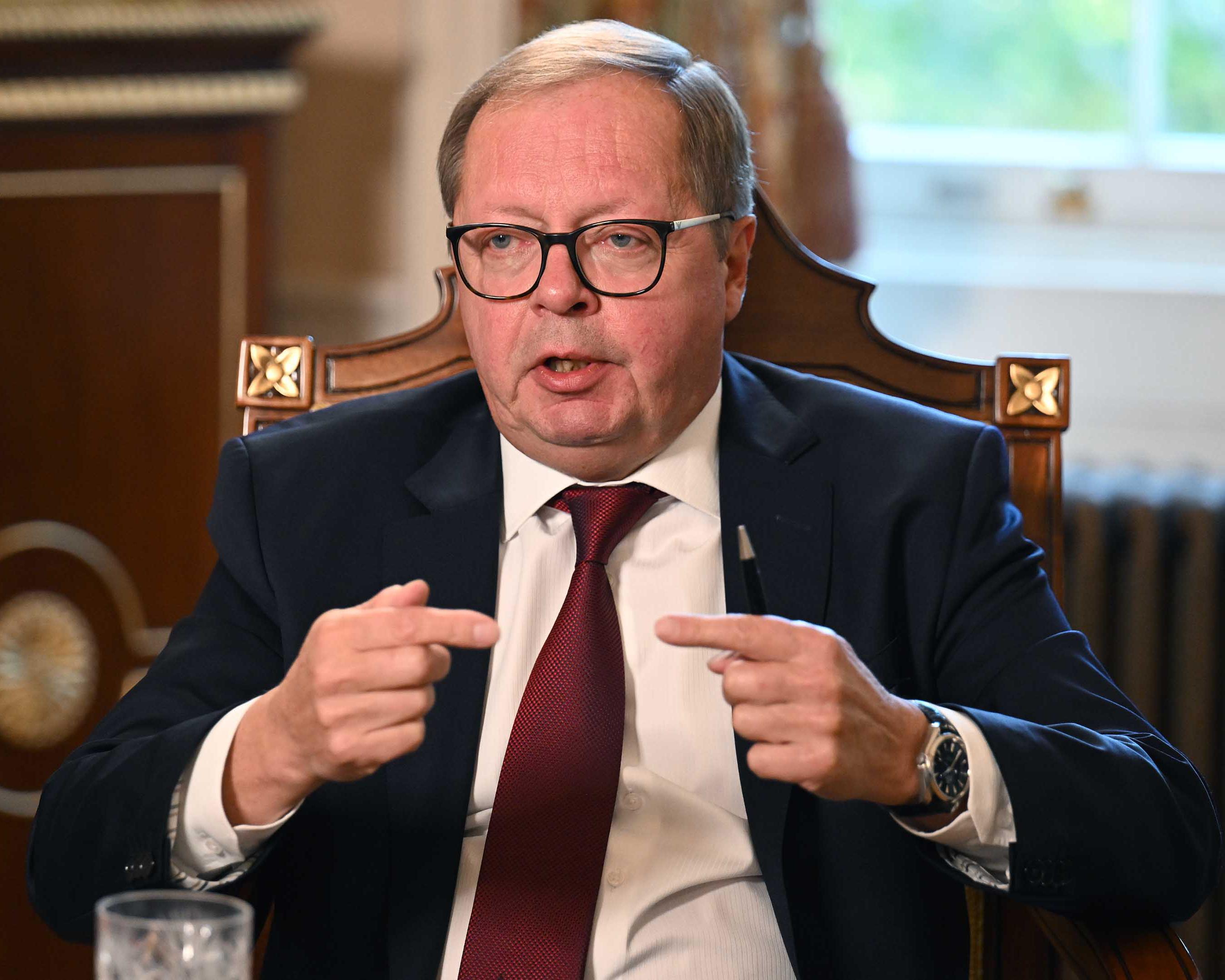
Russia has effectively withdrawn its ambassador to the United Kingdom, leaving the diplomatic post vacant as tensions between Moscow and London continue to escalate. Andrey Kelin, who served in the role for seven years, departed last month, and his name has since been removed from the Russian embassy’s official diplomatic list. The departure leaves Vasily A Tsyganov, the chargé d’affaires, as the sole senior diplomatic staff member listed at the embassy.
The move follows a sharp increase in rhetoric from the Kremlin regarding Britain’s support for Ukraine. Last week, the Russian embassy issued a warning of “consequences” after Ministry of Defence sources confirmed that two drones manufactured by British companies were used by Ukrainian forces to strike targets inside Russia. The embassy stated on Telegram that London’s actions would inevitably carry consequences for which it would have to answer, signalling a hardening of the bilateral stance.
A spokesman for the Russian embassy told the Sunday Times that Kelin had made efforts to preserve channels of communication but accused the British government of choosing a “path of confrontation.” The spokesman stated that Kelin left in the hope that a more constructive and respectful dialogue could be restored should the UK reconsider its policies towards Russia. Notably, the Kremlin has not yet nominated a replacement candidate for the ambassadorial role.
John Foreman, a former British defence attache in Moscow and Kyiv, noted that gaps between ambassadors are not unprecedented. However, he observed that the significant deterioration in relations since 2018, and particularly since the start of the war, raises the possibility that Moscow may permanently downgrade the relationship by default. Foreman suggested that by not replacing Kelin, Russia might be allowing the diplomatic tier to lapse without formal announcement.
Shaun Pinner, a former British soldier held by Russian forces, offered a more critical assessment of the diplomatic presence. He argued that if Moscow rebuffs meaningful engagement and uses its diplomatic staff primarily to repeat Kremlin narratives, the relationship is not functioning in reality. Pinner suggested that Kelin’s exit represents a “dangerous erosion” of communication, although he maintained that effective dialogue had been absent for some time.
Kelin, who joined the Soviet diplomatic service in 1979, has frequently repeated Kremlin positions in British media. In a June interview with Sky News, he stated that Russia “cannot lose” the war in Ukraine. With the ambassadorial post currently empty, the UK government faces a diplomatic landscape where direct high-level communication channels are significantly reduced.