Onshore wind applications hit decade high as England’s planning system accelerates
A Guardian analysis of government data reveals that onshore windfarm proposals in England have surged following the Labour government’s removal of a de facto ban, with monthly capacity entering the planning system more than tripling.
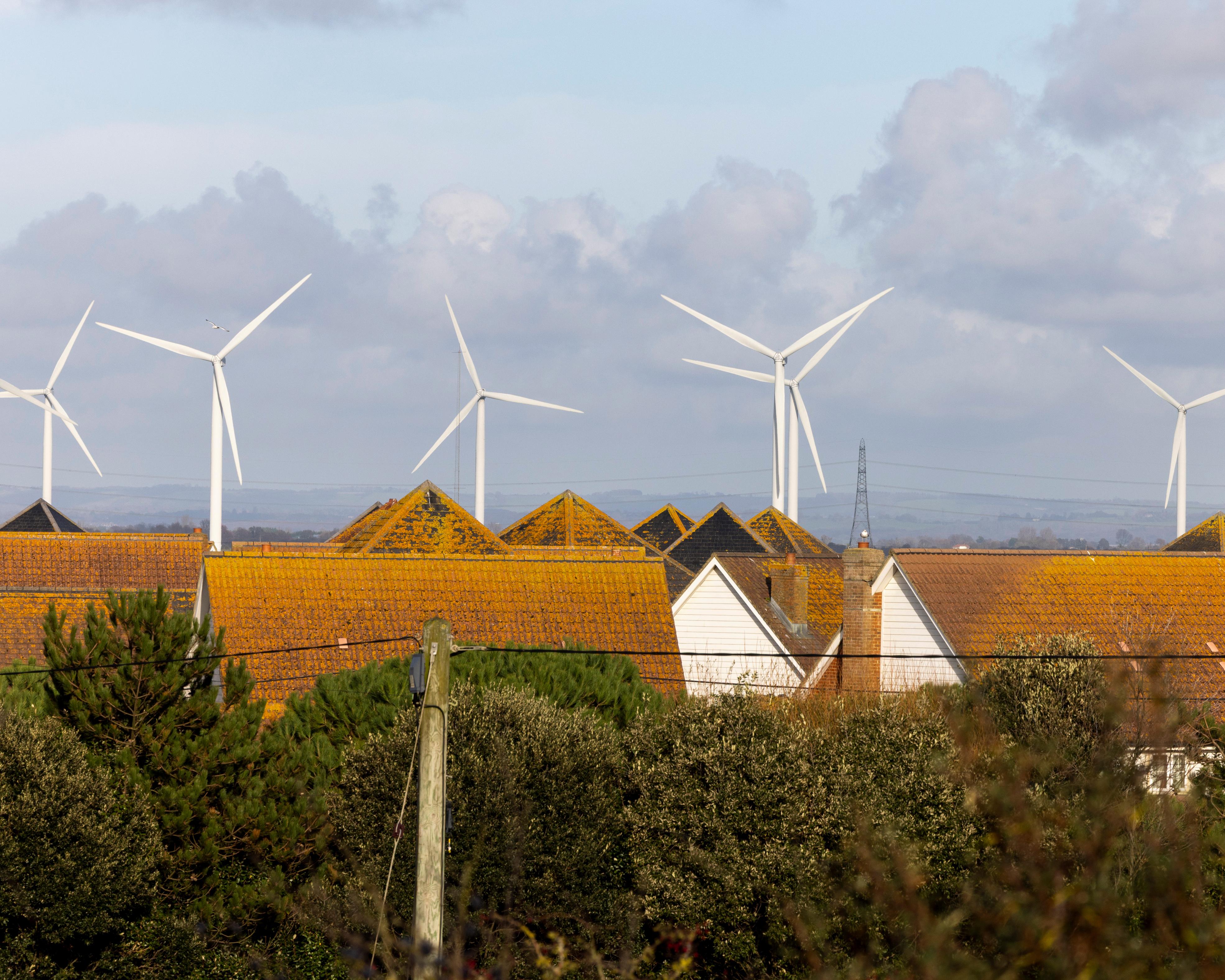
Applications for new onshore windfarms in England have reached their highest annual level in a decade, signalling a significant shift in the country’s renewable energy planning. According to a Guardian analysis of government data, approximately 45 plans were submitted in the year to March, a marked increase from the stagnation seen under previous administrations.
The surge follows the Labour government’s decision to lift the de facto ban on onshore wind, a regulatory barrier introduced by the Conservative government in 2015. The data indicates that the monthly rate of onshore wind capacity entering the planning system has more than tripled since the ban was dropped. The 12-month rolling average rose from 9MW per month before the change in government to 36MW per month by the beginning of this year.
This acceleration is particularly stark when compared with the nadir of onshore wind development in the months preceding September 2023, when Conservative ministers first began to loosen regulatory red tape. At that time, applications averaged only about 1MW a month. The Guardian previously noted that Ukraine was completing more onshore windfarms than England during that period, despite the ongoing occupation by Russian forces.
The Imerys project near St Austell, Cornwall, has become the largest onshore windfarm in England to secure a government subsidy since the ban was lifted. With a capacity of 20MW, the project highlights a broader trend towards smaller-scale developments in England. Since the ban was lifted, the average onshore windfarm proposed in England has just two turbines, delivering 8MW of renewable power capacity. In contrast, the average onshore windfarm proposed in Scotland over the same period had nine turbines and 59MW of capacity.
Total onshore wind proposals in England have climbed to 438MW since the ban was lifted. This figure trails behind Wales, which recorded 490MW in applications, and Scotland, which saw 5,280MW proposed over the same period. Only one windfarm with a capacity above 100MW has been proposed in England since the regulatory change, compared with 18 such projects in Scotland.
Tara Singh, CEO of RenewableUK, stated that onshore wind generates power at around half the cost of new gas-fired generation. She added that community benefit funds worth £5,000 a year for every megawatt of capacity installed are helping local people, while noting that the UK’s onshore wind supply chain could add up to £56bn to the economy by 2050.