Russia expands military infrastructure along Finnish and Norwegian borders
Independent outlet Meduza reports new barracks construction, while Kremlin considers state-run VPN to bypass its own censorship
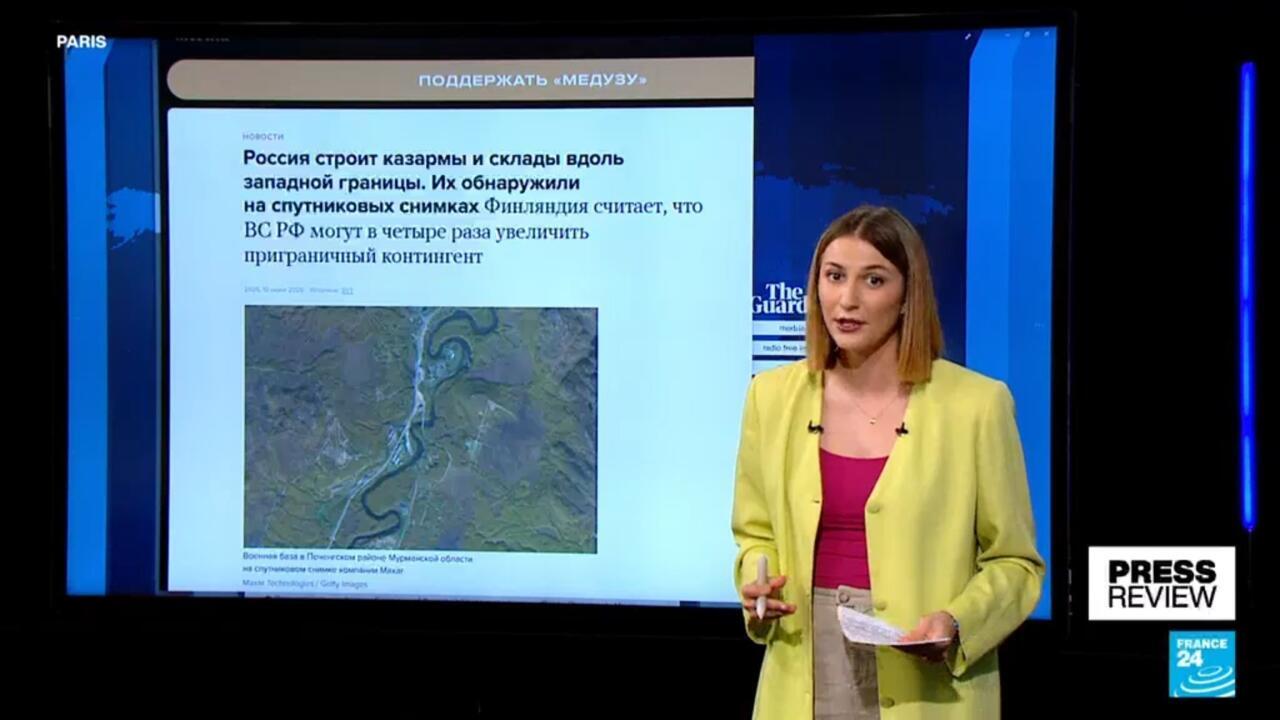
Russia is constructing new military infrastructure along its western border, with developments concentrated in areas adjacent to Finland and Norway, according to reports from the independent outlet Meduza. The expansion includes the building of new barracks designed to accommodate up to 17,000 troops, a move that facilitates a significant increase in recruitment capabilities.
A former Finnish intelligence officer highlighted the scale of the construction, noting the capacity for the new facilities. Meanwhile, a Finnish Army commander estimated that Russia could eventually deploy approximately 80,000 soldiers along the Finnish border. This figure represents a substantial increase from the previous baseline of around 20,000 troops stationed in the region.
The reporting by Meduza provides details that are difficult to verify through Russia’s state-controlled media. The outlet’s coverage underscores the opacity surrounding Moscow’s military preparations, as independent journalists continue to track developments that official channels do not disclose.
In a related development concerning domestic information control, Radio Free Europe reports that the Kremlin is considering the creation of a state-run Virtual Private Network (VPN). This proposal follows years of tightened internet censorship since the full-scale invasion of Ukraine, which has led to widespread use of private VPNs by citizens to access blocked content and conceal online activity.
The suggestion of a government-operated VPN has met with scepticism from exiled journalists. Dmitry Kolezev, quoted by Radio Free Europe on Telegram, described the idea as a joke, noting the contradiction of the state first blocking access and then creating a tool to bypass its own restrictions. He suggested the proposal might primarily serve as a lucrative business venture for the state rather than a genuine solution for citizens.