Russia designates Cannes-winning director Andrey Zvyagintsev a ‘foreign agent’
The Ministry of Justice has applied bureaucratic restrictions to the filmmaker following his criticism of Moscow’s war in Ukraine.
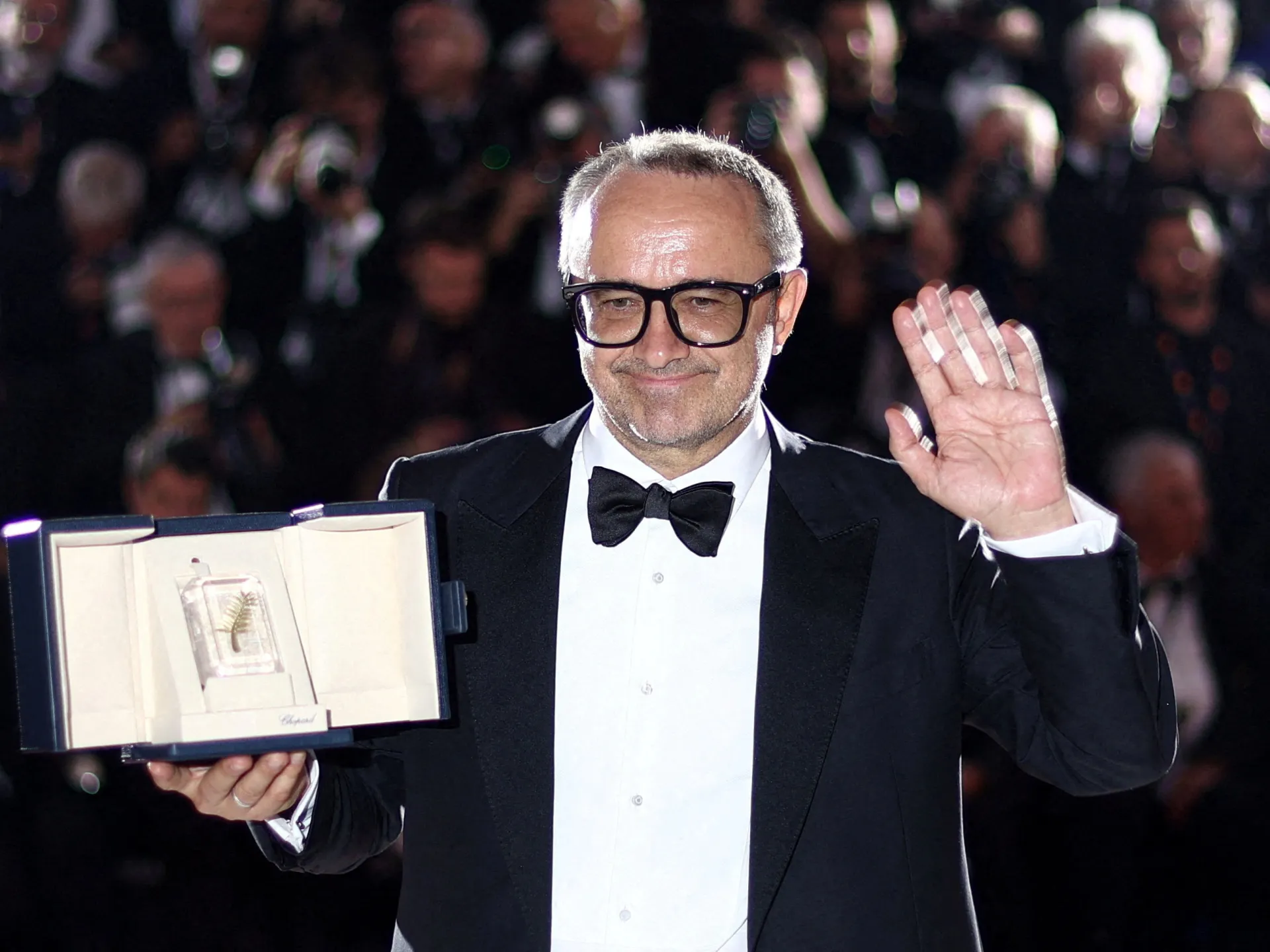
Russian authorities have designated acclaimed film director Andrey Zvyagintsev as a “foreign agent,” a move that subjects the 62-year-old to significant bureaucratic restrictions. The designation was confirmed on Friday by state news agency TASS, following an accusation by the Ministry of Justice that Zvyagintsev disseminated “false information” regarding the decisions and policies of Russian public authorities.
The Ministry stated that Zvyagintsev has interacted with foreign agents and currently resides outside the Russian Federation. He has lived abroad since the start of the COVID-19 pandemic. The label adds connotations of espionage to public figures deemed to be engaging in anti-Russian activity with support from abroad.
Zvyagintsev’s designation follows his victory at the 2026 Cannes Film Festival, where he won the Grand Prix for his film Minotaur. The movie depicts a Russian businessman forced to decide which of his employees should be mobilised to fight in Ukraine. In his acceptance speech, the director explicitly named Russian President Vladimir Putin as the only person capable of ending the conflict, stating that millions on both sides of the front line dream of the massacres stopping.
The “foreign agent” label carries specific institutional consequences. Individuals listed under the designation are barred from holding public office and are forced to register their activities with the authorities. They are also subjected to onerous bureaucratic requirements, including restrictions on their income in Russia.
Furthermore, the designation requires Zvyagintsev to label all his publications, including social media content, with a warning that the material was produced by a foreign agent. This adds a layer of administrative burden to his professional output.
The move places Zvyagintsev in the company of other high-profile figures previously labelled by Moscow, including writer Boris Akunin and rock musician Boris Grebenshchikov. The designation underscores the Kremlin’s use of legal frameworks to manage dissent among cultural figures.
The broader context of the conflict remains opaque, with Moscow keeping casualty numbers heavily restricted. Estimates of Russian soldiers killed in the four-year war in Ukraine range from 200,000 to half a million, a discrepancy that highlights the information gap Zvyagintsev’s criticism addresses.