Russia deploys hypersonic Oreshnik missile in large-scale strike on Ukraine
At least four people have died and dozens injured as Russian forces launch a coordinated offensive involving hundreds of drones and ballistic missiles, prompting urgent diplomatic responses from the European Union.
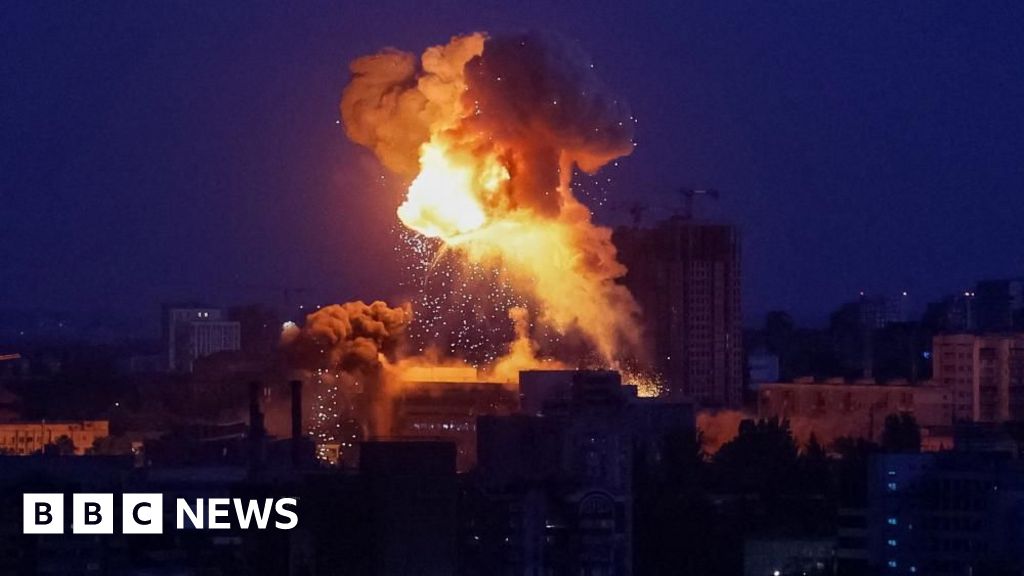
Russian forces have launched a large-scale offensive against Ukraine, utilising hypersonic Oreshnik ballistic missiles alongside a significant swarm of drones and conventional projectiles. The attack, which began in the early hours of Sunday, 24 May 2026, resulted in at least four fatalities and over 60 injuries, with significant damage reported to residential buildings, schools, and critical infrastructure in Kyiv and surrounding regions.
The Russian Ministry of Defence confirmed the deployment of the Oreshnik missile, a weapon capable of travelling at more than ten times the speed of sound. This marks the third known use of the system in the conflict. Moscow described the strikes as a response to alleged Ukrainian attacks on civilian infrastructure, specifically referencing a Friday incident in Starobilsk that Russia claims killed 21 people. Ukrainian officials confirmed an operation near Starobilsk but maintained it targeted an elite Russian military unit rather than a student dormitory.
Ukrainian President Volodymyr Zelensky identified Kyiv as the primary target, with explosions heard across the capital overnight. The presidential office reported that an Oreshnik missile was fired at Bila Tserkva in the Kyiv region, though it later stated it was not confirming this detail while investigations continued. Ukrainian air defence systems intercepted or shot down 55 missiles and 549 drones from a detected wave of 90 missiles and 600 drones, according to early data from the Ukrainian air force.
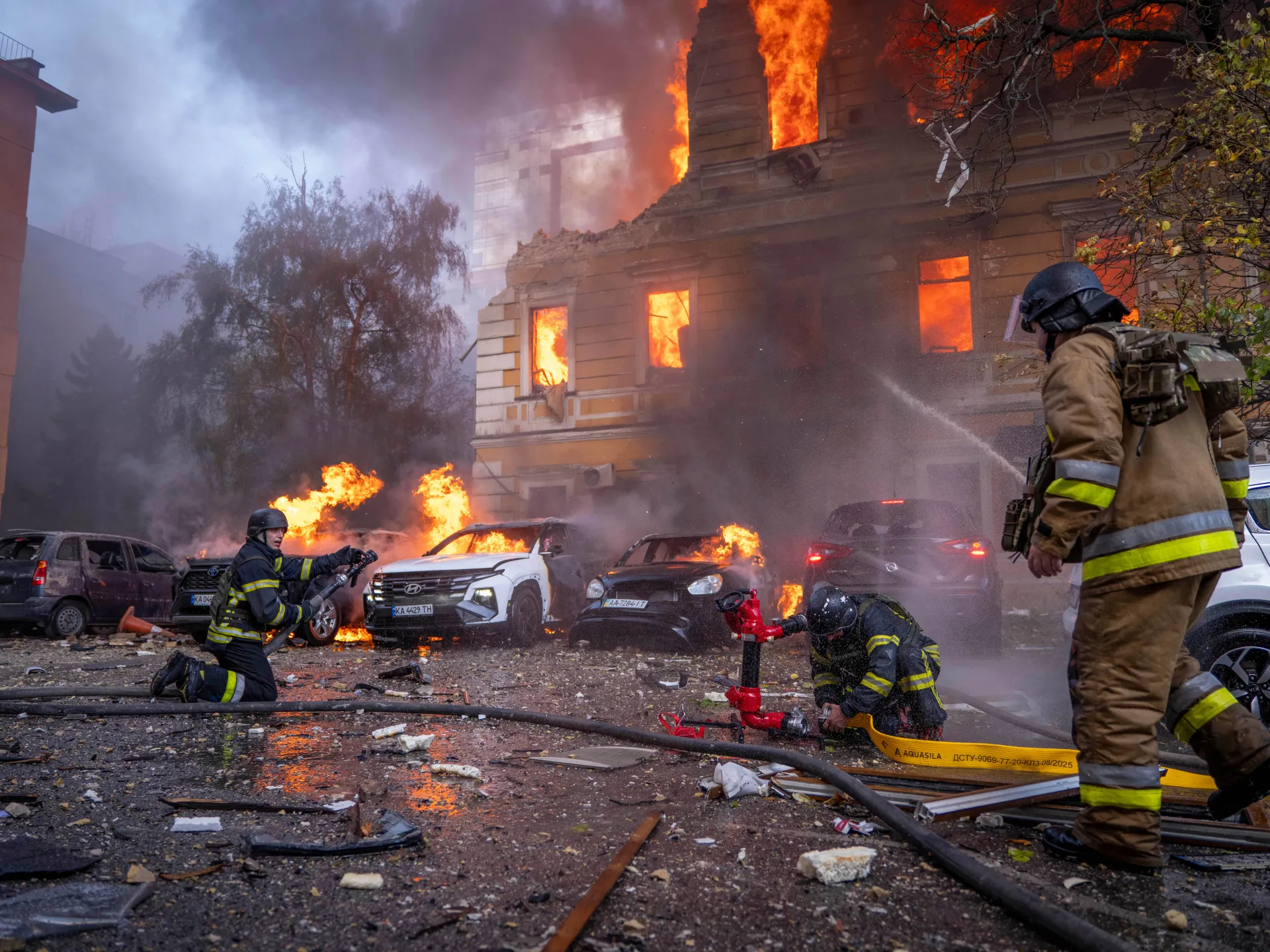
The strikes caused widespread disruption and damage within the capital. Mayor Vitali Klitschko reported two deaths in the city itself, including one person killed after a nine-storey residential building in the Shevchenko district was hit. Emergency services treated dozens of injured, including two children, while debris from a strike near a school air raid shelter trapped several people inside. Additionally, the Chernobyl Museum in Kyiv was reported to have been effectively destroyed, and a water-supply facility was struck.
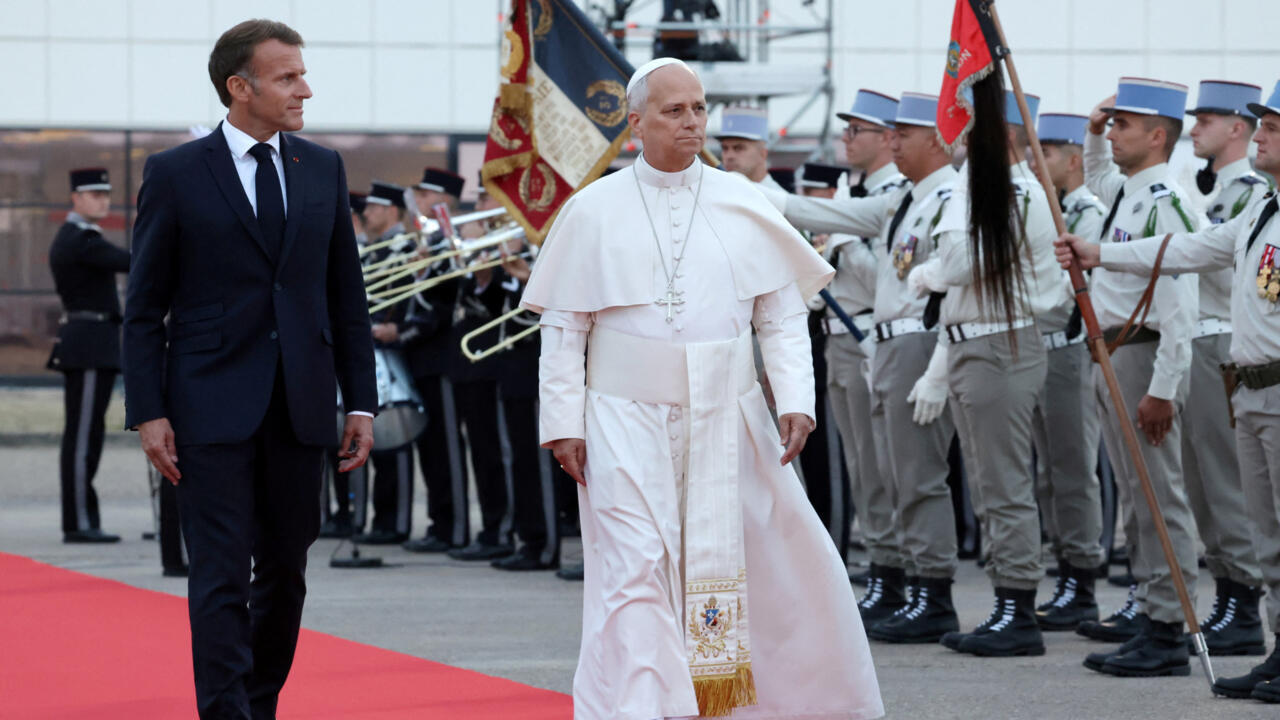
International leaders reacted swiftly to the escalation. French President Emmanuel Macron and German Chancellor Friedrich Merz condemned the use of the weapon. EU foreign policy chief Kaja Kallas described the action as a political scare-tactic and reckless nuclear brinkmanship, noting that the missile is capable of carrying both conventional and nuclear warheads. Kallas announced that EU foreign ministers would discuss increasing international pressure on Russia during their meeting next week.