Russia and Iran explore economic lifeline amid Hormuz blockade
Analysts warn that logistical hurdles and Russia's own economic stagnation limit the viability of replacing Gulf shipping lanes with land corridors.
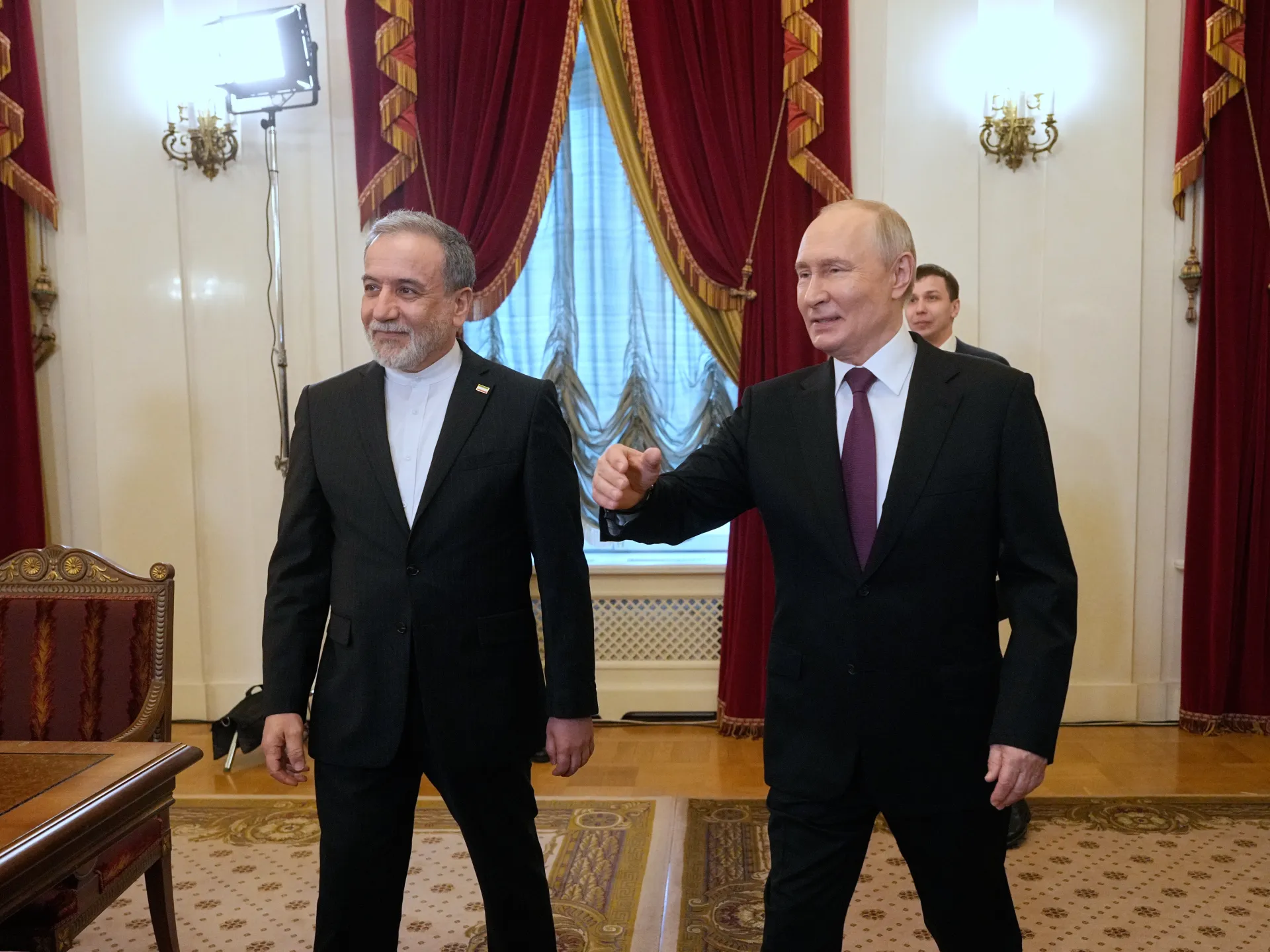
Attention has shifted north as Tehran evaluates alternative trade networks linking it to Moscow via railways, Caspian ports, and sanctions-era channels. This strategic pivot follows disruptions to Gulf shipping lanes and constrained oil exports caused by a prolonged blockade of the Strait of Hormuz. The importance of this relationship was underscored this week when Iranian Foreign Minister Abbas Araghchi travelled to St Petersburg for talks with President Vladimir Putin.
During the meeting, the two leaders discussed the war, sanctions, and the future of the Strait of Hormuz, with Araghchi praising Moscow's "firm and unshaken" support. While bilateral trade turnover reached $4.8bn in 2024, representing a 16% increase driven largely by Russian exports of grain, metals, and machinery, experts note that the overall relationship remains modest compared with Iran's trade with China or Gulf countries.
The backbone of this trade is the International North-South Transport Corridor (INSTC), a network linking Russia to Iran and onward to Asia. Goods move from southern Russian ports across the Caspian Sea to northern Iranian ports, including Bandar Anzali, before continuing by rail or truck. Russian ports in Astrakhan and Makhachkala are already primed for a surge in exports, though a key missing rail link between Rasht and Astara in northern Iran remains unfinished despite Moscow agreeing in 2023 to help finance the line.
Analysts caution that while these routes may provide a temporary solution, land corridors cannot easily replicate the scale and efficiency of maritime trade, which accounts for roughly 90% of Iran's international commerce. Re-routing trade via land takes time, pushes up consumer prices, and creates food waste as perishables rot en route. Adam Grimshaw, an economic historian at the University of Helsinki, noted that from a historical perspective, maritime transport remains the quickest and most cost-effective way of moving goods.
Furthermore, questions remain regarding Russia's capacity and willingness to invest in such a lifeline. John Lough of the New Eurasian Strategies Centre indicated that now is not a good time for Russia to invest in Iran due to domestic economic stagnation, pressure on reserves, and frustration over the prolonged war in Ukraine. Mahdi Ghodsi, an economist at the Vienna Institute for International Economic Studies, added that the trade relationship is not substantial because both nations produce similar products and operate in similar industries.
Ultimately, while Moscow could offer symbolic support or limited humanitarian assistance, replacing maritime trade with overland routes would be extremely difficult. Experts suggest that propping up Iran through these alternative channels locks in higher global oil prices and keeps a key anti-Western ally alive, offering no downside for Moscow in a fragmented Gulf.