Runlayer and Rippling end legal battle as payroll giant enters AI gateway market
The two firms dropped their mutual lawsuits without a financial settlement, with Rippling immediately launching a competing product to join rivals such as Stripe and Databricks.
Runlayer and Rippling have mutually dropped their respective lawsuits against one another, ending a legal dispute that began after Rippling tested Runlayer’s technology for over a year without becoming a customer. According to court documents, no settlement was reached and no money changed hands between the parties, including legal fees. The dismissal occurred on Wednesday night, marking the end of a short-lived but public legal battle.
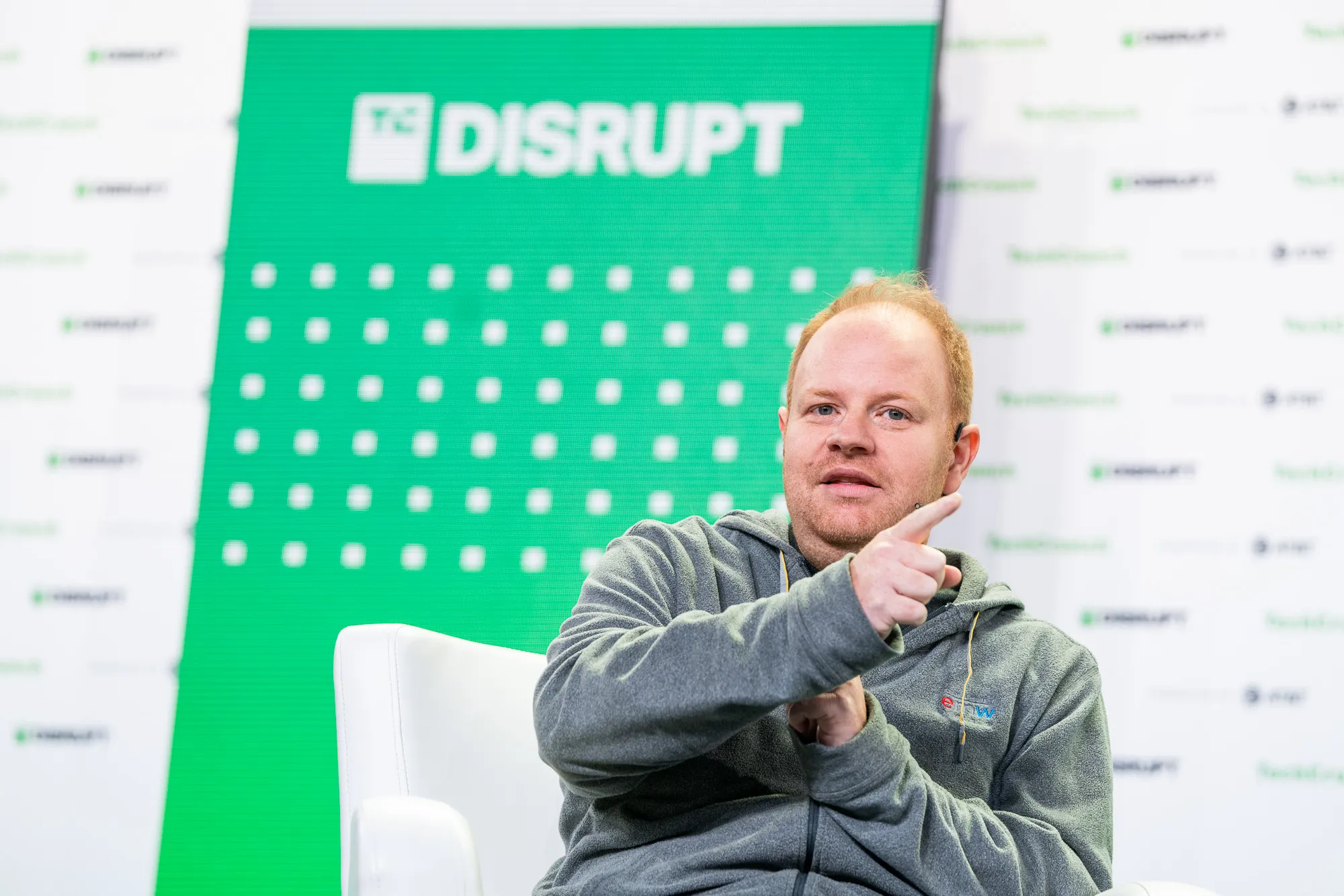
The conflict originated when Runlayer, an early-stage startup that launched out of stealth in November 2025, alleged that Rippling breached contractual agreements covering product tests. Runlayer is led by third-time founder Andrew Berman, who previously founded Nanit and Vowel. The company has raised $42 million from investors including Khosla Ventures and Felicis. Runlayer’s lawsuit claimed that Rippling’s engineering teams worked closely together for more than a year before Rippling decided to build its own product.
Rippling countersued, alleging that Runlayer was violating some of its patents. Runlayer viewed this move as an attempt to induce it to drop its suit while increasing legal expenses. After spending the last three weeks in discovery, Runlayer dropped its suit, and Rippling subsequently dropped its own. The lack of a financial settlement suggests a strategic withdrawal rather than a negotiated resolution, leaving both companies to compete in the open market.
Immediately following the dismissal of the lawsuits, Rippling released its own MCP gateway product. An MCP gateway securely handles an enterprise’s AI agent requests for data from other software systems, layering on features such as role-based access control and observability. By releasing this tool, Rippling is entering the AI gateway market, a space that includes competitors such as Stripe, Ramp, and Databricks.
Rippling’s new product routes to different models while dashboarding token spend by employee. This move marks a significant expansion for the company, which has historically focused on payroll and benefits management. The entry positions Rippling to compete with established firms in the AI security and gateway sectors, including Docker and Amazon Bedrock.
Runlayer’s pitch remains a broader bundle of agent security services tied to the gateway, ranging from agent creation to spotting shadow AI agents running in an enterprise unbeknownst to IT. The rapid shift in the AI landscape highlights how quickly a prospective customer can become a direct competitor, a dynamic that is reshaping the competitive environment for startups in the sector.