Rubio warns Iran Hormuz toll sets dangerous precedent
Marco Rubio cautions against Iranian toll in Strait of Hormuz amid escalating US strikes in northwestern provinces
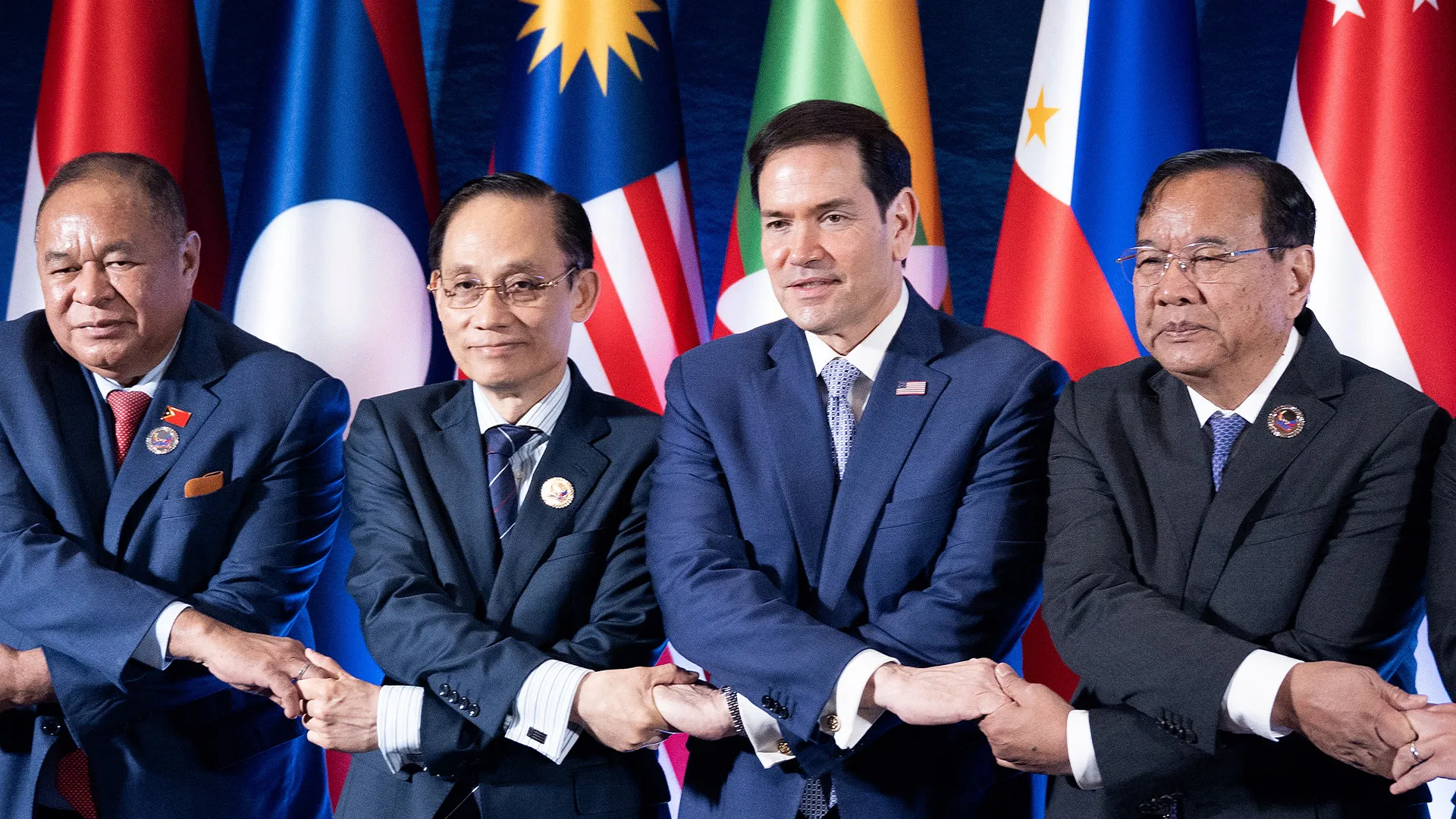
US Senator Marco Rubio has warned that Iran imposing a toll in the Strait of Hormuz would establish a dangerous precedent, adding a diplomatic dimension to an intensifying military conflict. The statement comes as the United States military commences its 11th consecutive night of strikes against Iran, marking a significant escalation in hostilities.
The US military campaign has expanded geographically, with operations now extending into northwestern provinces. This phase of the conflict resumed on 7 July following the collapse of a ceasefire memorandum that had halted active hostilities since 17 June. The ongoing operations have incurred a disclosed cost of $37.5bn, according to reports.
US Central Command confirmed that the latest phase of the military campaign began at 2300 GMT on Tuesday. The command’s timeline underscores the sustained nature of the offensive, which has continued without interruption since the resumption of strikes earlier in the month.
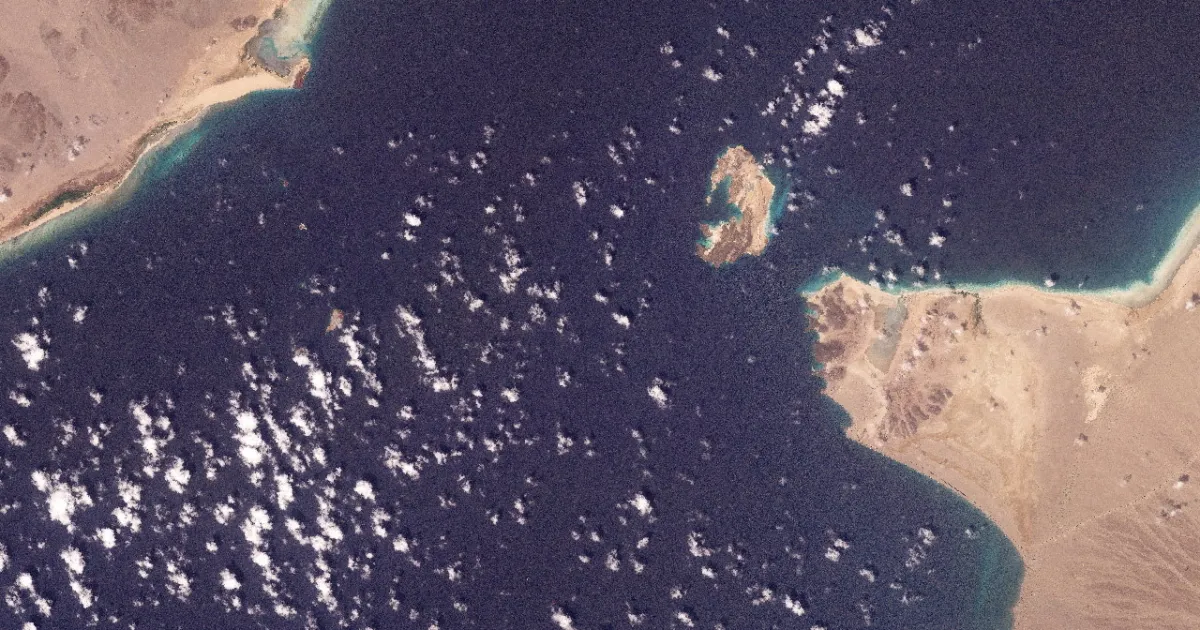
Rubio’s comments regarding the Strait of Hormuz highlight concerns over the potential for Iran to impose financial or logistical barriers to navigation in the critical waterway. While the specific nature of the proposed toll was not detailed in the initial reporting, the Senator characterised such an action as setting a hazardous precedent for international maritime governance.
The geopolitical tension coincides with the deepening military engagement. As US forces maintain pressure across multiple provinces, Rubio’s warning signals a shift in rhetoric towards the economic and strategic consequences of Iranian actions in the region. The combination of ground operations and high-level political statements suggests a coordinated approach to the escalating crisis.
The conflict’s trajectory remains fluid, with the ceasefire framework effectively abandoned in early July. The current military posture, supported by Central Command’s operational updates, indicates a sustained commitment to the campaign, even as political figures like Rubio articulate the broader strategic risks involved.