Rubio tells Senate Iran’s Supreme Leader is engaging in nuclear talks via intermediaries
Marco Rubio testifies that Mojtaba Khamenei is increasingly involved in negotiations following an April truce, as Tehran reviews a tightened US proposal amid ongoing Israeli strikes in Lebanon.
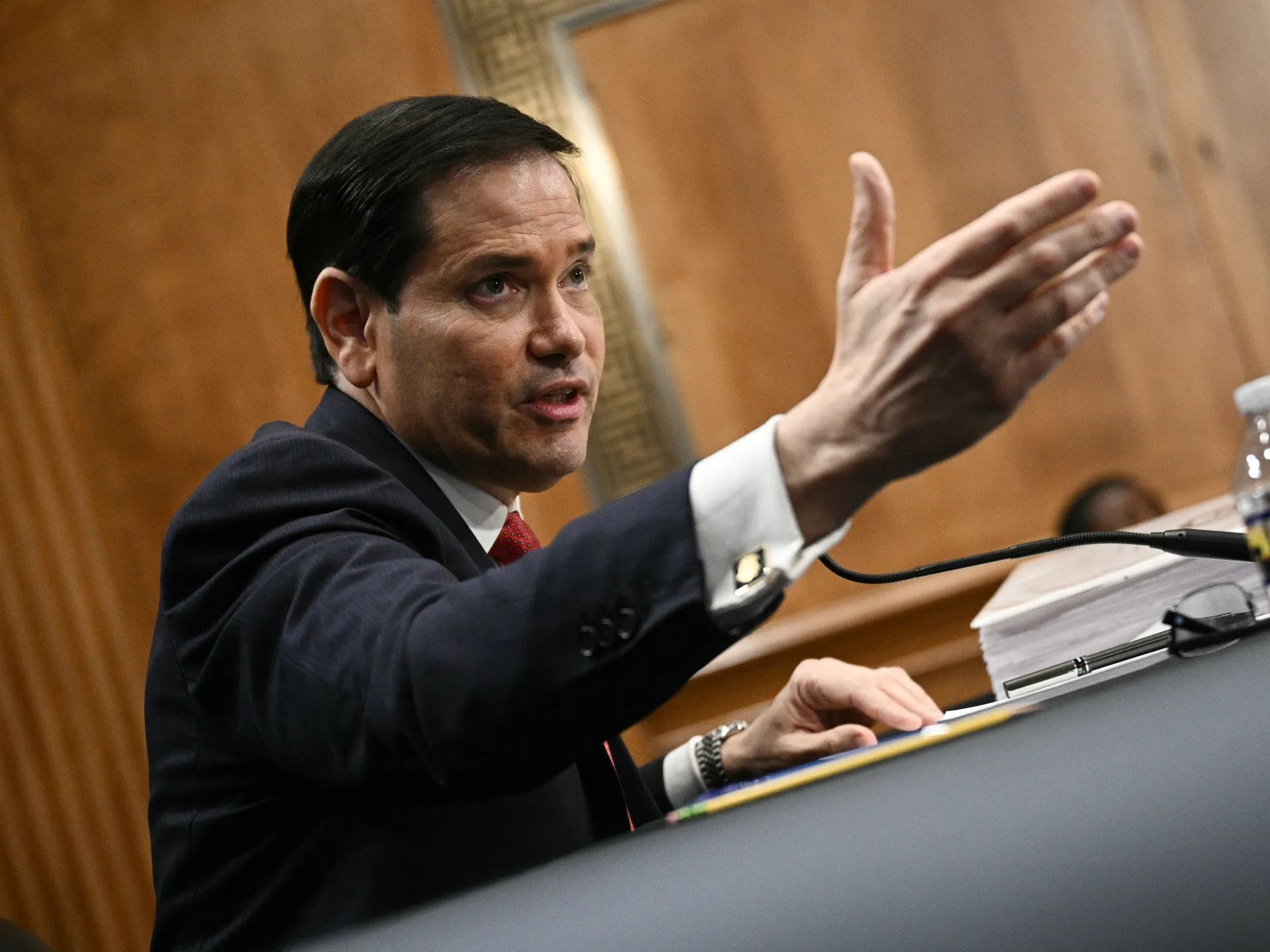
US Secretary of State Marco Rubio testified before the Senate Foreign Relations Committee on Tuesday, revealing that Iran’s Supreme Leader, Mojtaba Khamenei, is taking a more active role in diplomatic negotiations following the April 8 truce. Rubio indicated that while Khamenei has not appeared publicly since US air strikes killed his father and predecessor on the first day of the conflict, there are indications he is increasingly engaging through written communications and intermediaries.
The testimony comes as Tehran reviews a revised US proposal aimed at ending the war that began on 28 February. US President Donald Trump reportedly tightened the terms of the offer in recent days, with Rubio stating that the United States is now prepared to discuss previously off-limits aspects of Iran’s nuclear programme, including its stock of highly enriched uranium. However, the Secretary cautioned that this willingness to negotiate does not guarantee a deal acceptable to Washington.
Iranian officials have adopted a stern posture, citing perceived US non-compliance with the ceasefire and general mistrust. According to Iran’s semi-official Mehr news agency, a source close to the negotiating team stated that Tehran is still studying the latest proposal and has not communicated with US counterparts in several days. This hesitation persists despite Trump’s social media claims that talks are progressing at a rapid pace.
Rubio clarified the United States’ position on incentives, emphasising that sanctions relief would not be offered merely in exchange for reopening the Strait of Hormuz. The Secretary stated that the reopening of the vital waterway and negotiations on nuclear stockpiles are prerequisites, but significant concessions on the nuclear programme must precede any lifting of sanctions. He noted that the prospect of an agreement could materialise at any time, though he offered no specific timeline.
The diplomatic efforts are complicated by the ongoing US-Israel war, which has killed thousands and disrupted global energy supplies. Rubio highlighted that continuing Israeli strikes in Lebanon remain a major point of contention for Iranian negotiators. Iran’s parliament speaker and chief negotiator, Mohammad Bagher Ghalibaf, warned that if Israeli aggression continues, Tehran will halt negotiations and enter into direct confrontation, insisting that a full ceasefire in Lebanon is essential for any agreement with Washington.