Rubio seeks GCC backing for Iran peace deal as regional tensions escalate
Tehran insists on final US agreement before allowing IAEA inspectors back, while Israeli forces refuse to withdraw from southern Lebanon despite American diplomatic pressure.
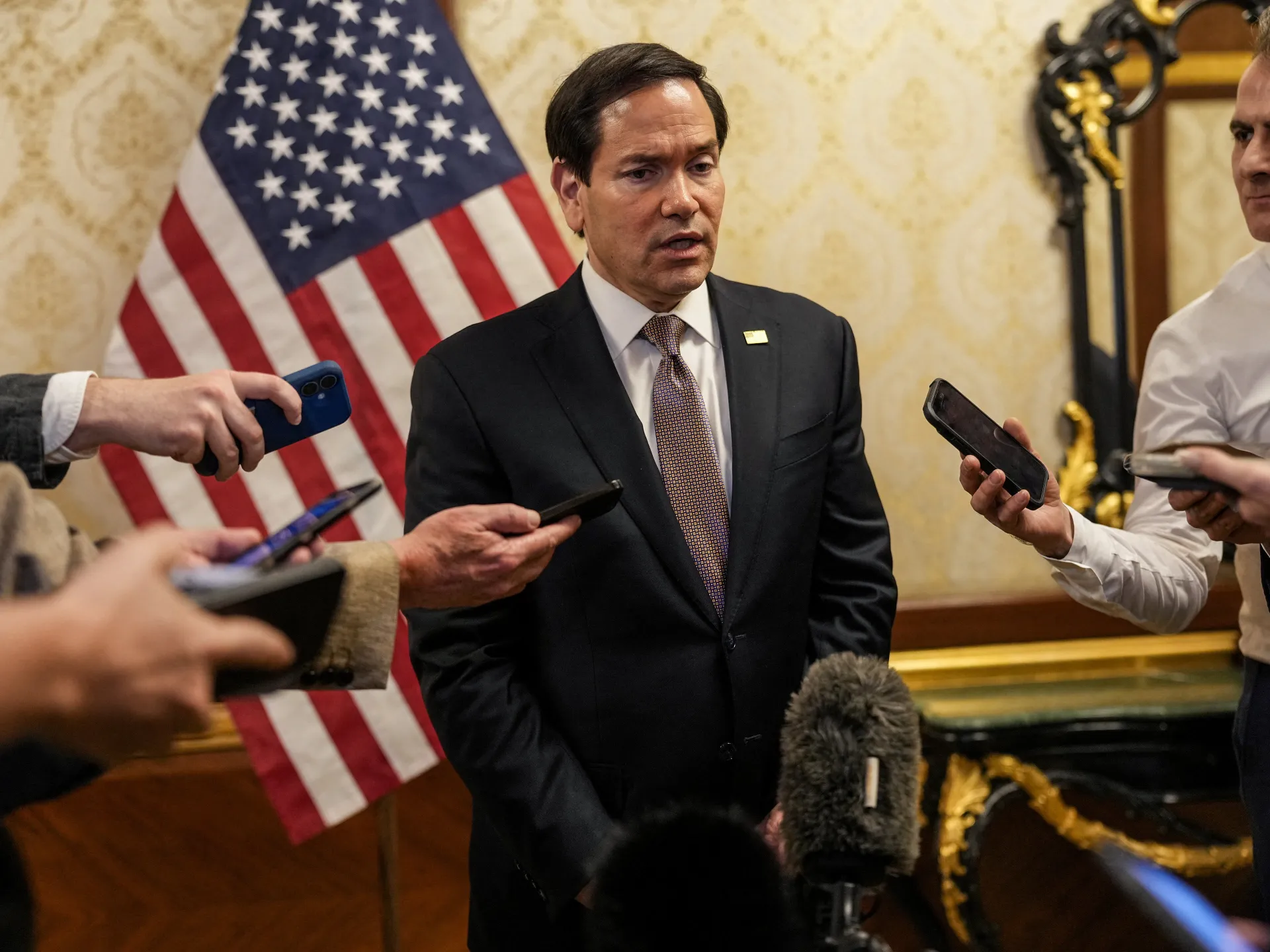
US Secretary of State Marco Rubio has arrived in Bahrain for a Gulf Cooperation Council meeting, where he is expected to reassure regional allies of Washington’s commitment to their security and economic interests. The diplomatic push comes as the United States seeks to negotiate a peace deal with Iran, a process currently complicated by significant disagreements over nuclear oversight and maritime security protocols.
Tensions regarding Iran’s nuclear programme remain a central point of contention. The head of the International Atomic Energy Agency has stated that inspectors are prepared to return to Iran’s nuclear sites. However, Tehran has insisted that inspections will only resume once a final agreement with the United States has been reached, highlighting the persistent diplomatic impasse between the two nations.
Compounding the security concerns, Iran’s Islamic Revolutionary Guard Corps has rejected a proposed alternative route in the Strait of Hormuz. The rejection underscores the fragility of maritime security arrangements in the region, as the US attempts to stabilise its position while pursuing broader diplomatic objectives with Tehran.
Beyond the Gulf, violence has continued in Lebanon despite ongoing ceasefire diplomacy. Two people were killed in an Israeli strike on the southern city of Nabatieh. The incident has intensified scrutiny on the military presence in the region, with Israeli Defence Minister Israel Katz stating that forces would remain in southern Lebanon even if the US called for a withdrawal.
The divergence between US diplomatic efforts and Israeli military actions presents a complex challenge for Washington. While Rubio’s visit to Bahrain aims to solidify alliances and advance a peace framework, the continued Israeli military presence and Iran’s refusal to engage on nuclear terms without a prior deal suggest that the path to regional stability remains uncertain.