Rubio Rejects Iranian Transit Fees as Hormuz Negotiations Enter Critical Phase
Diplomatic talks mediated by Pakistan and Qatar in Switzerland face significant friction over the future governance of the Strait of Hormuz, with shipping traffic still well below prewar levels due to mine concerns.
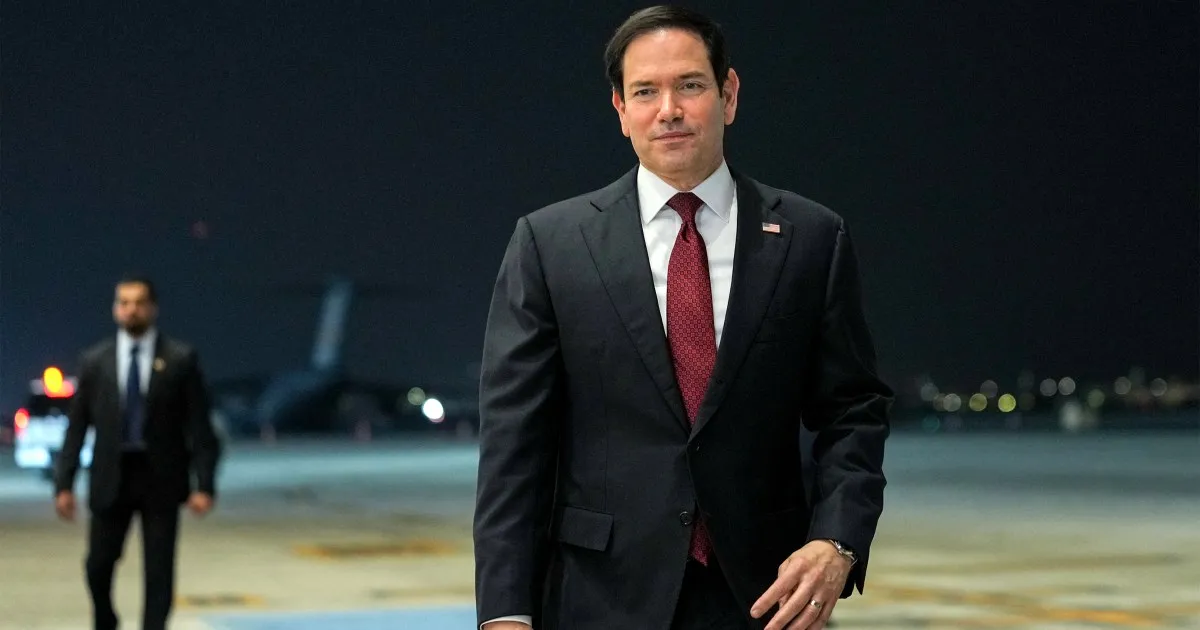
US Secretary of State Marco Rubio has firmly rejected any proposal for Iran to levy tolls or fees on vessels transiting the Strait of Hormuz, declaring the waterway an international passage that no single nation is permitted to monetise. Speaking during a diplomatic tour in the United Arab Emirates, Rubio stated that no country is allowed to charge fees on an international waterway, a position that underscores a major point of contention in negotiations aimed at concluding a four-month US-Israel war on Iran.
The dispute arises as Iran and the United States engage in a 60-day diplomatic process established under a memorandum of understanding signed in Switzerland. Mediated by Pakistan and Qatar, these talks aim to resolve issues including sanctions relief, Iran’s nuclear programme, and the future administration of the strait. Iran’s Persian Gulf Strait Authority has confirmed that planned transit fees will be suspended during this negotiation period, though Iranian officials have indicated the strait will not return to its prewar status.
Iran’s chief negotiator, Mohammad Bagher Ghalibaf, has signalled that Tehran views the post-war arrangement as fundamentally different from the status quo that existed before the conflict. While international law generally prevents coastal states from imposing explicit tolls for passage through international shipping lanes, experts note that countries can charge for specific services such as inspections, navigation assistance, and security measures. Ghalibaf has suggested that Iran may introduce such service charges once the 60-day suspension expires, asserting that Hormuz will never return to its previous operational norms.
Shipping traffic through the strait remains significantly below prewar levels, with daily transits dropping from an average of 120 to 140 ships to much lower figures. The Joint Maritime Information Center has warned vessels to avoid central shipping channels due to the existence of sea mines, a concern that has forced ships to deviate from prewar routes closer to the Iranian coast. Oman is currently working with the United Nations’ International Maritime Organization on temporary arrangements to facilitate safe transit and has launched an operation to evacuate more than 11,000 stranded sailors.
Beyond the strait, broader diplomatic challenges persist. US President Donald Trump has suggested a mechanism for releasing frozen Iranian assets where funds would be used to purchase US goods, such as food, rather than direct cash transfers. Meanwhile, questions remain over Iran’s nuclear programme and regional security, with Iranian officials insisting that commitments regarding nuclear inspections were not made in Switzerland. The success of any new administrative arrangement for the Hormuz will likely depend on extensive coordination between Gulf states and Iran, with approval from major international powers.