Rubio distances US from Netanyahu’s Gaza strategy amid congressional scrutiny
US Secretary of State Marco Rubio has formally separated his position from Israeli Prime Minister Benjamin Netanyahu’s Gaza plan during a House Democratic inquiry, highlighting growing diplomatic friction as progress on President Trump’s 20-point proposal stalls.
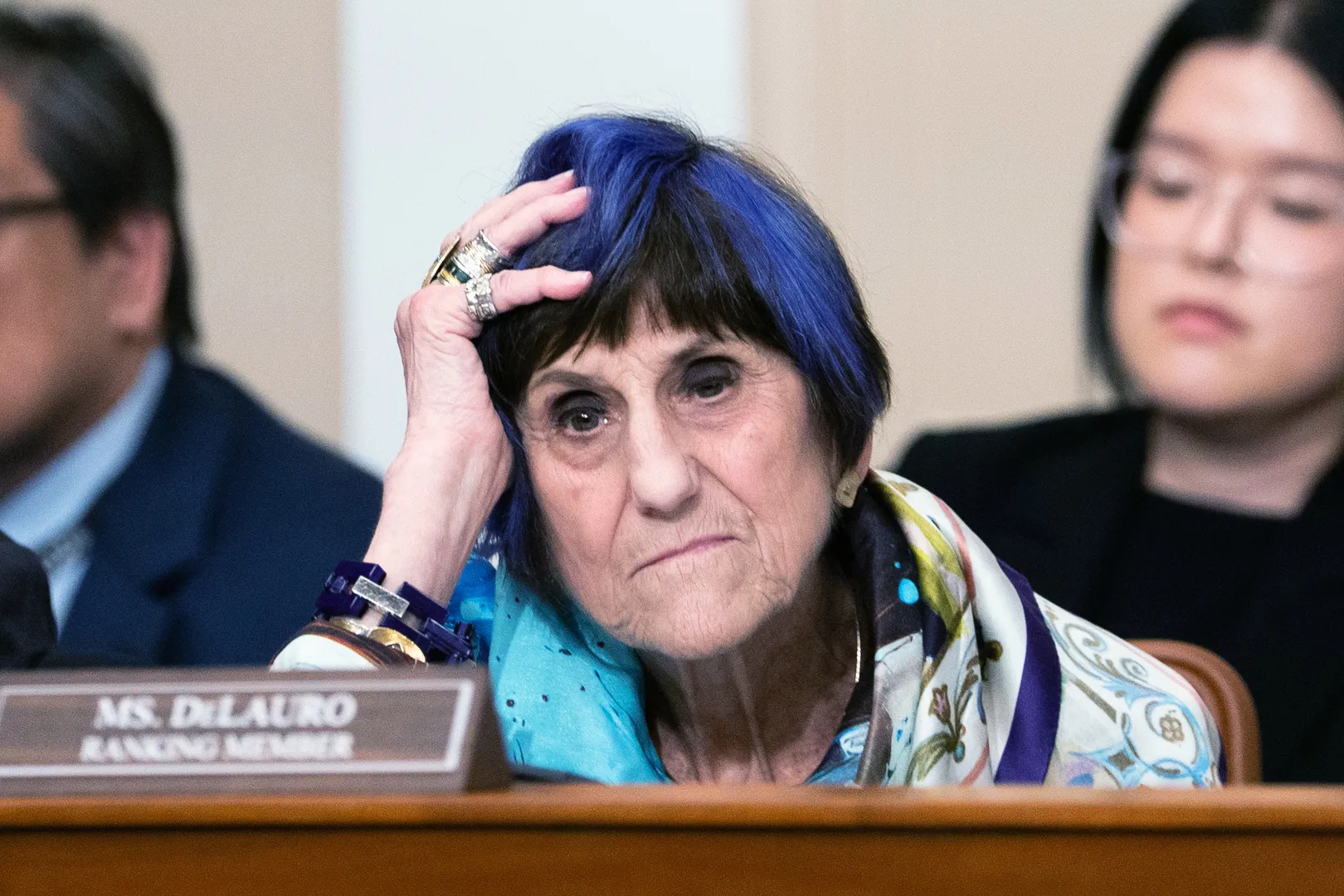
US Secretary of State Marco Rubio has distanced himself from Israeli Prime Minister Benjamin Netanyahu’s Gaza plan during a House Democratic inquiry into the lack of progress on President Trump’s 20-point Gaza plan. The intervention by the State Department chief underscores the complexities of coordinating American diplomatic efforts with Israeli leadership as the administration’s primary peace framework faces scrutiny.
The questioning by House Democrats focused specifically on the stagnation surrounding the implementation of President Trump’s 20-point Gaza plan. Lawmakers sought clarity from Rubio regarding the administration’s diplomatic trajectory, probing the reasons behind the apparent lack of forward momentum in the proposed policy.
During the exchange, Rubio explicitly stated that he distanced himself from the alternative strategy proposed by Prime Minister Netanyahu. This clarification serves as a significant signal of the internal and external policy tensions currently affecting US foreign policy in the Middle East, particularly regarding the administration’s approach to post-conflict governance in Gaza.
The divergence in strategy between the US Secretary of State and the Israeli Prime Minister adds a layer of complexity to the ongoing negotiations. While the Trump administration has outlined a specific 20-point plan, the existence of a competing proposal from Netanyahu suggests a fragmented diplomatic landscape that may hinder unified action.
House Democrats utilized the hearing to highlight the disconnect between the administration’s stated objectives and the current reality on the ground. The inquiry reflects broader congressional concern over the effectiveness of the current diplomatic push and the coordination between Washington and Jerusalem.
As the administration continues to navigate these challenges, the distinction drawn by Rubio between his own stance and Netanyahu’s plan will likely be closely monitored by international observers and domestic policymakers alike. The outcome of this diplomatic realignment could influence the future trajectory of US involvement in the region.
The lack of progress on the 20-point plan remains a central point of contention, with lawmakers demanding greater transparency from the State Department. Rubio’s comments provide a rare glimpse into the internal disagreements shaping the administration’s foreign policy decisions during this critical period.