RSF Admits Responsibility for Drone Strike Killing Five Civilians in Khartoum
Emergency Lawyers reports the incident as the second strike in the city within a week, raising concerns about the return of aerial violence following government counteroffensives.
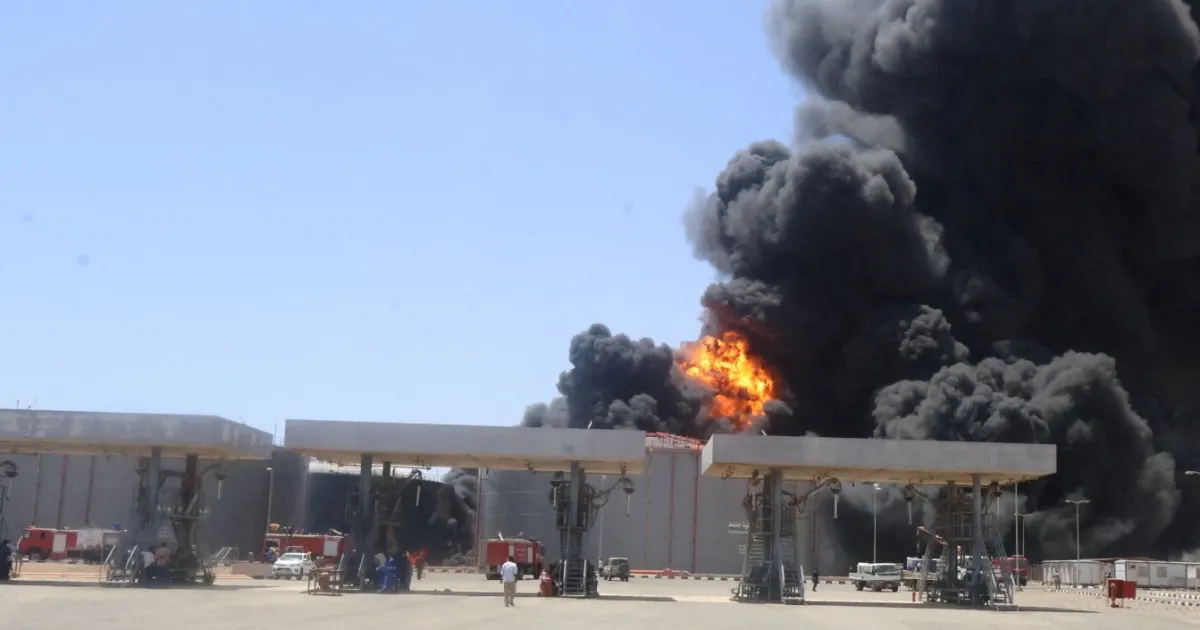
A drone strike attributed to the paramilitary Rapid Support Forces (RSF) has resulted in the deaths of five civilians in Khartoum, according to reports from the independent legal group Emergency Lawyers. The incident marks a disturbing escalation, representing the second attack in the capital within a seven-day period and interrupting months of relative calm that had followed the Sudanese government's successful counteroffensive last year.
In a significant development regarding accountability, the RSF has accepted full responsibility for the strike. The group has explicitly stated that the action constitutes a breach of international humanitarian law. This admission comes amidst a broader pattern of violence, with Emergency Lawyers noting that the incident is part of an ongoing series of attacks targeting civilians.
The latest fatality toll of five civilians adds to a grim regional record. United Nations figures indicate that nearly 700 civilians were killed in drone strikes during the first three months of this year alone. Just days prior, on Tuesday, another drone strike struck a hospital in the Jebel Awliya area, located approximately 40 kilometres south of central Khartoum, according to security sources and eyewitnesses cited by the AFP news agency.
This resurgence of violence occurs as the conflict landscape shifts. While the Sudanese army has secured a solid grip on the north and east, pushing the RSF out of the capital, the paramilitary forces have concentrated their efforts on expanding control in western Darfur and neighbouring areas. These operations include the capture of valuable oil-producing assets, further fragmenting the conflict and spreading violence to southeastern Blue Nile state near the border with Ethiopia.
Despite the return of more than 1.8 million displaced residents and the resumption of domestic flights at the airport, the city's infrastructure remains severely compromised. Much of Khartoum continues to lack electricity and basic services. The conflict, which began in April 2023 between former allies, has displaced around 14 million people, leaving two-thirds of the population in urgent need of humanitarian support.