Rome and Madrid clash over border controls as Ceuta migrant crisis deepens
Diplomatic tensions escalate between the two EU members as Italy maintains border restrictions until mid-August, while Spain faces a humanitarian emergency involving thousands of children in the enclave of Ceuta.
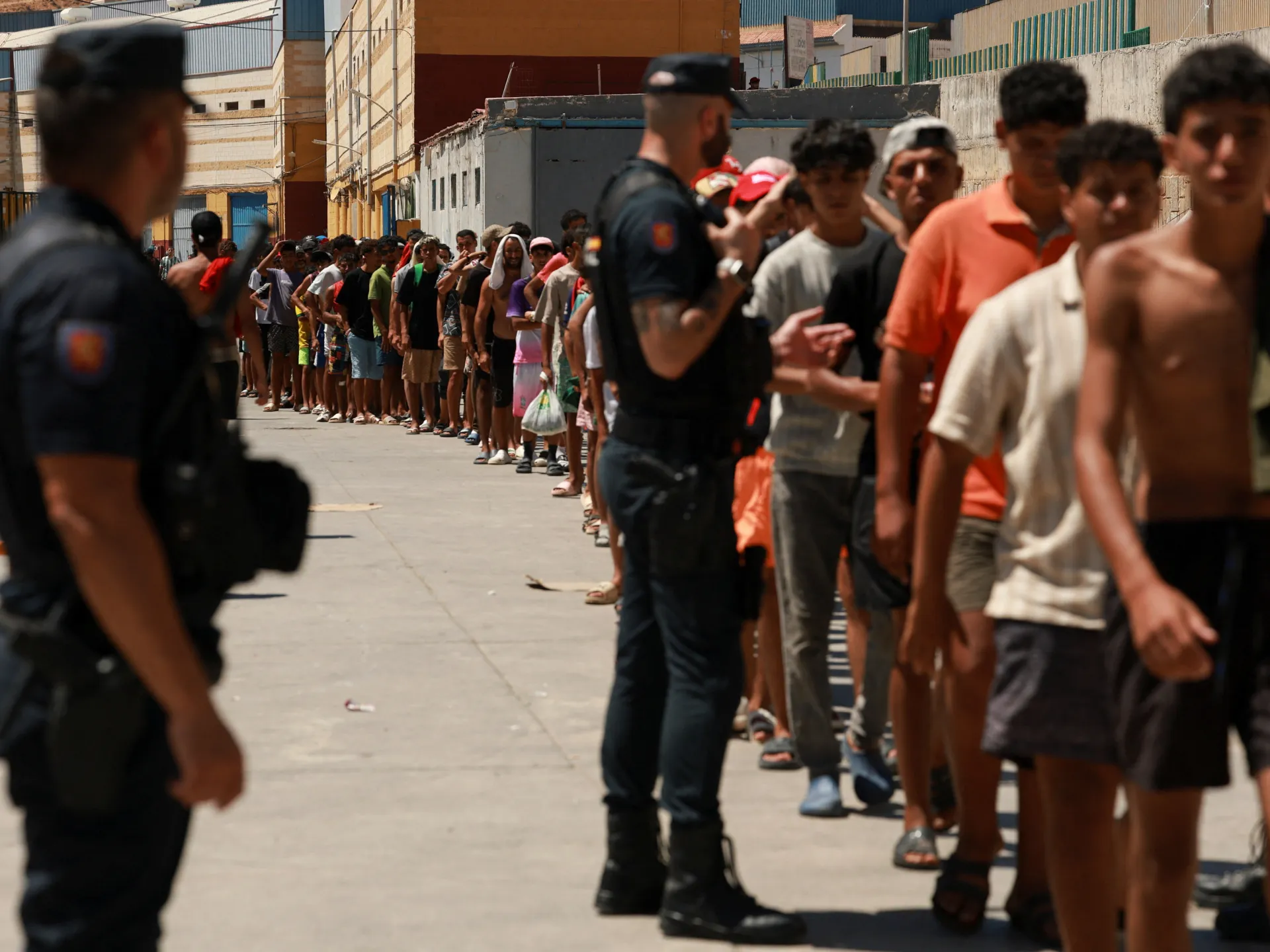
The Italian government has affirmed its intention to maintain temporary border controls with Spain until at least August 15, firmly rejecting a two-day ultimatum issued by Madrid. The diplomatic dispute follows a significant influx of approximately 72,000 migrants into the Spanish enclave of Ceuta, a movement that has resulted in at least 100 deaths and triggered a severe humanitarian crisis involving thousands of children.
Italian Prime Minister Giorgia Meloni defended the reinstatement of checks as an “extraordinary measure” necessary to safeguard national security and prevent potential repercussions for Italy. The controls, which commenced on August 1, were implemented despite the fact that Italy and Spain do not share a land border. Experts have noted the limited likelihood of migrants travelling from Ceuta to Italy, with rights groups describing the move as political theatre rather than a practical security response.
In response to Rome’s stance, the Spanish government issued a statement declaring that if Italy did not cease the checks by the end of Sunday, 9 August, Spain would be obliged to adopt “proportional measures” to protect the interests and dignity of its citizens. The Italian government stated it would not bow to “ultimatums or impositions” from Spain, escalating the tit-for-tat between the two European Union members.
The crisis in Ceuta has drawn criticism from other EU leaders with hardline anti-migration stances. Twenty-two EU member states signed a joint letter accusing Spain of creating “pull factors” that destabilise the bloc’s borders. Meanwhile, Spanish authorities have reported that the vast majority of migrants who arrived in Ceuta have since returned to Morocco, though a humanitarian emergency persists for those remaining.
Spanish Youth Minister Sira Rego reported that at least 1,342 children are among the undocumented migrants in Ceuta, with hundreds being unaccompanied. Authorities have opened two schools as reception centres, though local estimates suggest the enclave’s capacity is limited to 90 places. Rego indicated that children may soon be transferred to the mainland, a move that has become a domestic flashpoint in Madrid.
To address the needs of unaccompanied minors, the Spanish government allocated 25 million euros to support the children in the territory. This decision has been strongly opposed by the far-right Vox party. Vox leader Santiago Abascal stated on social media that no funds from Spanish taxpayers should be used for “illegals” or “invaders”, highlighting the deep political divisions within Spain over the handling of the crisis.
Amid the political fallout, Spanish police announced the dismantling of a people-smuggling operation believed to have brought 2,000 migrants into the country via the southeastern coast and the island of Ibiza. Charities in southern Spain have warned that children remaining in Ceuta face risks of abuse and exploitation, with some reports indicating assaults on minors under the age of 14.