Romania's pro-reform cabinet ousted as historic PSD-AUR alliance topples government
President Nicusor Dan rejects snap elections, insisting a pro-Western administration will be restored through constitutional procedures despite the failure of the ten-month-old reform agenda.
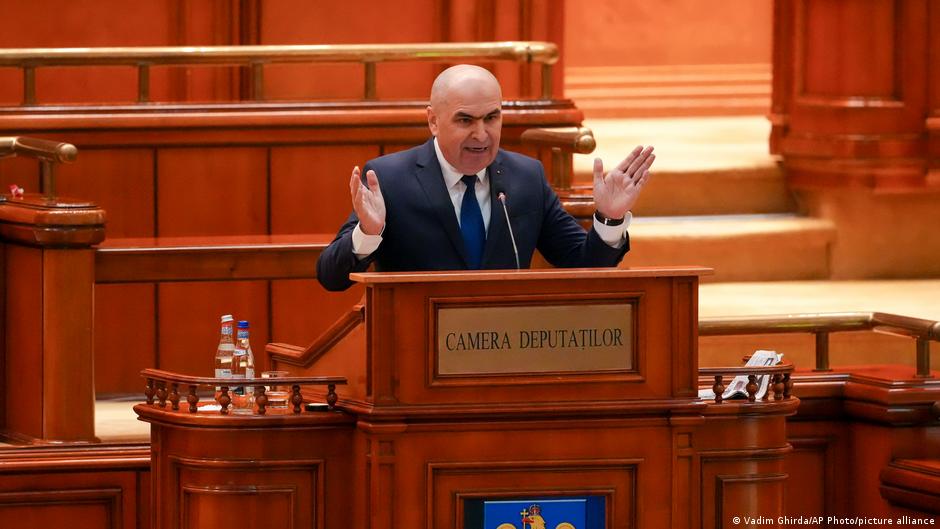
On Tuesday, the cabinet led by Prime Minister Ilie Bolojan was removed via a parliamentary no-confidence vote, ending a tenure of just ten months. This event represents a significant shift in Romanian politics, as the Social Democratic Party (PSD) joined forces with the far-right Alliance for the Union of Romanians (AUR) to topple the government. For the first time in post-communist history, a party from the democratic, pro-European camp allied with a far-right, pro-Russian party to file and vote on a no-confidence motion.
The collapse of this alliance signifies the failure of a pro-democracy firewall against the far right, which had been explicitly agreed upon by all pro-democracy parliamentary parties last year. The Bolojan coalition, formed in June 2025, comprised the PSD, the National Liberal Party, the Save Romania Union, and the UDMR. It was designed to be a broad pro-European banner during a period of severe economic crisis, yet internal divisions led to the Social Democrats withdrawing their ministers two weeks prior to the vote.
President Nicusor Dan has ruled out snap elections, describing the vote as a democratic decision and calling for calm. He expressed confidence that a pro-Western government will be reformed through constitutional procedures. The president noted that there is a pro-Western, pro-European consensus in the country, suggesting that the current instability is a transitional phase rather than a permanent fracture in the nation's alignment with Western institutions.
The political cost of this development is high, particularly given the context of the months-long crisis within the cabinet. The government had taken office during a major political crisis following two difficult presidential elections, pledging ambitious reforms to address a budget deficit of over 9% and an oversized state apparatus. One of the most controversial measures was the abolition of a special pension scheme for members of the judiciary, a move that triggered significant tension within the coalition last fall.
Internal divisions remain within the former coalition regarding the path forward. Some members of the National Liberal Party are advocating for a new government with the Social Democrats, while the Save Romania Union and the UDMR oppose this idea. Meanwhile, the far-right AUR has historically ruled out a coalition with the PSD, viewing it as an establishment party, and had previously sought a snap election to boost its support ahead of the 2024 general election.
The reaction to the toppling of the government has extended beyond Romania's borders, with concern and criticism arising across Europe, particularly within the Socialists and Democrats Group in the European Parliament. While the PSD is playing down the interpretation that this event signifies a complete surrender to the far right, the coordinated nature of the vote suggests a deepening fragmentation of the democratic consensus that had been built over the last year.