Romania's Pro-European Coalition Collapses Following Parliamentary No-Confidence Vote
The Social Democrats and far-right AUR party unite to oust Prime Minister Ilie Bolojan, raising concerns over fiscal discipline and market confidence
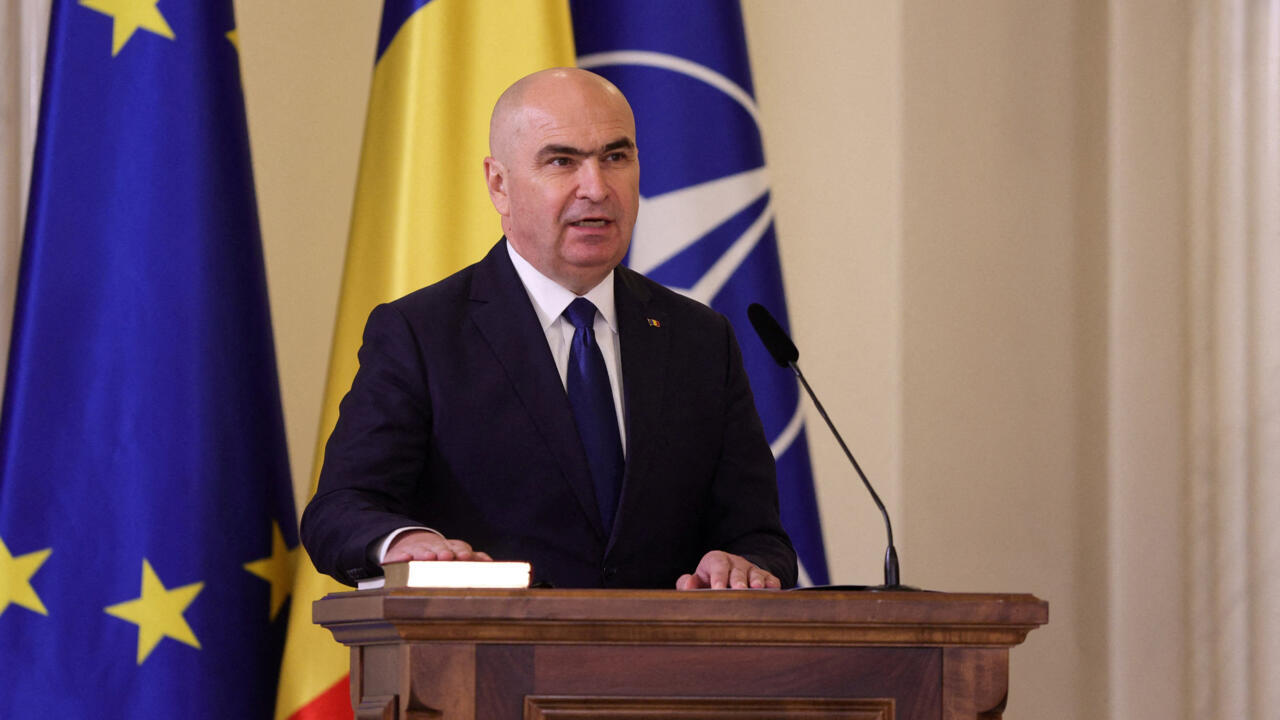
Romania's parliament has voted to dismiss Prime Minister Ilie Bolojan, bringing an abrupt end to the pro-European coalition government less than a year after it was sworn in. The motion of no confidence passed with 281 votes in the 464-seat chamber, a development that signals a significant fracture within the nation's political landscape and challenges the stability of the country's commitment to EU and NATO frameworks.
The vote was initiated by an unlikely alliance between the Social Democrats (PSD), the country's largest party, and the far-right AUR party. This strategic shift by the PSD to collaborate with AUR has drawn sharp criticism from observers who argue the move legitimises a surging far-right faction. While Bolojan's Liberal Party (PNL) and their USR allies were present in the chamber, they abstained from voting, leaving the opposition to drive the motion forward.
The political crisis stems from Prime Minister Bolojan's push for unpopular austerity measures designed to reduce the national deficit, which stood at 7.9 per cent of GDP in the fourth quarter of the previous year. The government's efforts to address these fiscal challenges have alienated key coalition partners, prompting PSD leader Sorin Grindeanu to call for Bolojan's resignation and urging responsible parties to find a solution quickly.
President Nicusor Dan has intervened to stabilise the situation, publicly assuring European leaders and financial markets that Romania will maintain its pro-Western direction regardless of the domestic turmoil. He emphasised that it is his responsibility to steer the country in the right direction and ruled out the possibility of a far-right government taking power, despite the recent parliamentary shift.
The immediate economic fallout has been evident, with the Romanian lei depreciating against the euro to an all-time high of 5.21 lei and borrowing costs rising for the nation. These indicators reflect the market's sensitivity to the political instability, particularly given that Romania has been subject to an EU excessive deficit procedure since 2020.
Analysts suggest that weeks of negotiations lie ahead, potentially resulting in a new government formed by the same four pro-EU parties but with a different premier. Political scientist Costin Ciobanu noted that the PSD's alliance with AUR has transformed the latter from an isolated party into a significant political player, complicating the path to a stable majority.