Primate Testing Reliance Drives Southeast Asian Black Market Amid China Export Ban
Following China's 2020 ban on primate exports, prices have surged, prompting an illicit trade that France 24 identifies as a growing security concern in the region.
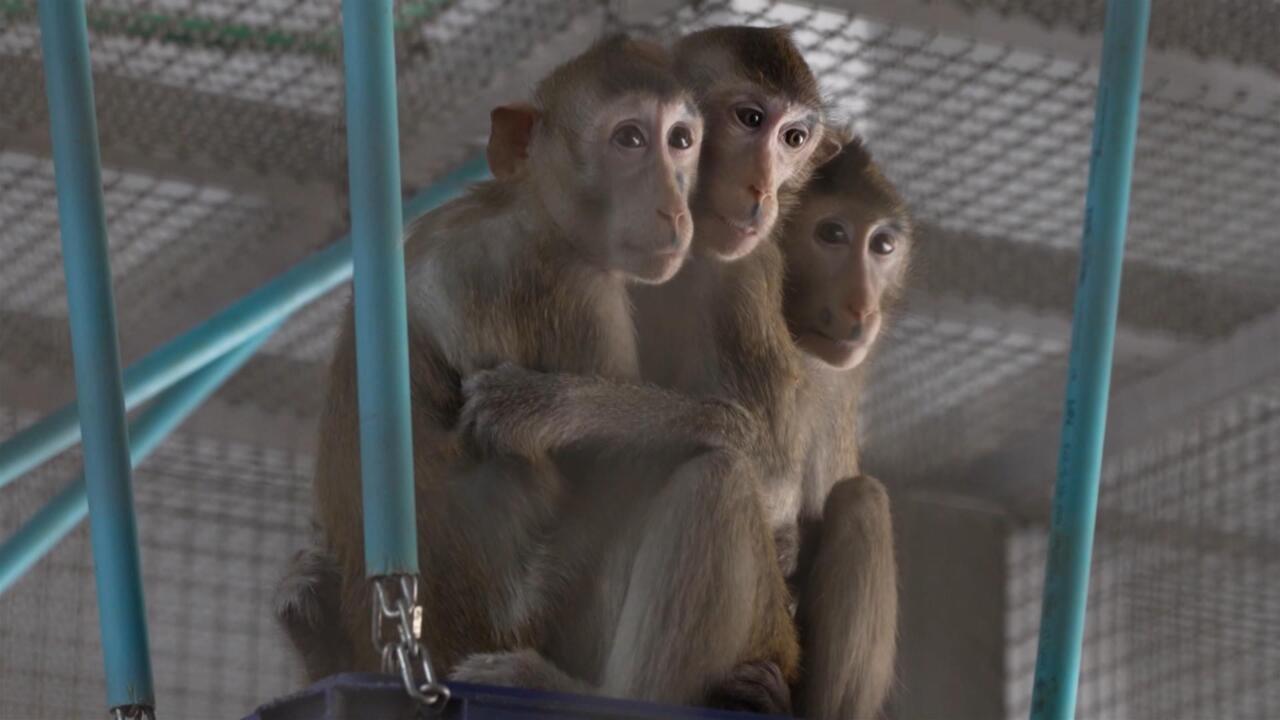
Pharmaceutical laboratories, including major global entities, continue to rely on primate testing for the development of drugs and vaccines. This established dependency has come under strain following a significant policy shift in 2020, when China implemented a ban on the export of primates.
The regulatory change in China has resulted in a dramatic surge in the cost of these animals. France 24 reports that this sharp increase in price has acted as a catalyst, driving the creation and expansion of an international black market for primates.
Investigative journalists from France 24, including Justin McCurry, Théo Collet, Antoine Morel and Cyrille Charpentier, have highlighted the direct causal link between the 2020 export restriction and the subsequent rise in illicit activity. The report indicates that the market disruption has forced a shift in trafficking dynamics across the region.
Cambodia, Thailand and Laos have been identified as central hubs within this illegal trafficking network. These nations are now playing a pivotal role in the movement of primates to meet the unmet demand from pharmaceutical companies seeking test subjects.
The situation underscores a complex governance challenge where standard industry requirements intersect with cross-border regulatory enforcement. As the black market expands, the focus of the issue has moved from domestic laboratory practices to international security and trade compliance.
The findings suggest that without intervention, the reliance on primate testing combined with export restrictions will continue to fuel illegal operations in Southeast Asia.