Confederation of African Football faces criticism over silence on US travel restrictions impacting African World Cup supporters
An opinion piece argues CAF has prioritised integration within FIFA's revenue architecture over defending members against discrimination and inequality regarding US visa policies
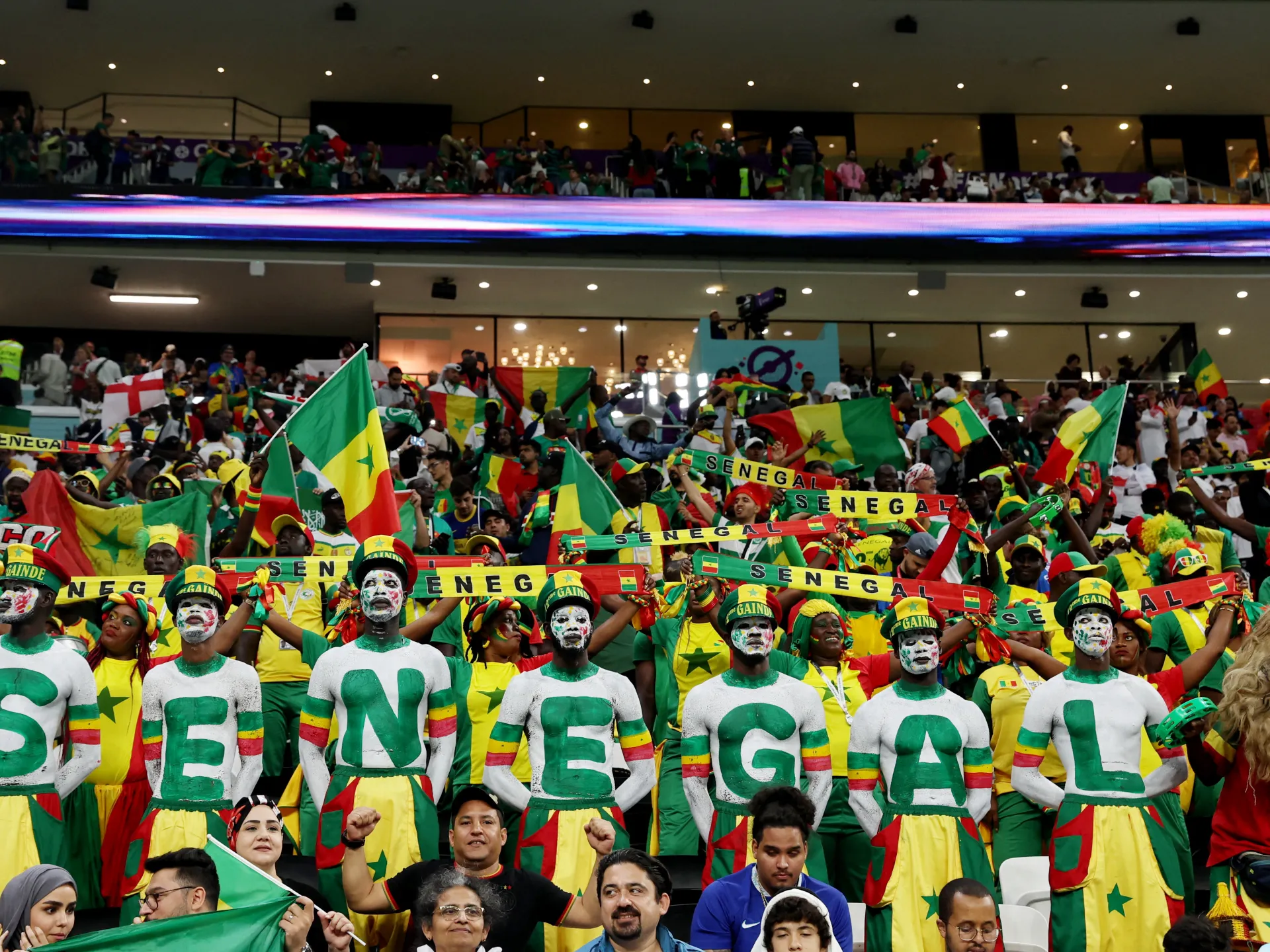
An opinion piece published on Al Jazeera Global News on 5 May 2026 has criticised the Confederation of African Football (CAF) for failing African fans by remaining silent on United States travel bans and visa restrictions. The article highlights that these policies are preventing supporters from nations such as Senegal, Ivory Coast, Algeria, Tunisia, and Cabo Verde from attending the 2026 World Cup in the United States.
The piece notes that four nations whose teams will play in the US are currently on a travel ban list, two of which are African: Senegal and the Ivory Coast. While athletes and support staff are formally exempt from the ban, many fans will be unable to travel to support their teams. Additionally, three other African countries that have qualified for the tournament are subject to a visa bond programme requiring refundable bonds of up to $15,000, with no waiver available for World Cup fans.
The author contrasts this current inaction with CAF's historical willingness to challenge FIFA. The text references a specific historical telegram sent by Ohene Djan of Ghana in 1964, which successfully argued for guaranteed African World Cup slots after initial rejection by the international body. This historical context is used to suggest that the confederation has shifted its priorities away from defending its members against inequality.
The article suggests that the confederation now prioritises institutional survival within FIFA's revenue architecture over defending its members against discrimination. It points out that CAF is fully integrated into FIFA's governance structure, holding nine guaranteed World Cup slots and receiving significant funding, which the author argues creates a conflict between institutional survival and the principles the confederation was founded to defend.
Specific actions the author contends CAF could take include publicly demanding that host countries issue conventional visas rather than FIFA Pass priority appointments to all ticketed fans. The piece also suggests CAF could demand that matches involving teams from countries under full US travel bans be relocated to Canada or Mexico, where vetting is strict but a blanket ban does not apply.
Furthermore, the opinion piece argues that CAF could formally join an ethics complaint filed against FIFA president Gianni Infantino. The author states that if the current CAF leadership does nothing to guarantee equal treatment for African fans, it sends a message to the continent that it subscribes to bending to powerful governments and turning a blind eye to injustice.