Roku hikes streaming hardware prices amid AI-driven memory shortages
The Roku Ultra rises to $150 and the Streaming Stick to $40, marking a shift from the company’s previous stance on supply chain resilience.
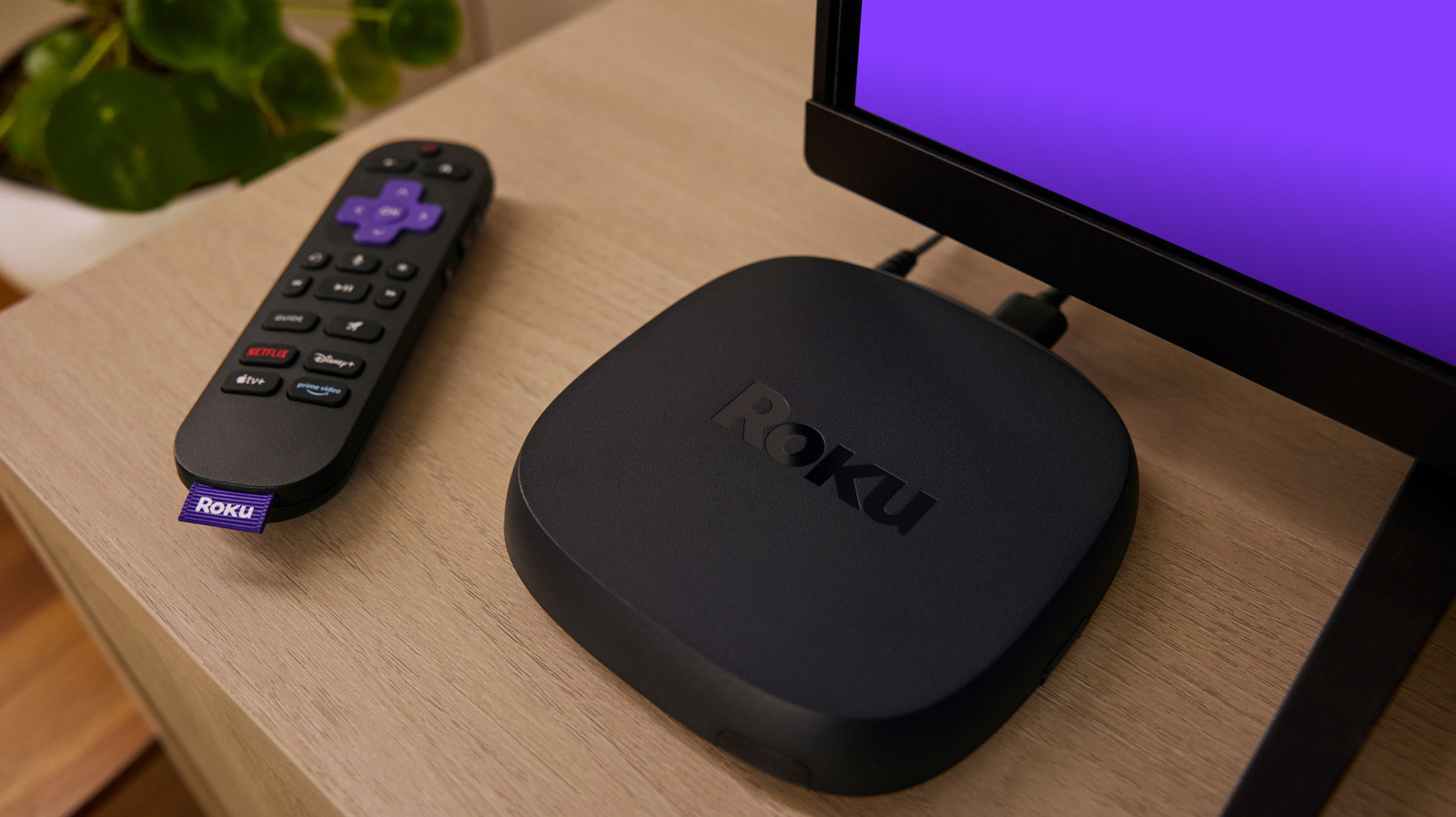
Roku has implemented a price increase across its streaming hardware lineup, citing rising memory costs and component shortages exacerbated by the artificial intelligence boom. The adjustment affects key devices in the company’s portfolio, with the Roku Ultra rising from $100 to $150 and the basic Roku Streaming Stick increasing from $30 to $40.
The price hikes were initially identified by The Desk after observers noted updated pricing on Roku’s official website, where previous price points are now displayed as discounted rates. Roku subsequently confirmed the changes to Engadget, attributing the increase to broader industry-wide supply constraints.
A company executive told Engadget that the decision to raise prices was difficult but necessary to address shortages in memory and other critical components. The surge in costs is largely linked to heightened demand for semiconductors driven by the rapid expansion of AI infrastructure, which has tightened supply across the consumer electronics sector.
Prior to this announcement, Roku CEO Anthony J. Wood had positioned the company’s lower memory usage as a competitive advantage during an earnings call. Wood noted that Roku devices utilise significantly less memory than competitors and argued that rising component costs could benefit the platform by attracting third-party manufacturers who face higher production expenses for rival devices.
However, the current pricing adjustments indicate that Roku is feeling the impact of the memory crunch on its first-party devices. While the company’s hardware business is predominantly third-party, the direct increase in costs for its own branded units suggests that the supply chain pressures are now affecting even those products previously insulated by lower memory requirements.
The specific duration of these price increases remains unclear, with no indication from the company whether the changes are temporary or permanent. The extent to which the memory crunch will influence future product development or other device models has not been detailed.
These developments highlight the growing influence of AI-related demand on consumer electronics pricing, as companies across the sector navigate the same component shortages that have driven up costs for cloud providers and hardware manufacturers alike.