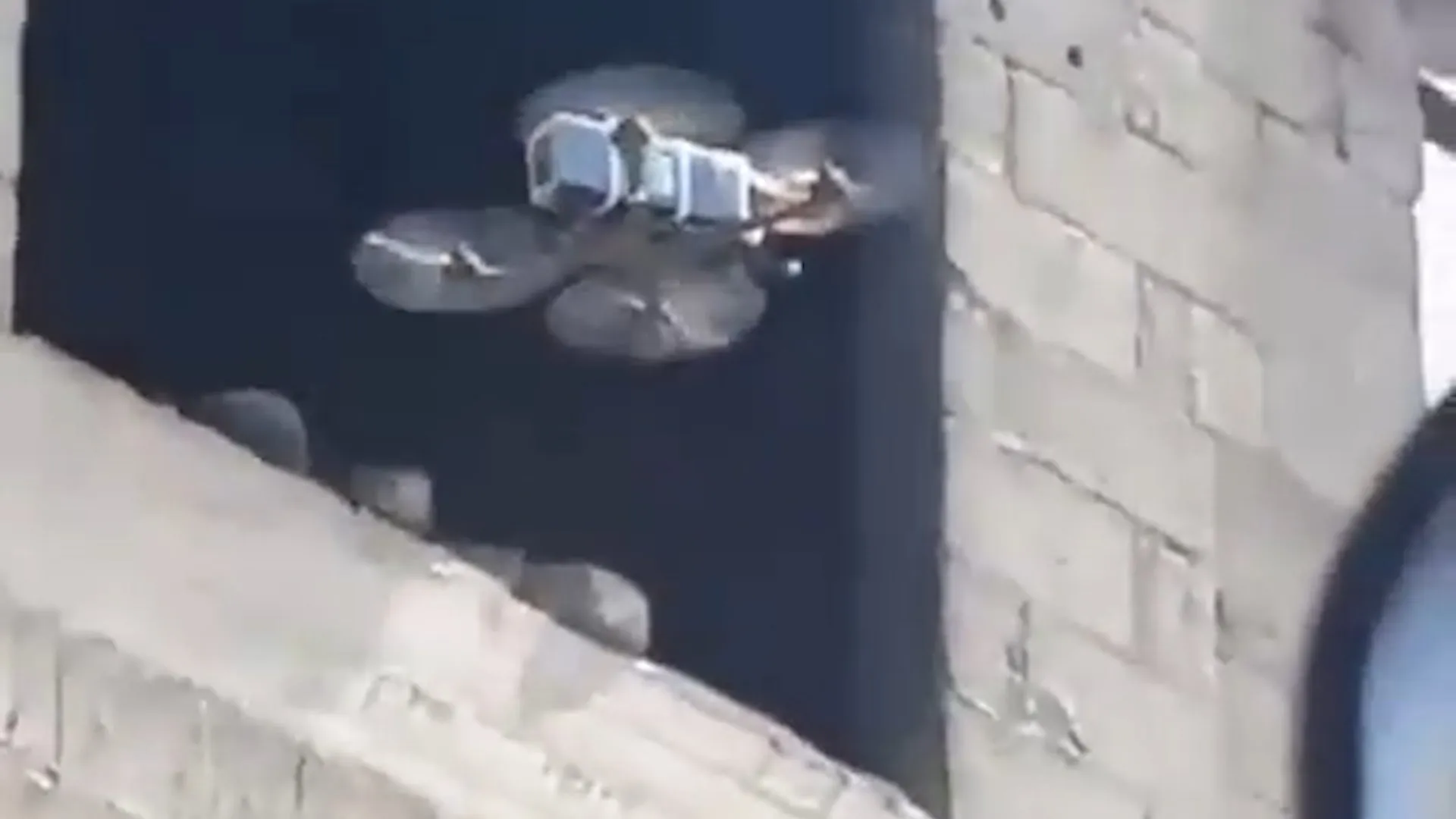
Robotaxis expand in Austin and London as safety and jobs questions deepen
Limited robotaxi services in Austin and London have brought renewed scrutiny of vehicle certification, public safety and the effect of automation on transport jobs.
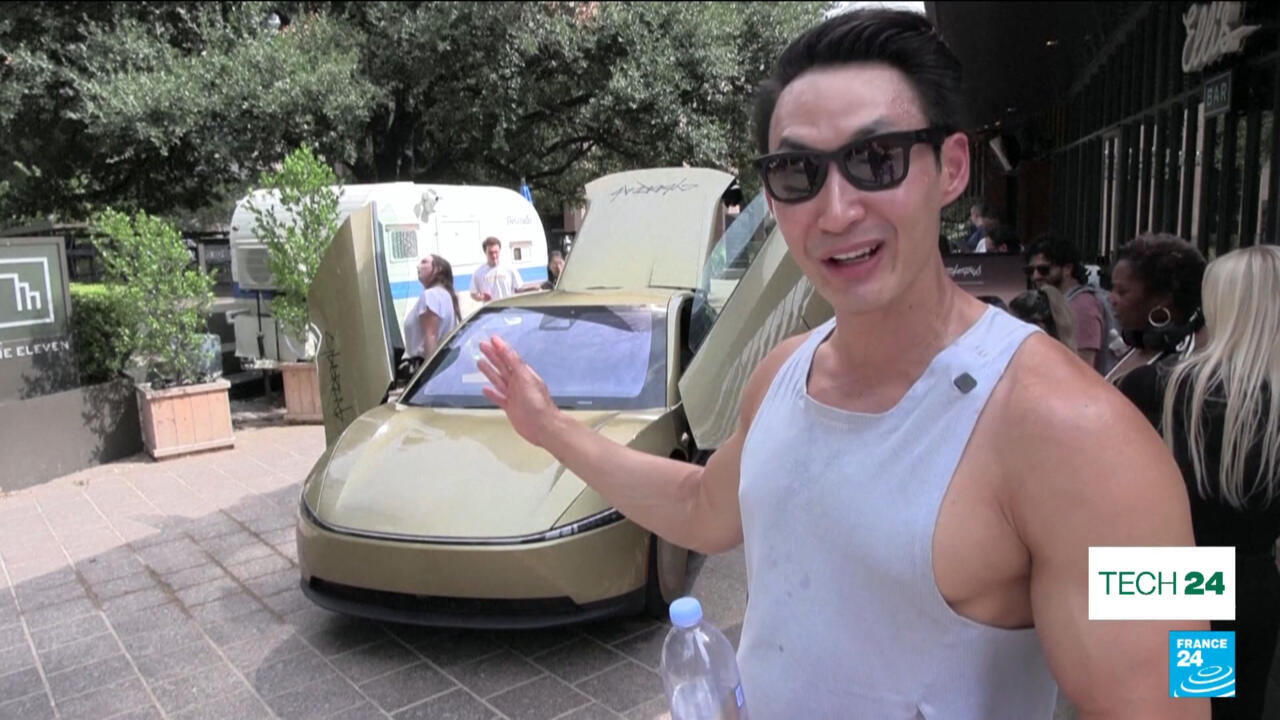
Tesla’s driverless Cybercabs have begun offering rides in limited areas of Austin, Texas, placing the company’s certification process under formal review by the US National Highway Traffic Safety Administration.
The inquiry is examining how Tesla certified the vehicles as street legal. The supplied material does not indicate the scope or outcome of the investigation, and does not establish that Tesla breached any law or safety requirement. Tesla shares fell more than 5 per cent following news of the inquiry.
London has also begun a robotaxi service, operated jointly by Uber and UK start-up Wayve. The service retains a human safety supervisor on board, meaning the vehicles are not fully unattended.
Uber has announced plans to cut about 3,300 jobs. France 24 reported the cuts as part of the company’s shift towards robotaxis, although the supplied material provides no further detail on how the restructuring will be carried out.
China’s longer experience has highlighted both operational and employment risks. More than 100 Baidu robotaxis reportedly stopped simultaneously on Wuhan’s streets in March, followed by a nationwide permit freeze that was lifted in June. A peer-reviewed study found robotaxis reduced local taxi drivers’ income in Wuhan by almost 11 per cent.