Robotaxi becomes the villain in planned short film ‘Road Rage’
Romain Thomassin’s film follows a San Francisco ridehail driver pursued by an autonomous car after a minor road-rage incident.
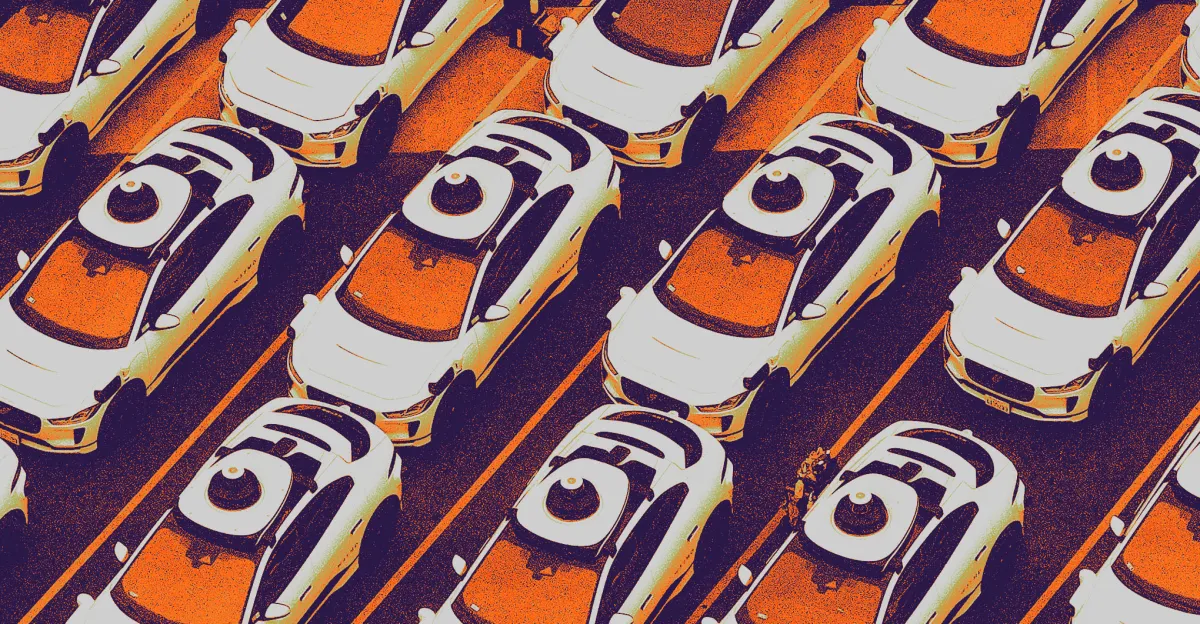
A planned short film is casting a murderous autonomous car as its villain, turning public anxieties about artificial intelligence and robotaxis into a San Francisco chase story.
“Road Rage”, from filmmaker Romain Thomassin, follows Joa, a Mexican immigrant ridehail driver whose manual-transmission car is pursued after a minor confrontation with an autonomous vehicle called Roboride. The project is seeking US$40,000 on Kickstarter to fund production.
According to Thomassin, the film will use real cars, actors and stunts. An old Prius is due to be modified with front-mounted lights, fake cameras, a lidar-like roof device and a blinking red light to portray the autonomous vehicle.
The story draws on concerns about job displacement, surveillance and machines making decisions once left to people. Thomassin has described Joa as an analogue counterpoint to Roboride, with human instinct and unpredictability set against an autonomous system.
The film also reflects the hostility robotaxis have faced in San Francisco, where Waymo vehicles have been obstructed, vandalised and set on fire. In Thomassin’s fictional premise, that treatment becomes part of the machine’s motivation for revenge.
The filmmakers are considering AI-generated imagery to depict what Roboride sees, while using traditional cinematography for the human driver’s world. “Road Rage” remains in production development, and its funding, completion and release have not been confirmed, The Verge reported.