RoboStore pivots to domestic robot manufacturing after FCC import ban
The former primary distributor for Unitree Robotics is launching a new entity, Robo Inc, to build US-compliant robots for healthcare, security, and education sectors.
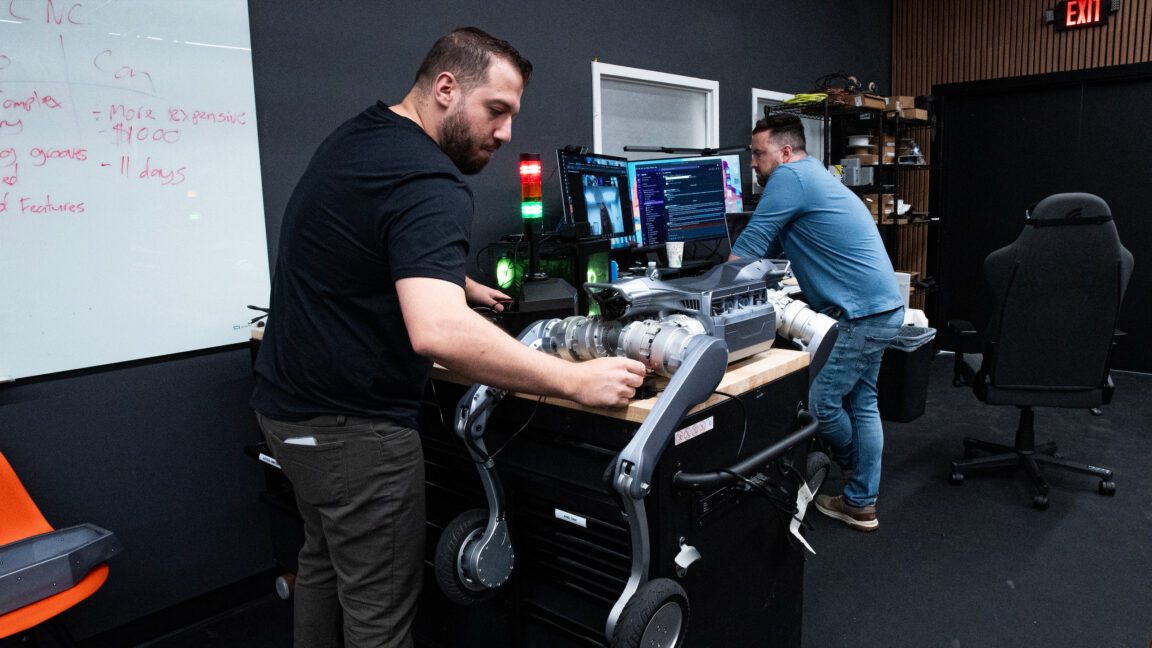
RoboStore, the primary North American distributor for Chinese firm Unitree Robotics, is shifting its strategy to manufacture its own robots in the United States. The move follows a ban by the Federal Communications Commission (FCC) on new imports of foreign-made robots, which cited national security and cybersecurity vulnerabilities.
The company announced on 10 August that it plans to open a 66,000-square-foot manufacturing facility on Long Island, New York, by the first fiscal quarter of 2027. To oversee this new robotics manufacturing and systems integration business, RoboStore has launched a new entity called Robo Inc.
Teddy Haggerty, founder and CEO of RoboStore, noted that the company had previously sold over 1,500 robots to clients including Cisco, OpenAI, Nvidia, and more than 150 universities. While the team had considered starting its own manufacturing business for about a year, the regulatory environment accelerated the timeline. Prior legislative moves, including the American Security Robotics Act in the Senate in March and the GUARD Act in the House of Representatives in June, set the stage for the July FCC ban.
Under the Robo Inc banner, the team is developing specific robotic products tailored to industry needs rather than general-purpose solutions. These include a wheeled humanoid torso for healthcare and concierge services, a specialised quadruped for security applications, and a humanoid platform for educators and researchers. Haggerty stated that universities are seeking US-compliant products, leveraging the company’s experience as a major distribution channel for education.
Engineers have used 3D printing to build robot prototypes that are currently being tested by certain customers. The company expects to produce commercial versions of these robots from the new dedicated facility by early 2027.
Robo Inc is also seeking its first significant round of external funding after operating as a bootstrapped business for several years. Haggerty indicated strong interest from existing customers as the company moves through the fundraising process, aiming to scale manufacturing and address the growing demand for domestic production.