Nevada greenlights 8,000 robotaxis as Tesla, Uber and Waymo race to dominate Las Vegas
The Nevada Transportation Authority has unanimously approved permits allowing three major players to deploy up to 8,000 autonomous vehicles in Clark County over the next 12 months.
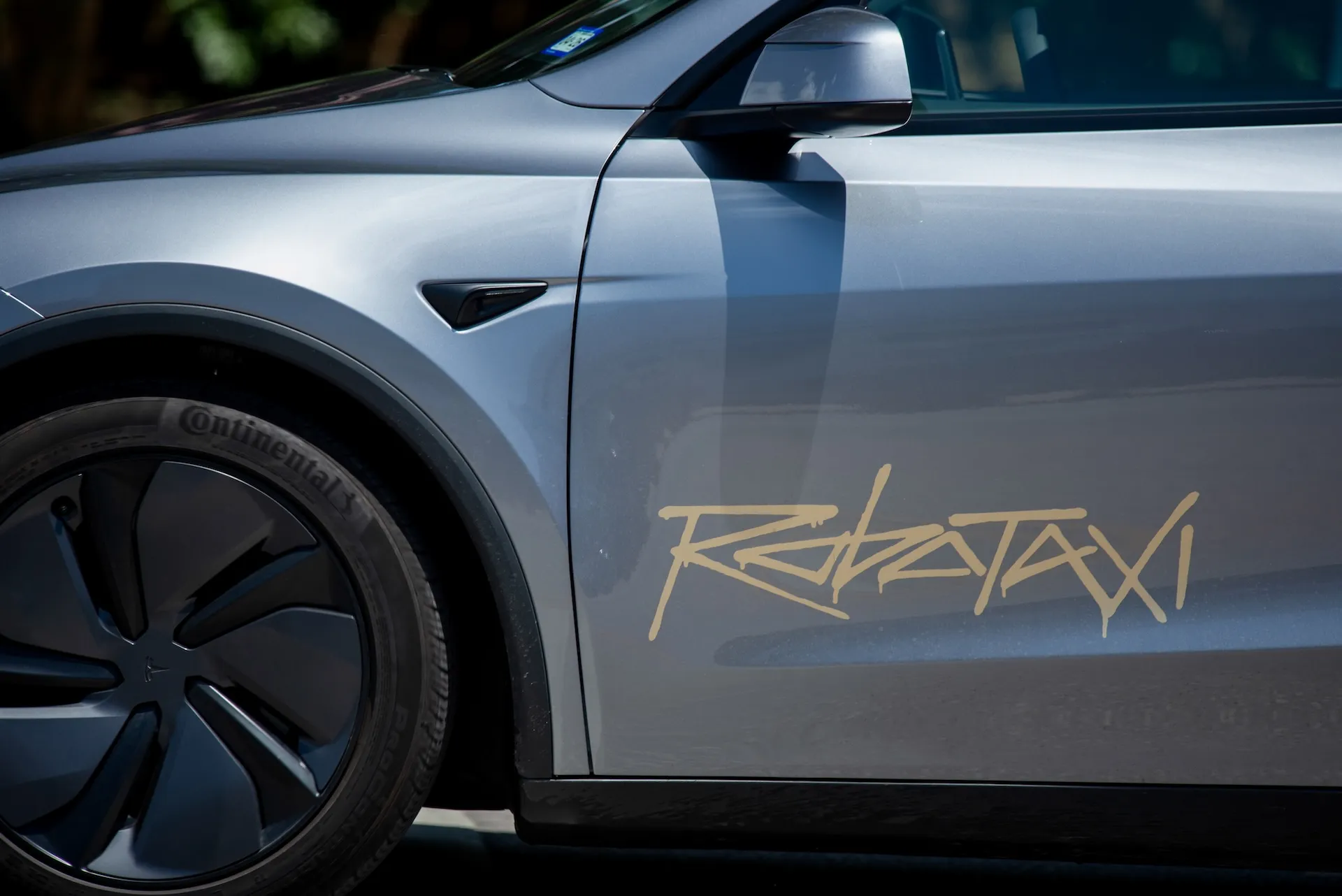
The Nevada Transportation Authority has unanimously approved three permits that will allow Tesla, Uber and Waymo to operate commercial robotaxi services in Clark County, the region home to Las Vegas. The approvals authorise the deployment of up to 8,000 autonomous vehicles across the county over the next 12 months, marking a significant step in the commercialisation of self-driving technology in the United States.
Tesla has been granted the largest share of the allocation, with permission to deploy up to 5,000 robotaxis. Waymo is authorised to operate up to 1,000 autonomous vehicles, while Uber has also received approval for 1,000 robotaxis. Uber’s operations will be facilitated through partnerships with Hyundai subsidiary Motional and Zoox, the latter of which already holds a separate permit allowing it to operate 100 robotaxis.
Despite the high volume of authorised vehicles, industry insiders suggest the actual deployment numbers may be lower. Eric Early, Tesla’s Cybercab chief engineer, stated during the meeting that the 5,000-vehicle limit is a ceiling rather than a target. He indicated that the company would be satisfied with deploying 2,500 vehicles within the next year, noting that the constraint is not technological but operational.
The approval positions Las Vegas as a major battleground for autonomous vehicle services, with three competitors vying for the same rider base. This rapid, large-scale deployment is expected to significantly impact the local workforce. Depending on perspective, the influx of robotaxis will either create a new category of jobs focused on maintaining, charging and cleaning the vehicles, or it will reduce demand for human taxi and gig drivers.
Local opposition has been led by the Livery Operators Association and local taxi companies, who argued that the approvals move too far and too fast. Kimberly Maxson-Rushton, a lawyer representing the association, cited concerns regarding the oversaturation of the commercial transportation industry and the overcrowding of roadways, particularly in the "Golden Triangle" area between the airport and Las Vegas Boulevard.
Uber has advocated for a hybrid approach, proposing a system where ride-hailing networks include both human and autonomous drivers. This strategy allows cities to gradually integrate vehicles to meet peak demand rather than flooding the market all at once, a stance that distinguishes Uber from Waymo and serves as a hedge against its own autonomous ambitions.