Rising murder rates in Palestinian communities prompt allegations of two-tier policing under current administration
Government cuts $68.5m from economic development fund to finance policing; analysts attribute violence to chronic underinvestment and criminal networks
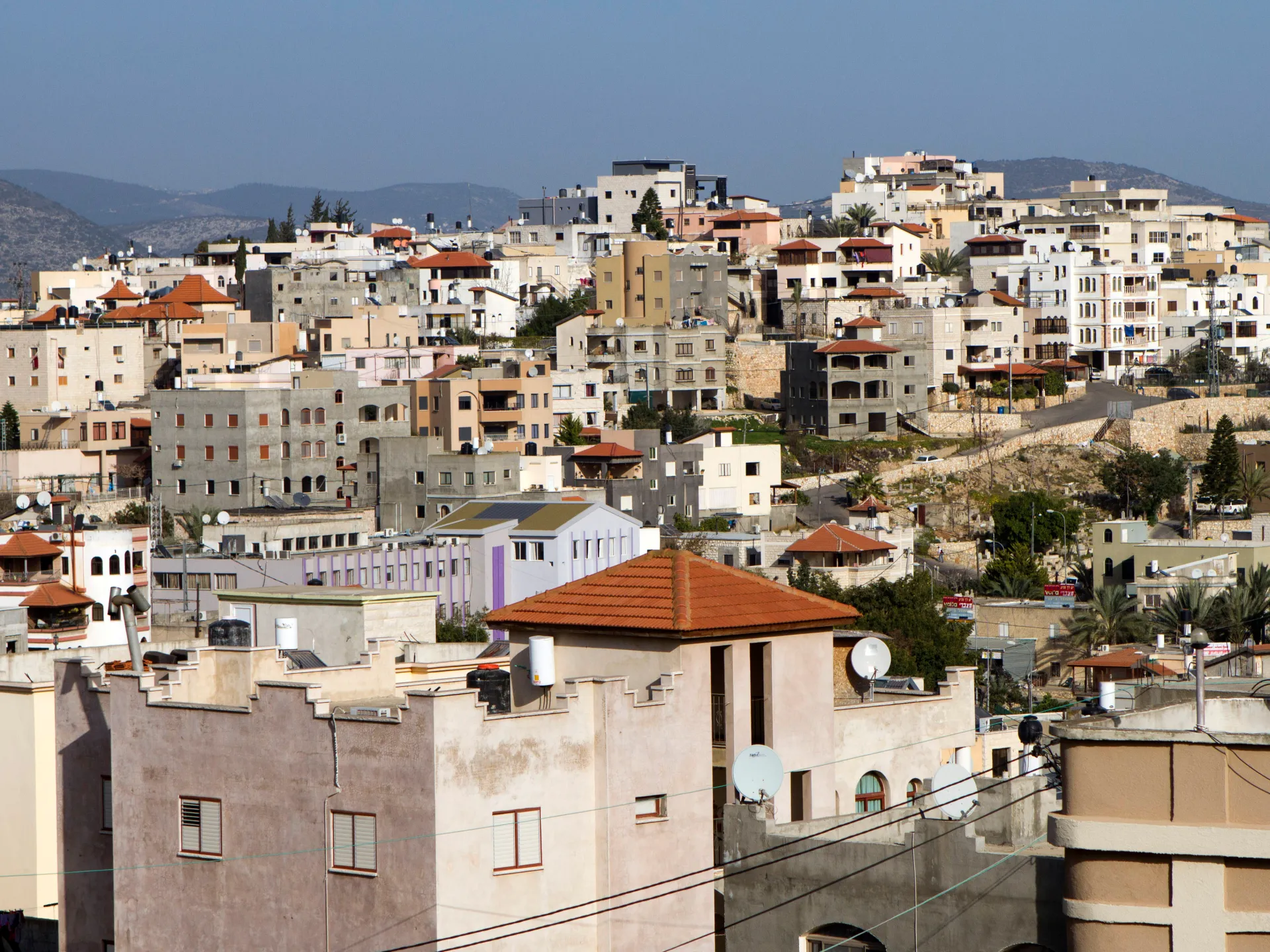
Murder rates in Israel's Palestinian communities have surged to 11 per 100,000, a figure critics describe as comparable to rates in Sudan and Iraq, while the rate in Jewish society remains approximately 0.6 per 100,000. This disparity has prompted allegations of state complicity and neglect under the current administration, which has been in power since the end of 2022. The statistics indicate a sharp increase from 4.9 per 100,000 in 2020, a trend lawmakers attribute to the introduction of figures such as National Security Minister Itamar Ben-Gvir into government.
Following the killing of 21-year-old former soldier Yemanu Binyamin Zalka, Minister Ben-Gvir announced a national operation to combat youth violence, declaring it would be a "total war" to restore security. While the response was sharp and aligned with the victim, critics highlight a stark contrast in police response between Jewish and Palestinian areas. The ongoing epidemic of violence in Palestinian towns has resulted in nearly 100 deaths and costs the state up to $6.7bn annually, yet the government's recent actions suggest a prioritisation of enforcement over prevention in these sectors.
In a move opposed by advocacy groups, the government recently approved a $68.5m cut to an economic development programme for Palestinian communities to fund additional policing. Critics argue this addresses symptoms rather than root causes, noting that Palestinian citizens of Israel make up around 21 percent of the country's population but face chronic underinvestment. Police stations are standard in Jewish-majority areas, whereas there are only about 10 in Palestinian-majority areas, exacerbating the perception of a two-tier system that has dogged Israel's police for decades.
Analysts and experts attribute the violence to chronic underinvestment, high unemployment, and the influence of criminal networks that have grown into mafia-style organisations. Professor Daniel Bar-Tal of Tel Aviv University stated that there is a wide network of criminal gangs exerting control across Arab neighbourhoods, with some accounts suggesting the state relies on their collaboration to gather information. The unemployment rate has worsened since access to the occupied West Bank was choked off following the October 7 attack, with 37.6 percent of Palestinian households in Israel living below the poverty line as of 2024 figures.
The High Court recently intervened in a dispute between Ben-Gvir and Attorney General Gali Baharav-Miara after the latter called for his ousting over alleged political interference in police work. This internal friction coincides with growing domestic criticism of the National Security Minister's performance, with some accusing him of using his position to punish Palestinians through a lack of security and hostile planning. While Ben-Gvir rejects accusations of racism, claiming he is only against those who harm Jews, his actions have dismayed many observers and entered the domestic mainstream as a subject of serious political debate.