Rights groups and UN warn of ‘human shields’ tactic in El Obeid siege
As the Rapid Support Forces tighten their grip on the strategic city, analysts fear a repeat of the atrocities seen in El Fasher, with schools and hospitals becoming casualties of a war where civilians are caught in the crossfire.

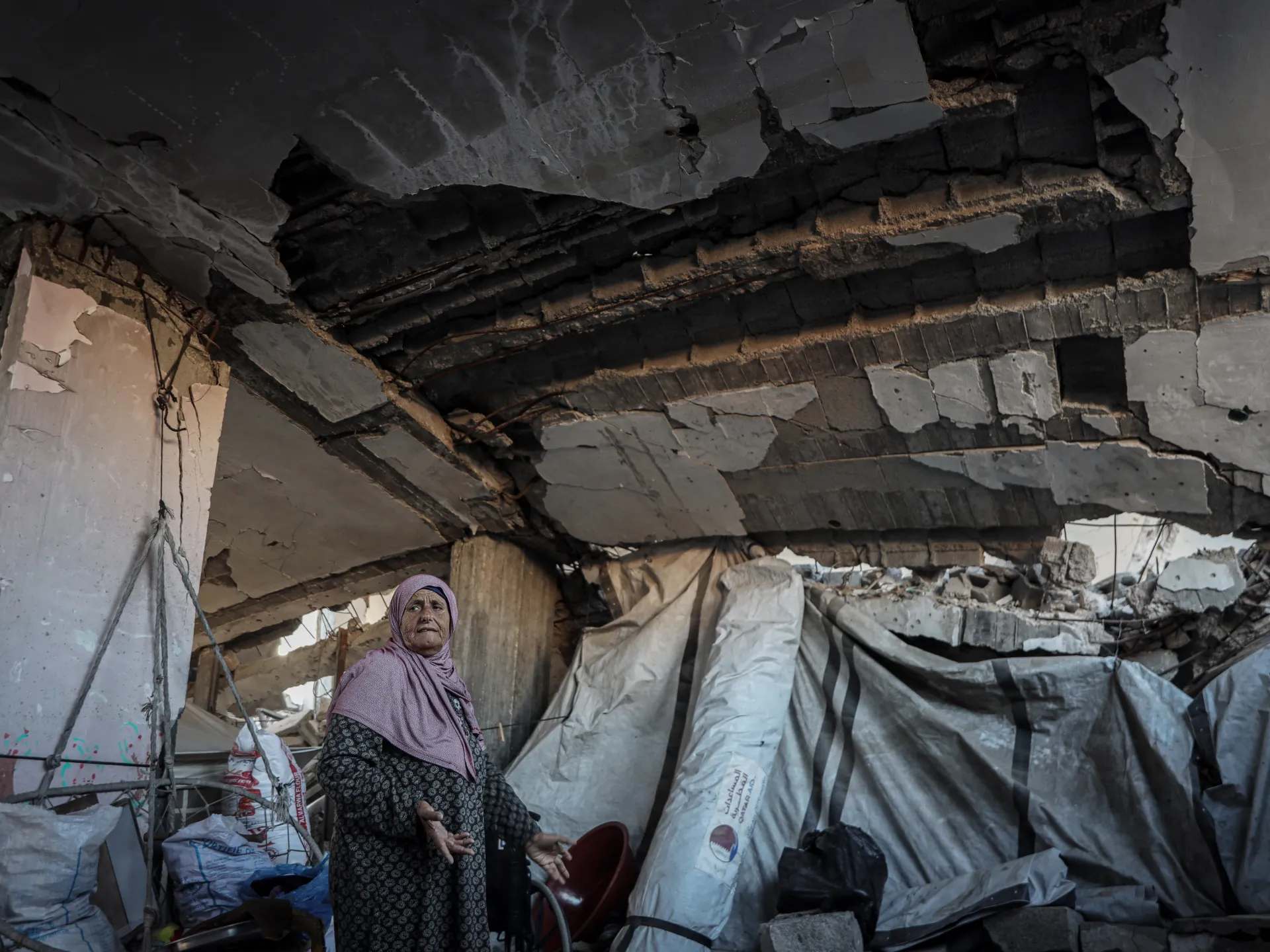
The humanitarian situation in the besieged Sudanese city of El Obeid is deteriorating rapidly, with rights organisations and the United Nations warning that paramilitary forces are effectively using civilians as human shields. The Rapid Support Forces (RSF) have intensified drone attacks on civilian infrastructure, including schools, hospitals, and water treatment plants, targeting sites where Sudanese Armed Forces (SAF) troops are stationed.
Footage published by the nonpartisan Sudanese media outlet Ayin Network shows flattened houses and rubble where a primary school once stood in the capital of North Kordofan. Ahmed Awad, a project manager for Plan International and a native of El Obeid, reported that the city’s population has swelled with several hundred thousand internally displaced persons (IDPs). This influx has exacerbated critical shortages of food, clean water, and medical supplies, with residents facing long queues for basic necessities.
The impact on children has been severe. Awad confirmed that a drone strike hit a primary school, killing three children, which has caused significant trauma among survivors. Many children are now afraid to attend school, and psychosocial support services are struggling to cope with the fear generated by unpredictable drone strikes. Francesco Lanino of Save the Children noted similar trauma among children in the Tawila IDP camp near El Fasher, where some children refused to speak due to the psychological toll of the conflict.
Adam Mousa Eshag, director of the Darfur Victims Support Organization, explained that SAF soldiers have turned classrooms into barracks in El Obeid, a tactic previously used in El Fasher. He argued that this military strategy is the reason the RSF is bombing these sites, noting that when the paramilitary forces attack, civilians pay the price because they are present in these converted military locations.
Analysts and aid organisations fear a repeat of the atrocities witnessed in El Fasher if the RSF captures El Obeid. The city is a strategically important trading hub on the route between Khartoum and Darfur, currently controlled by the army which has approximately 13,000 soldiers stationed there. Pekka Haavisto, the UN secretary-general’s personal envoy for Sudan, expressed alarm in June over frequent drone strikes affecting civilians and humanitarian aid, warning that further escalation would place thousands at risk.
The United Nations Fact-Finding Mission for Sudan has previously identified hallmarks of genocide in the capture of El Fasher, where the RSF bombed infrastructure before storming the city after an 18-month siege. A joint appeal by human rights organisations warns that the current escalation in El Obeid could lead to similar human rights violations, as the paramilitary forces continue to advance towards the city limits.