Retro gaming market: Rarity and condition drive value in secondary sales
While most video games depreciate, specific rare items and sealed copies can command significant premiums, with some fetching over $100,000.
An analysis by Engadget highlights the complex factors determining the resale value of retro video games, noting that monetary worth is driven by rarity, console sales figures, condition, and nostalgia rather than a fixed pricing list. Although most titles lose value over time, the secondary market offers potential profit for collectors who understand these dynamics, with specific rare items commanding prices far exceeding their original retail cost.
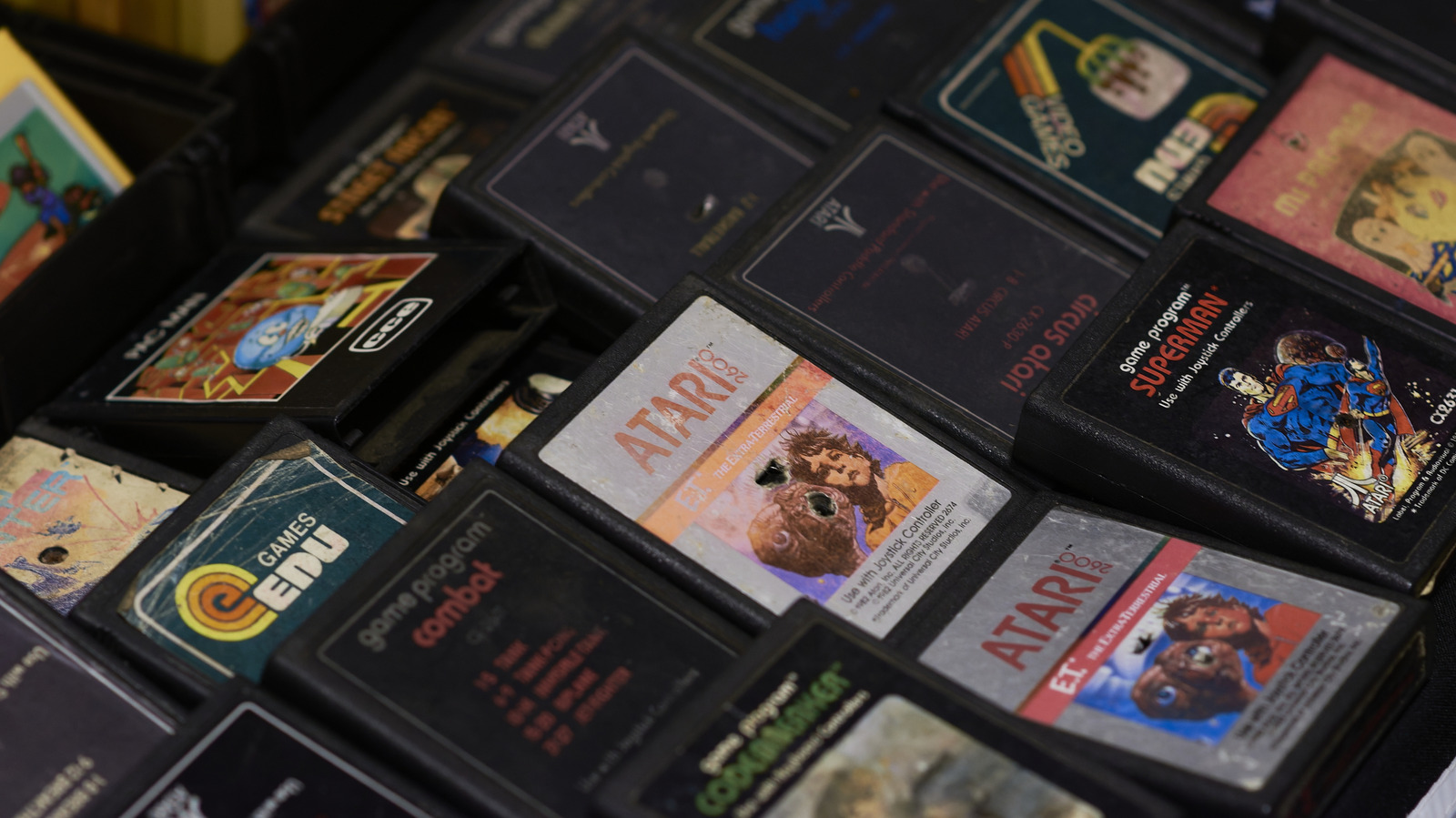
Rarity is a primary driver of value, influenced by a game’s age and the number of copies in circulation. Titles for older consoles, such as the Atari 2600, often hold more value than those for more recent systems like the Xbox 360 due to their longer absence from print. Console sales figures also play a crucial role; for instance, GameCube titles frequently command higher prices than PlayStation 2 equivalents from the same era because the GameCube sold significantly fewer units, resulting in lower print runs.
Extreme examples of rarity include the Nintendo World Championship Gold cartridge for the NES, a prize awarded to just 26 winners by Nintendo Power magazine, which can fetch over $100,000. Similarly, Tetris for the Sega Mega Drive is noted for having fewer than 10 known copies in existence. While there is no definitive list to precisely explain the value of every game, these outliers demonstrate the high-end potential of the collecting market.
Condition significantly impacts value, with complete-in-box (CIB) copies and sealed items worth substantially more than loose games. Visual cues such as unscratched discs and intact cartridge art are critical for maintaining baseline value. Nostalgia also underpins the market, supporting franchises like Pokémon and The Legend of Zelda, although the impact of remakes on original titles remains inconsistent, with some prices dropping while others remain strong.
For sellers, Engadget advises utilising grading services like CGC for high-value CIB or sealed items to provide official quality documentation. Direct sales via eBay typically yield higher profits than trade-in offers from retailers like GameStop, which may offer significantly less than market value. Tools such as PriceCharting and Plynt can assist collectors in cataloging games and tracking real-time market prices to determine optimal listing strategies.