Repurposing satellite dishes for free TV depends on location
While old satellite dishes are generally incompatible with local over-the-air broadcasts in the United States, they may still be useful for free-to-air services in the UK, according to a new report.
A consumer technology report from Engadget clarifies the limitations of repurposing old satellite dishes for free television reception, highlighting significant regional differences between the United States and the United Kingdom. The analysis suggests that while the hardware may appear suitable for receiving local broadcasts, the underlying signal frequencies and sources often prevent a direct swap.
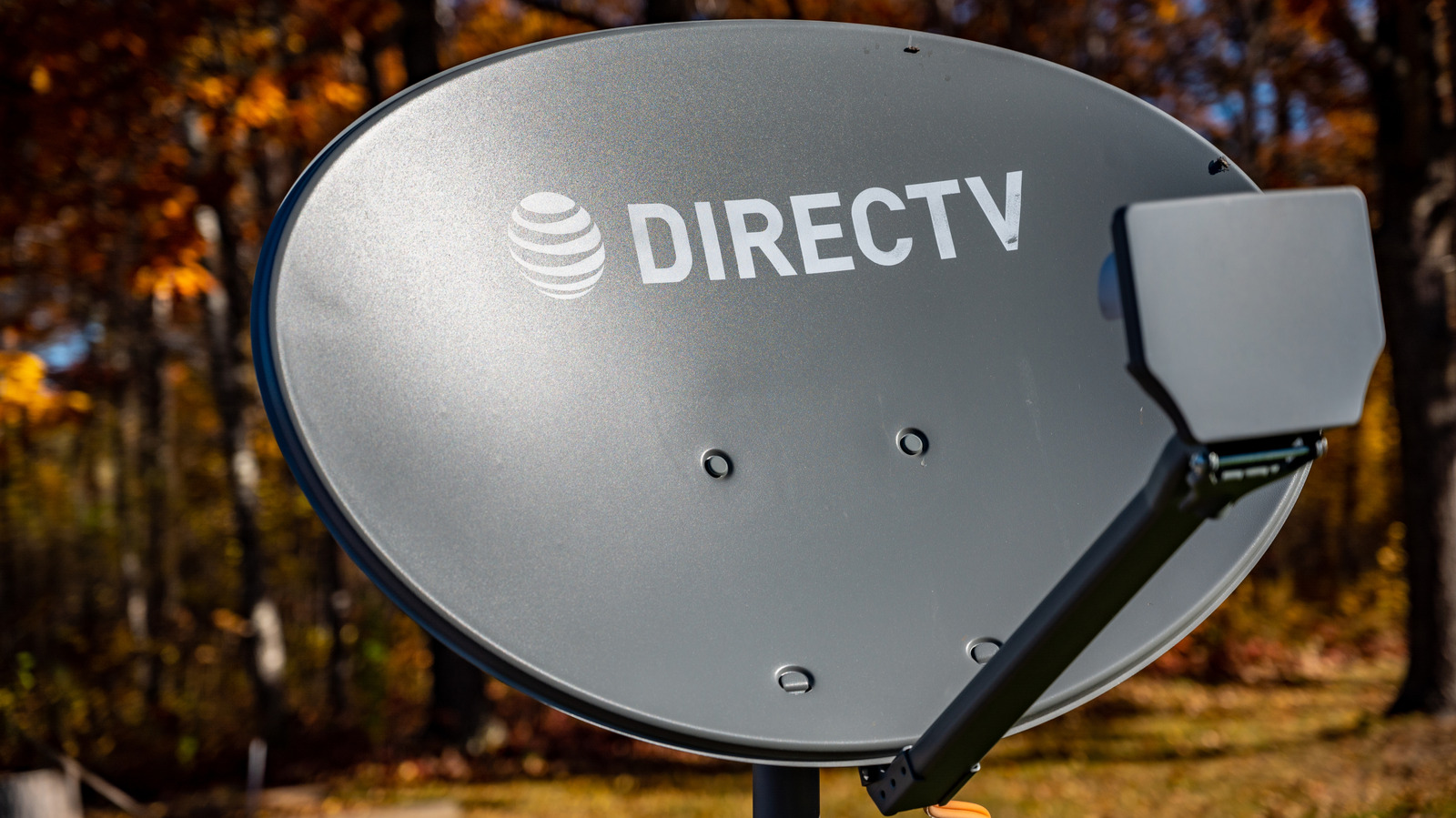
In the United States, standard satellite dishes such as those from DirecTV or Dish Network are generally unable to receive local over-the-air (OTA) broadcasts. This is because satellite dishes are designed to capture high-frequency signals from space, whereas terrestrial antennas are built to receive lower-frequency VHF and UHF signals from local broadcast towers. Consequently, plugging a satellite dish’s coaxial cable directly into a television will not typically unlock local affiliate channels for most American viewers.
However, the existing infrastructure is not entirely without value. The mounting pole and coaxial cable run can often be repurposed to support a dedicated outdoor TV antenna, potentially saving on installation costs. Viewers may need to remove satellite-specific hardware such as splitters or diplexers from the cable run. Reception quality remains heavily dependent on location, terrain, nearby buildings, and antenna height, with outdoor antennas generally providing better performance than indoor alternatives.
Across the Atlantic, the situation is different. In the UK, existing satellite dishes can often be reused for the free-to-air service Freesat, which offers over 100 channels without a subscription. This is possible provided the television has a compatible tuner and a working dish attached. While many existing installations, including Sky Q and Sky+, can be repurposed, Freesat notes that compatibility is not guaranteed for all old setups. Additionally, the specific low-noise block downconverter (LNB) attached to the dish may limit certain features, such as simultaneous recording.
For North American viewers seeking free satellite options, specific channels exist on satellites such as Galaxy 19 at 97.0°W. However, these are primarily multicultural or faith-based channels and require dedicated equipment, including a specific dish, LNB, and receiver. For the majority of Americans seeking mainstream local television, a terrestrial antenna remains the simpler and more practical option.
Smart TVs with built-in tuners can decode OTA signals, but they still require a physical antenna to receive the broadcast. For those who do not use an antenna, free streaming services can supplement local news and live channels, although availability varies by market.