Regional tensions surge as Saudi Arabia urges de-escalation following US–Iran exchange of fire
Riyadh calls for a political solution after Washington and Tehran traded blows; UK condemns separate strikes on the UAE while shipping routes appear to reopen
Saudi Arabia has formally called for de-escalation in the Middle East following an exchange of fire between the United States and Iran, an incident described as having rattled a fragile ceasefire that had been in place since early April. The Kingdom's Ministry of Foreign Affairs explicitly expressed concern regarding the current military escalation and issued a statement urging diplomatic efforts to reach a political solution rather than pursuing further military engagement.
The diplomatic appeal comes as the United Nations Security Council is scheduled to hold a closed-door meeting later on Tuesday regarding the situation in Lebanon. Concurrently, the United Kingdom condemned drone and missile strikes targeting the United Arab Emirates, marking the first such attacks on the UAE since the truce was declared. British Prime Minister Keir Starmer stated that this escalation must cease and that Iran needs to engage meaningfully in negotiations to ensure the ceasefire endures.
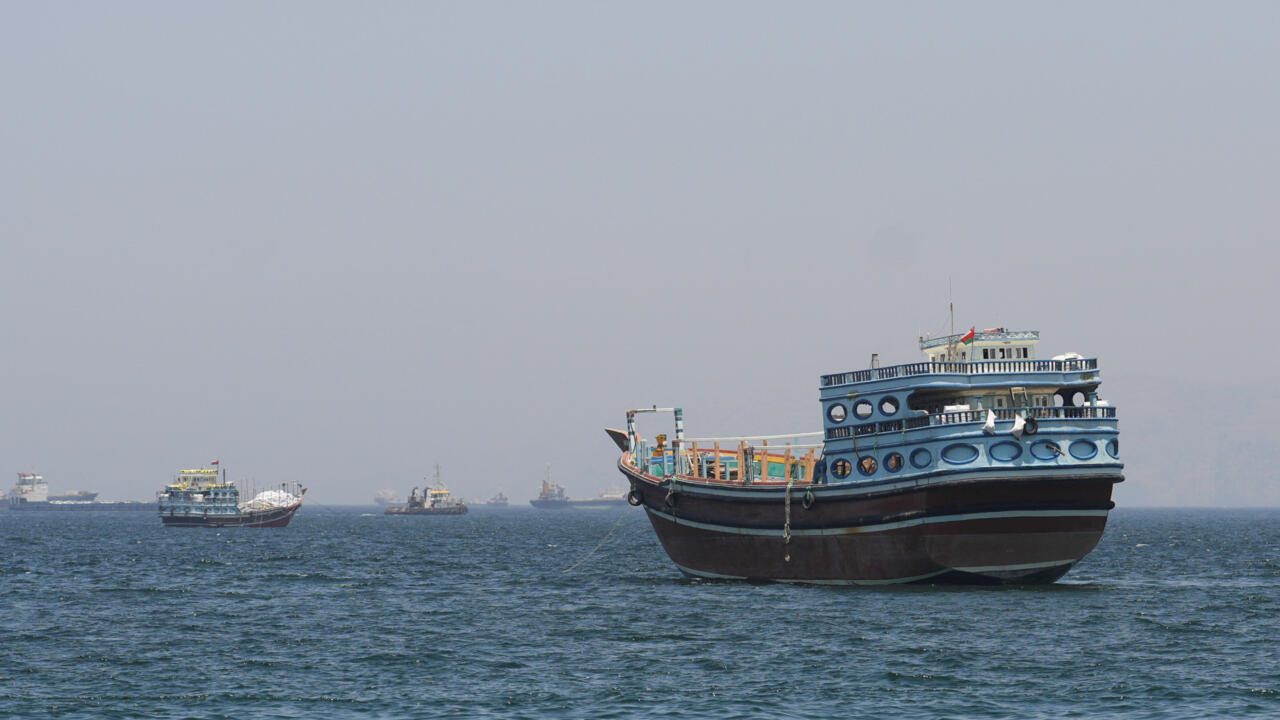
In the waters of the Strait of Hormuz, the situation remains volatile. US forces reported sinking six small Iranian ships, while Iranian state TV accused the US of killing five civilian passengers on two small boats, a claim denied by the US, which stated it attacked combat vessels. Amidst this confrontation, Seoul's Foreign Ministry announced that authorities will investigate the cause of a fire on a South Korean-operated ship in the Strait once the vessel is towed to a nearby port and damage is assessed.
Signs of potential thawing in the maritime chokepoint have emerged, with reports indicating the US Navy is loosening Iran's closure of the Strait of Hormuz. A US-flagged vehicle carrier, the *Alliance Fairfax*, successfully exited the Gulf via the strait accompanied by US military assets. This development has coincided with a easing of oil prices, with Brent futures falling 0.6% and WTI crude dropping 1.5% following the signs that the waterway is reopening to shipping.
The widening scope of the conflict has drawn condemnation from multiple regional actors. The UAE, a close US ally and key Arab partner of Israel, reported that its air defences engaged multiple missiles and drones. Previous incidents in the region have involved strikes on infrastructure in the Strait of Hormuz, including a hit on an Adnoc-affiliated tanker and a fire at the Fujairah port that injured three people, alongside reports of injuries in a residential building in Oman linked to the regional violence.
As the situation evolves, the focus remains on whether the recent exchanges of fire will lead to a breakdown of the truce or serve as a catalyst for the diplomatic efforts Saudi Arabia and the UK are championing. The interplay between military action in the Strait and the broader political stalemate continues to define the immediate security outlook for the region.