Recurring floods in Tunis expose gaps in infrastructure and governance
Heavy rain has once again paralysed Tunisia’s capital, trapping residents and disrupting services despite prior meteorological warnings and ongoing flood-protection projects.
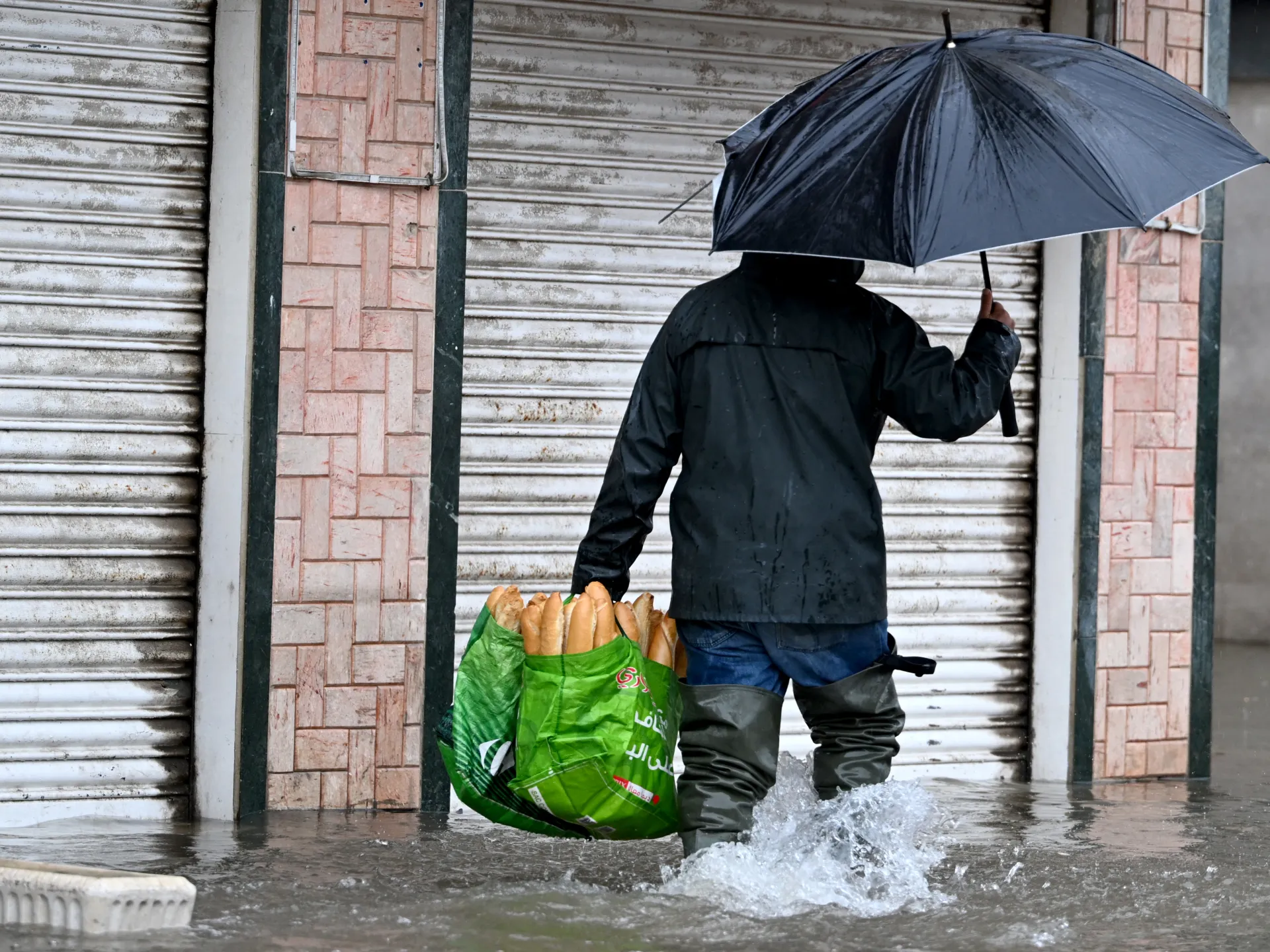
Heavy rain on Thursday brought parts of Tunis to a standstill, flooding roads and homes while trapping motorists and residents. The disruption extended to essential services, with reports of electricity and internet outages across the city. The tunnel leading to Bab Saadoun was completely closed, and online videos showed cars stranded in rising water and what appeared to be power lines catching fire.
The Greater Tunis region, home to nearly three million people, has faced repeated flooding in recent years. This event occurred only months after severe rains in January caused widespread disruption, leaving several people dead and significant damage. Despite the National Institute of Meteorology warning of locally heavy thunderstorms and potential power cuts, the decision to suspend classes was announced only shortly before it took effect. This late notice caused traffic congestion as parents rushed to schools to collect their children just as the rain intensified.
Local authorities have faced criticism for failing to complete preventive drainage work before the rainy season. At a government meeting in August, officials called for drainage networks and waterways to be cleaned and for flood-protection efforts to be accelerated. In response to these concerns, the government stated that 29 flood-protection projects are currently under way across the country. However, residents argue that the infrastructure remains vulnerable, with drains often overflowing with waste.
The timing of the flooding has added further pressure to the capital’s transport network. The disruption coincided with the return of students to schools and universities, increasing demand on roads and public transport. For many residents, the lack of reliable public transport has made car ownership a necessity rather than a luxury, as they seek to navigate the recurring infrastructure challenges.
The incident also occurred ahead of a national march scheduled for Saturday at 5pm. Organisers of the march are calling for the release of four activists detained in connection with the Al-Soumoud Flotilla. With rain forecast to continue through Saturday, the event may face further logistical hurdles if the weather conditions persist.
Residents have expressed frustration at what they perceive as a lack of long-term vision from the state. One resident noted that the situation deteriorated quickly, leaving people stranded by the roadside for hours waiting for public transport that did not arrive. While some acknowledged the role of citizens in blocking drainage channels with waste, the prevailing sentiment is that the government is repeatedly caught off-guard by seasonal rains.