EU carbon levy plans risk widening gap between budget and long-haul carriers
Proposed wider carbon levies within the European Union are expected to disproportionately impact budget airlines, potentially reshaping competitive dynamics in the bloc’s aviation sector.
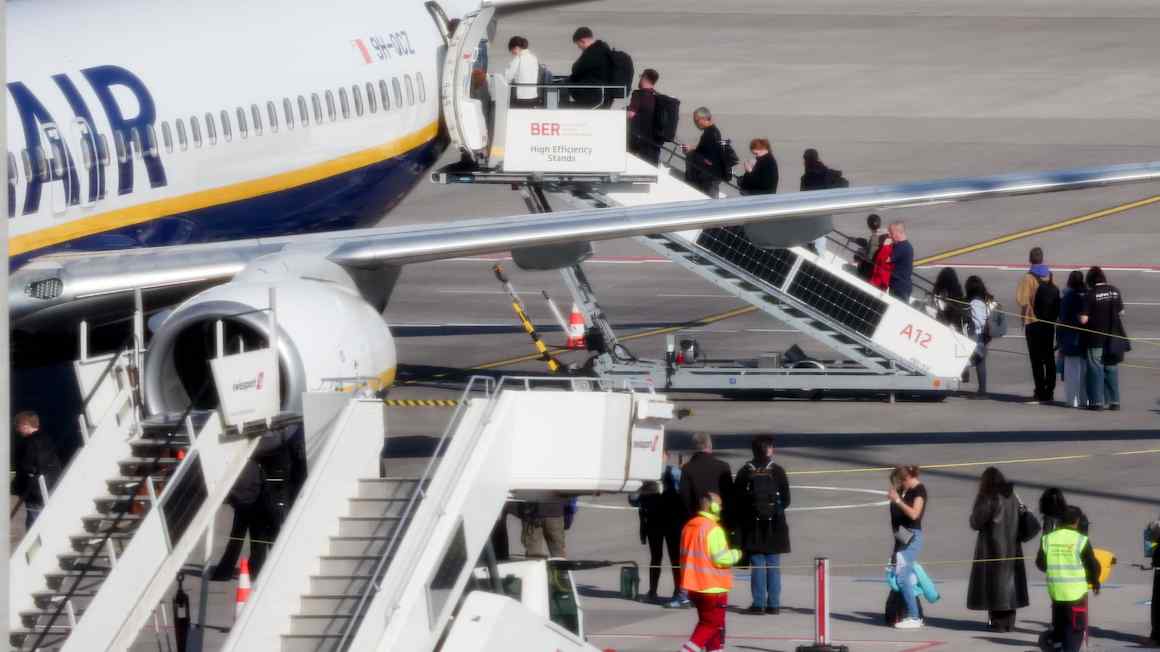
The European Union is advancing plans for a broader carbon levy on aviation, a move that analysts warn could create divergent outcomes for different segments of the industry. According to reporting by the Financial Times, the proposed structure is expected to disproportionately disadvantage low-cost carriers while potentially offering relative financial advantages to long-haul operators.
The distinction between these two groups is central to how the new environmental costs will be distributed. Low-cost carriers, which typically operate shorter routes with higher frequency, may find the levy structure offers little benefit compared to their longer-range counterparts. In contrast, long-haul carriers could see a more favourable position within the emerging regulatory framework.
This development highlights the complex interplay between environmental policy and market competition. While the overall industry faces a negative cost burden from increased emissions pricing, the specific design of the levy appears to favour operators on longer routes. The precise extent of these advantages, however, remains undefined in the current proposals.
Details regarding the specific mechanics of the levy, including exact rates or implementation timelines, have not been disclosed. The Financial Times reports indicate that the focus is currently on the structural impact of the policy rather than its specific numerical parameters.
As the EU continues to explore mechanisms to regulate carbon emissions in aviation, the differential impact on budget versus long-haul carriers will likely become a key point of contention. The proposed plans suggest a shift in competitive dynamics that could reshape the landscape for airlines operating within the European bloc.