Putin’s Kuril Islands visit deepens diplomatic rift with Japan
Japanese Prime Minister Sanae Takaichi condemns the move as unacceptable, while experts warn that constitutional barriers and energy dependencies leave little room for diplomatic reversal.
Russian President Vladimir Putin has made the first-ever visit to the disputed Kuril Islands, a diplomatic escalation that has drawn sharp condemnation from Tokyo and further fractured bilateral relations between the two nations. The visit, which included tours of a school, hospital, and industrial facilities on the island of Iturup, occurred just two days before the 81st anniversary of Japan’s surrender in World War II.
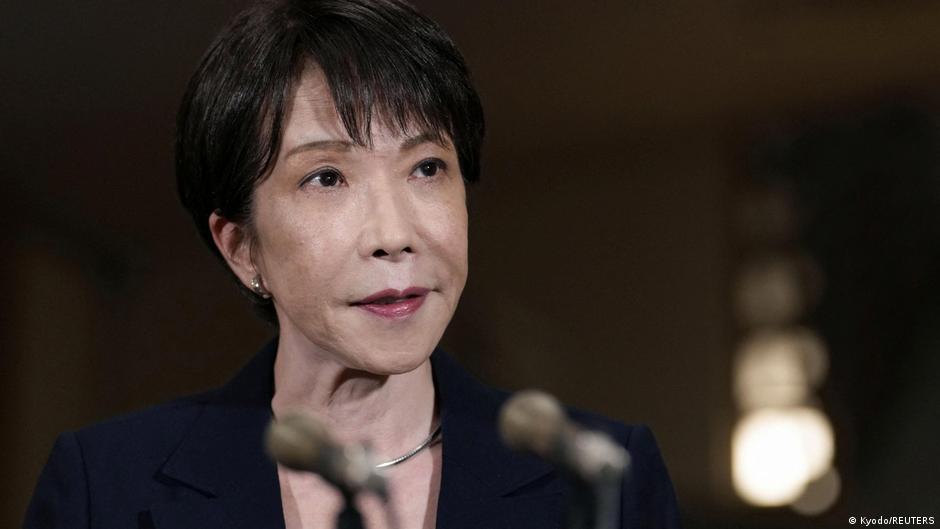
Japanese Prime Minister Sanae Takaichi described the visit as “absolutely unacceptable” in a social media post, reiterating that the islands, which Japan refers to as the Northern Territories, are inherently Japanese territory. In response to the incursion, Japan summoned the Russian ambassador and lodged a formal diplomatic protest. The Russian Foreign Ministry countered that the islands remain an integral part of Russia.
Analysts suggest the timing and nature of the visit were calculated to send a specific message to Japan regarding its support for Ukraine and its deepening security ties with NATO. James Brown, a professor of international relations at Temple University’s Tokyo campus, told Deutsche Welle that the move was clearly intended to punish Japan for its alignment with Western powers. He noted that the visit also serves a domestic function, aiming to generate patriotic support among Russians across the political spectrum.
The territorial dispute, which has prevented the signing of a formal peace treaty since the end of World War II, has become increasingly intractable. Following the collapse of the Soviet Union, successive Japanese governments, including former Prime Minister Shinzo Abe, pursued diplomatic avenues to resolve the issue. However, Russia’s 2020 constitutional amendment, which prohibits ceding any part of its territory to a foreign power, has effectively closed the door on such negotiations.
Toshimitsu Shigemura, a professor of politics at Waseda University, argued that the visit represents a strategic attempt to weaken Prime Minister Takaichi, whose domestic poll numbers are reportedly softening. Shigemura highlighted Japan’s reliance on Russian energy imports, particularly given the regional situation involving Iran, as a factor limiting Tokyo’s ability to impose further sanctions. He asserted that the combination of constitutional barriers and nationalist sentiment makes the return of the islands impossible, regardless of future changes in Russian leadership.