Putin singles out Schröder as preferred mediator for Ukraine conflict
Russian President Vladimir Putin has identified former German Chancellor Gerhard Schröder as his preferred interlocutor for peace talks, a suggestion German officials dismissed as part of a series of insincere overtures from Moscow.
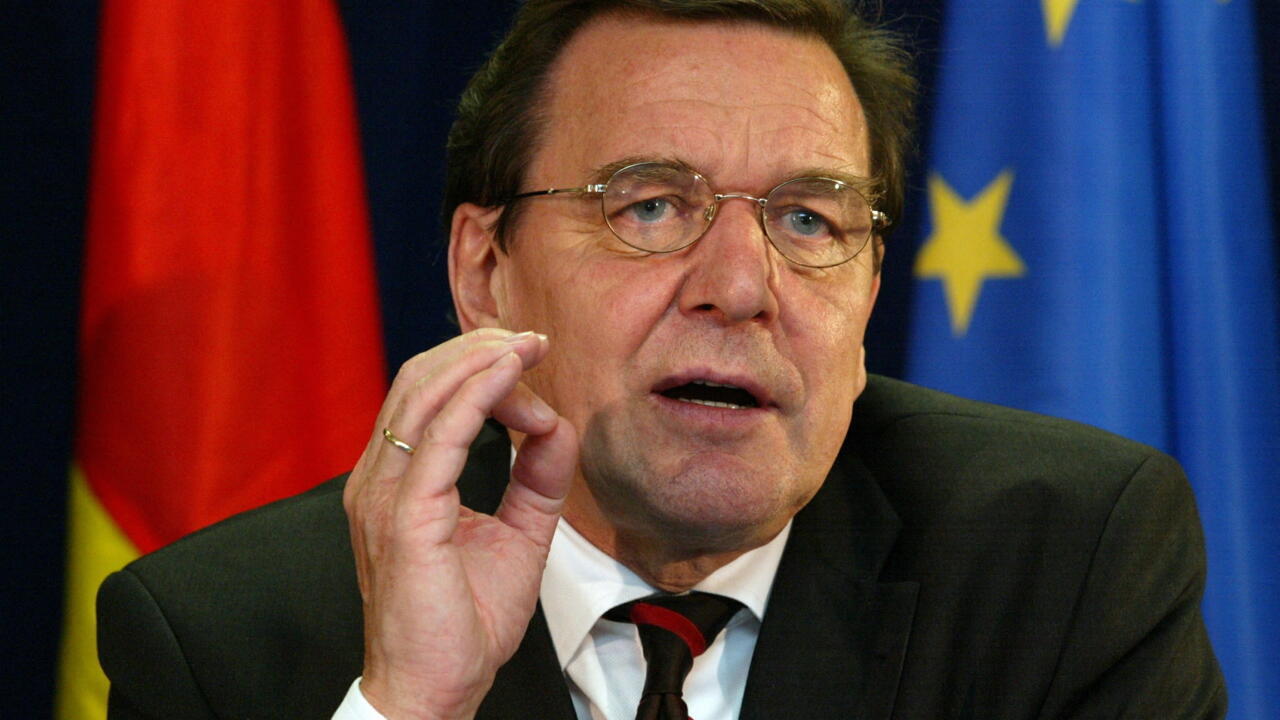
Russian President Vladimir Putin stated on Saturday that he would personally prefer former German Chancellor Gerhard Schröder to act as a mediator in the war in Ukraine. The proposal, issued during Victory Day celebrations, marks a specific endorsement of Schröder as the preferred European politician to conduct discussions aimed at concluding the conflict.
German officials have reacted cautiously to the suggestion, with government sources telling AFP that they have taken note of the comments but remain unconvinced. The proposal has been dismissed by many in Berlin as part of a series of bogus offers from Moscow, reflecting deep scepticism regarding the sincerity of such diplomatic initiatives.
Schröder, 82, remains a controversial figure in Germany due to his perceived closeness to the Kremlin and his failure to publicly condemn the 2022 invasion of Ukraine. His history includes maintaining close ties with the Russian leadership since leaving office in 2005, as well as previously holding key roles in Russian energy projects, including work on the Nord Stream pipelines and a board seat at Rosneft.
Within the German Social Democratic Party (SPD), opinions on the matter are divided. While some members, including former lawmaker Michael Roth, argue that a mediator cannot be "Putin's buddy" and must be accepted by Kyiv, others suggest Europe should seize every possible chance to prevent Russia and US President Donald Trump from deciding Ukraine's future alone.
The broader context of the proposal includes ongoing espionage concerns between Poland and Russia, with authorities recording an unprecedented number of Russian espionage cases. German officials have noted that a genuine test of Moscow's intentions would be whether they extend the current three-day truce, rather than relying on high-profile but potentially insincere diplomatic gestures.
Despite the scepticism, some factions within the SPD, such as Ralf Stegner, argue that the proposal needs to be carefully considered with European partners. Conversely, liberal politician Marie-Agnes Strack-Zimmermann has expressed serious doubts regarding Schröder's suitability as a go-between, highlighting the polarised nature of the debate within Germany's coalition government.