Putin singles out Schröder as preferred European interlocutor for Ukraine peace process
Moscow suggests the eight-decade-old conflict is nearing an end as EU leaders prepare for direct negotiations
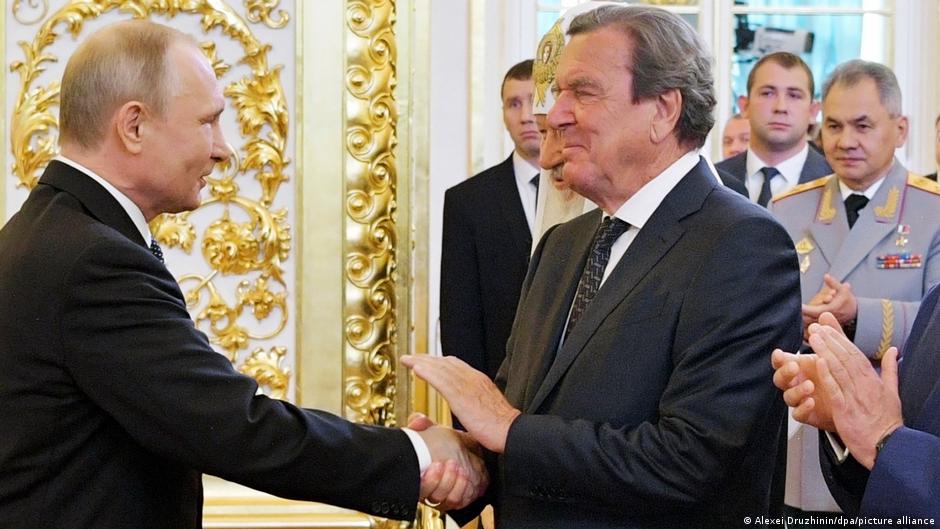
Russian President Vladimir Putin has identified former German Chancellor Gerhard Schröder as his preferred European politician to mediate peace talks aimed at concluding the war in Ukraine. Speaking to reporters at the conclusion of Victory Day celebrations, the Kremlin leader stated that among all European politicians, he would prefer to conduct discussions with Schröder. This specific endorsement marks a shift in diplomatic overtures, with Putin asserting his belief that the four-year conflict is now heading toward an end.
The proposal coincides with a three-day ceasefire currently being observed by Kyiv and Moscow. This truce was announced on Friday by US President Donald Trump following negotiations brokered by Washington. While the United States continues to lead mediation efforts, the announcement aligns with reports that European Union leaders are quietly preparing for potential direct negotiations with both warring parties. European Council President Antonio Costa indicated that the bloc is ready to engage in separate talks with the sides involved when the appropriate moment arrives, reflecting growing frustration with US-led initiatives.
Schröder's office declined to comment on the suggestion, leaving the former chancellor's willingness to accept the role uncertain. The 82-year-old politician has long been known for his close personal friendship with Putin and his subsequent role in Russian energy companies after leaving active politics, a background that has frequently courted controversy. This duality is highlighted by his recent writings in the Berliner Zeitung, where he described the Russian invasion as contrary to international law while simultaneously urging Germany to restart imports of Russian energy that were cut during the conflict.
The timing of Putin's remarks suggests a strategic alignment with the current ceasefire window, though the timeline for any formal peace talks remains undefined. While the EU expresses concern regarding the efficacy of US mediation, Moscow appears to be seeking a specific European figure to facilitate dialogue. The lack of an immediate response from Schröder's team does not necessarily indicate a definitive rejection, but rather a lack of immediate comment on a proposal that carries significant historical and political weight given his past associations with the Kremlin.