PSG wary of agent influence as Barcola exit looms
Paris Saint-Germain’s management is scrutinising the growing power of agent Moussa Sissoko, a development that has emerged alongside the likely club-record sale of Bradley Barcola to Liverpool.
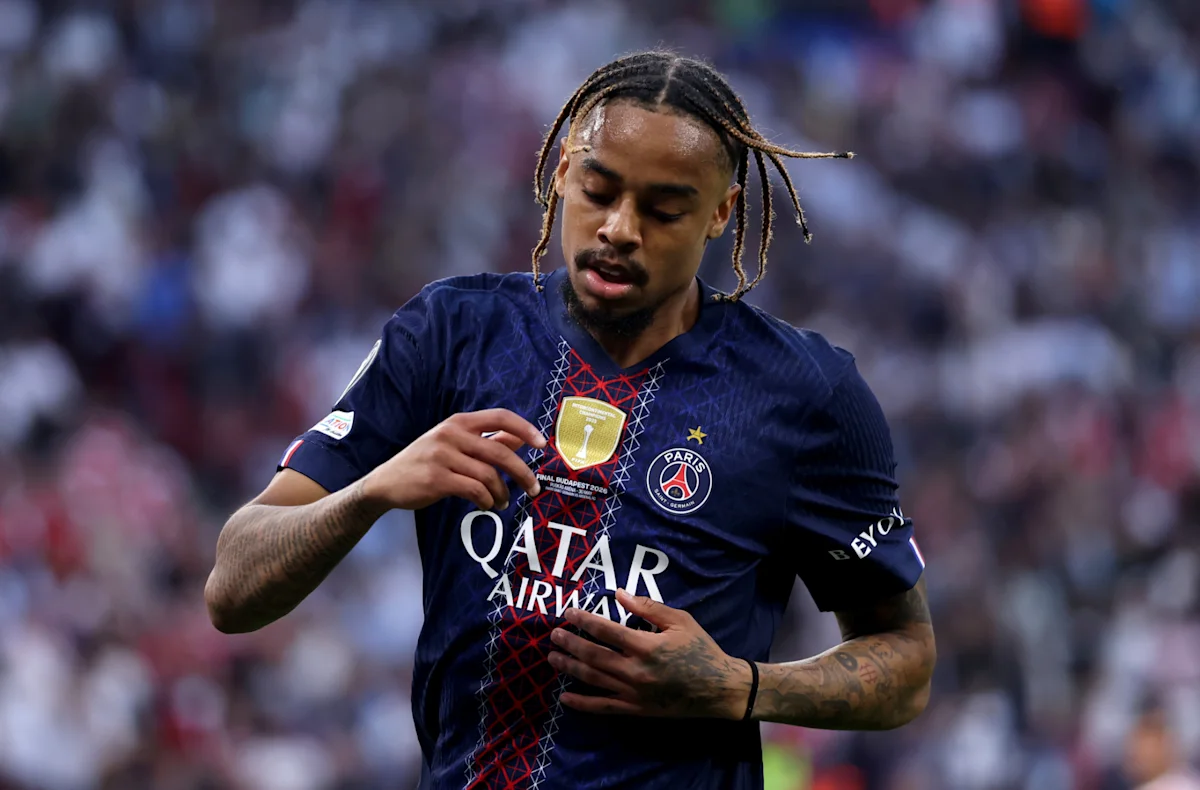
Paris Saint-Germain has completed significant squad reinforcements by signing Ferran Torres and Mika Godts, yet a quieter internal development is drawing the attention of club leadership. The Ligue 1 champions are reportedly concerned about the expanding influence of agent Moussa Sissoko, a figure whose role in player movements has begun to resemble a distinct pattern within the organisation.
The central issue revolves around the ongoing saga involving winger Bradley Barcola and Liverpool. It is increasingly likely that the French international will depart for Anfield in a transaction that would set a new club record. This potential fee is expected to far eclipse the €90 million paid by Al-Hilal for Neymar in 2023, with estimates suggesting the sum could cover the combined transfer costs of the recently acquired Torres and Godts.
While sporting director Luis Campos and head coach Luis Enrique may not have preferred to lose Barcola at the start of the summer, the departure aligns with the club’s stated philosophy of not retaining unhappy players. Barcola was not a guaranteed starter, but his raw pace and acceleration made him a critical attacking alternative, a loss that the management is weighing against the financial benefits.
The core of the concern lies in the extent of Sissoko’s sway over the player. Reports suggest it may never be fully known how much Barcola’s decision was influenced by his agent, but the situation has highlighted a potential structural issue. The club views this emerging pattern of agent power as a problem that could become significant if not addressed in future governance.
This scrutiny comes as PSG consolidates its status as defending Champions League title holders, having secured back-to-back trophies by defeating Arsenal in the final. The club is now tasked with balancing immediate squad needs against the long-term implications of external influence on its player roster.