Pressure mounts on FAI as Irish sporting figures call for Nations League boycott of Israel
An open letter signed by prominent athletes and artists urges the Football Association of Ireland to cancel the upcoming match against Israel, citing humanitarian concerns and regulatory breaches.
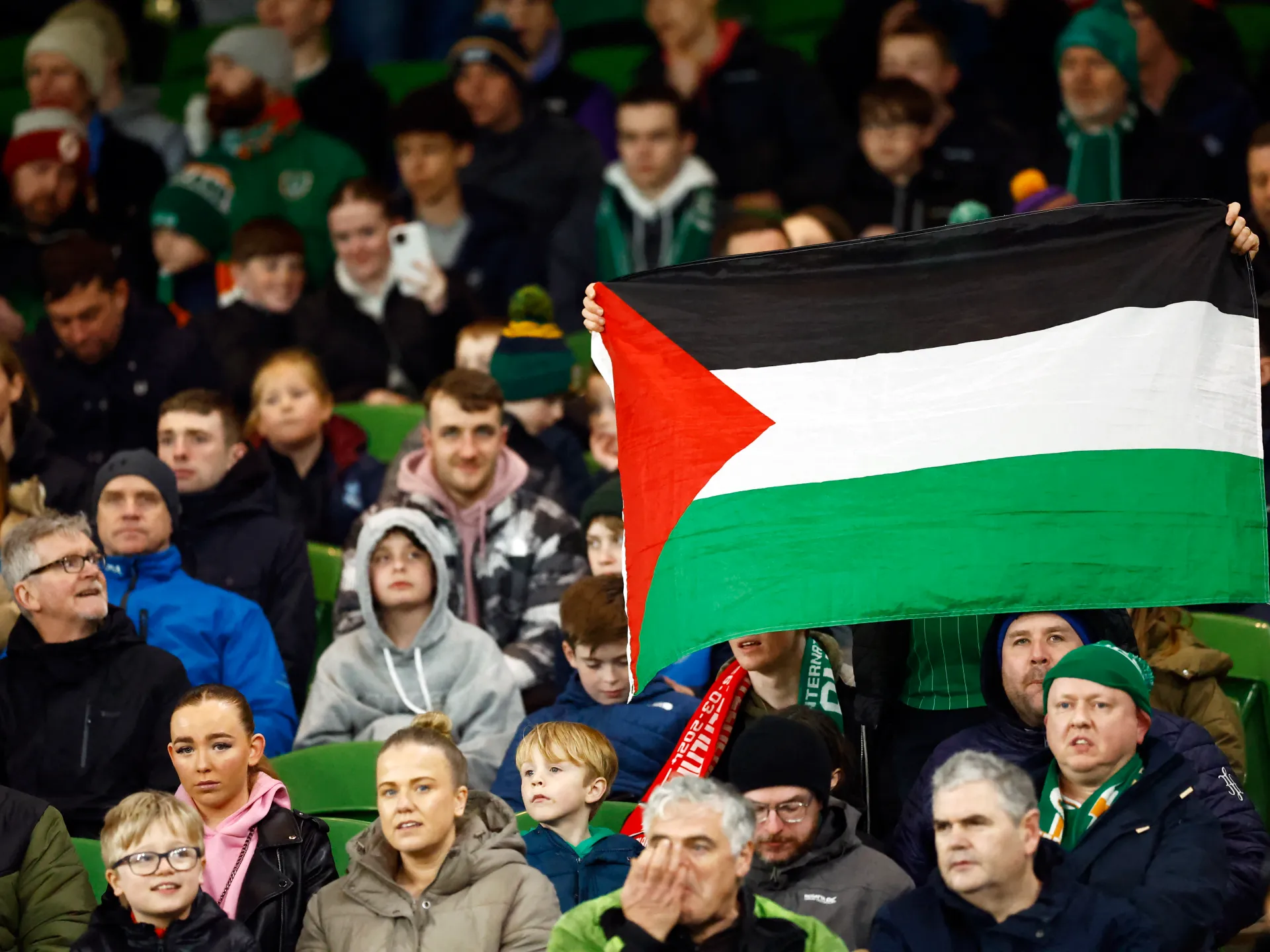
A coordinated campaign led by the group Irish Sport for Palestine has intensified pressure on the Football Association of Ireland to boycott the upcoming UEFA Nations League fixture against Israel. The initiative, titled "Stop the Game", is an open letter addressed to the FAI that alleges the Republic of Ireland should not participate in a match scheduled for October 4 at Dublin's Aviva Stadium. The campaign asserts that Israel is engaging in genocide in Gaza and is in breach of UEFA and FIFA statutes by playing on what it describes as occupied Palestinian land.
The letter carries the weight of significant sporting and cultural figures within Ireland, including League of Ireland players, former men's coach Brian Kerr, and twice women's player of the year Louise Quinn. It also includes signatures from prominent cultural entities such as the rock band Fontaines D C, the hip-hop trio Kneecap, singer Christy Moore, and Oscar-nominated actor Stephen Rea. Shamrock Rovers captain and chair of the Professional Footballers' Association of Ireland, Roberto Lopes, issued a supporting statement, arguing that the humanitarian catastrophe in Palestine must take precedence over sporting considerations.
While the campaign highlights a mandate from November 2025 where 93 percent of FAI members voted to press UEFA to suspend Israel under existing statutes, the governing body maintains a different stance. FAI Chief Executive David Courell has previously stated that the national team must fulfil its obligations to avoid harming the long-term sporting interests of Irish football, noting that non-compliance could result in disqualification from future competitions. The FAI argues that the team has no choice but to proceed with the fixture to protect the integrity of Irish football.
The political dimension of the fixture has drawn a sharp response from the Irish government. Prime Minister Micheal Martin has publicly stated that the matches should proceed, emphasising that sport should not be used as a political tool. Despite this, the Taoiseach acknowledged that Ireland has strongly criticised Israeli policy in Gaza and condemned the Hamas attack on Israel, yet he maintained that sport remains a distinct arena. Ireland is set to host the Israeli side at the Aviva Stadium, while the designated home match for Israel on September 27 is expected to be staged at a neutral venue.
Public sentiment among supporters appears to align more closely with the boycott campaign than the official position. A poll conducted by the Irish Football Supporters Partnership found that 76 percent of respondents oppose the fixture being played. This data suggests a significant disconnect between the governing body's strategic outlook and the views of the fanbase, raising questions about the FAI's ability to navigate the intersection of sporting duty and public expectation.
Israel has firmly denied accusations that its forces have committed genocide during the war in Gaza, maintaining that its actions are defensive in nature. The backdrop of the dispute includes historical context regarding Israel's participation in UEFA competitions since the early 1980s, following its exclusion from Asian Football Confederation events in the 1970s due to similar boycotts. As the October 4 match approaches, the FAI faces the challenge of balancing its regulatory obligations with the growing domestic demand to prioritise the humanitarian situation in Palestine over the calendar.