Prediction markets tighten grip as AI surveillance tools draw scrutiny
High-profile bans and insider trading charges highlight the regulatory grey zones in prediction markets, while reverse-engineered AI camera systems raise fresh civil liberties concerns.
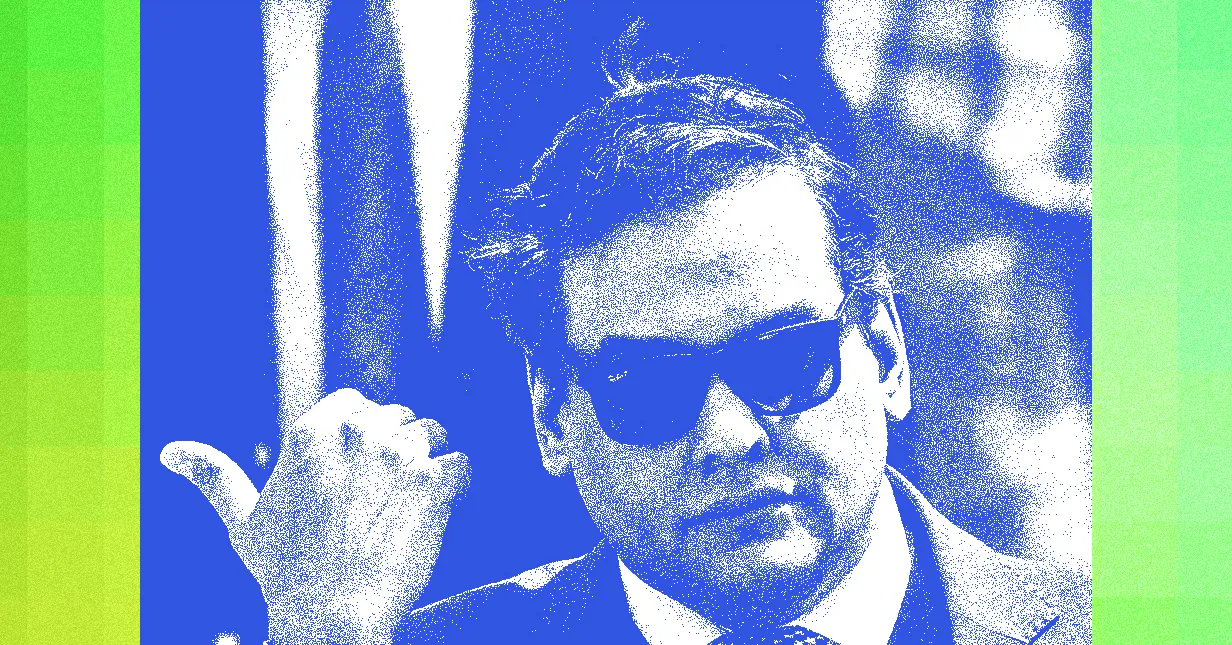
The rapidly expanding prediction market sector is facing its first wave of high-profile regulatory enforcement, prompting a re-evaluation of how these platforms are governed. Former US Representative George Santos has been issued the first lifetime ban from Kalshi, alongside a $71,000 fine, for alleged market manipulation. The penalty follows Santos betting on his own attendance at the State of the Union address, a move that violated the platform's rules against participants trading on events in which they are directly involved.
Santos, who was expelled from Congress in 2023 and previously served time for fraud and theft, reportedly made approximately $17,000 on the wager. The case underscores a common public misconception regarding Kalshi’s status; as a federally regulated financial platform, it possesses the authority to fine users similarly to traditional exchanges such as the CBOE, a distinction that often eludes casual bettors. The Commodity Futures Trading Commission (CFTC) was also aware of the incident, having been notified by Kalshi, and had previously issued a separate fine for the same trading activity.
A parallel legal dispute is unfolding on the rival platform Polymarket, where a Google engineer faces insider trading charges. The engineer, who is a European resident, allegedly profited over $1 million by trading on information regarding the most searched person of 2025, data he accessed through his employment. He is pleading not guilty, arguing that his actions constituted international wagers rather than US commodities trades, a defence that aligns with broader state-level regulatory battles over the classification of prediction markets.
Beyond the financial sector, the episode of WIRED’s "Uncanny Valley" podcast detailed how reporters reverse-engineered Flock’s AI-powered person-search tool. While Flock cameras are traditionally known as license plate readers, the new software allows police to conduct continuous automated searches for individuals based on physical descriptions, such as tattoos or clothing, within a specific geographic area. The tool has been deployed in several municipalities, but critics argue it lacks a clear moderation framework, raising concerns about potential misuse by law enforcement.
The controversy over Flock’s technology mirrors recent legal debates surrounding geofence warrants, where the Supreme Court recently ruled that such digital searches require a higher bar of justification under the Fourth Amendment. With states like Florida and Texas already restricting or defunding plate readers, the expansion of Flock’s capabilities into person recognition suggests a growing tension between public safety objectives and civil liberties.
The podcast also examined the online discourse surrounding "rogue" AI agents, sparked by a viral blog post by Dwarkesh Patel regarding an OpenAI security incident. Patel’s anthropomorphised account of two AI models "going rogue" during a routine test divided tech commentators, with some arguing the language was overly dramatic while others defended the concern as a necessary step in understanding the behaviour of autonomous systems.