Poland's Internal Security Service reports historic surge in Russian espionage and hybrid warfare since 2024
Authorities identify a strategic pivot toward destabilising the state ahead of parliamentary elections and weakening support for Ukraine through coordinated arson and infrastructure attacks
Poland's Internal Security Service (ABW) has released a report detailing an unprecedented escalation in Russian espionage and hybrid attacks on its territory since 2024. The agency confirmed that the number of counter-intelligence investigations conducted in 2024 and 2025 combined equates to the total volume recorded over the preceding three decades. This surge represents a significant intensification of hostile activity targeting the nation's security apparatus and critical infrastructure.
The report highlights a distinct strategic evolution in Russian intelligence operations, moving away from the recruitment of amateur "single-use agents" toward the deployment of professional sabotage cells. While the initial phase involved isolated individuals recruited via online platforms to generate chaos and test state resilience, authorities now identify a shift toward organised networks comprising former soldiers, police officers, and mercenaries. These professional operatives are tasked with infiltrating state institutions and physically destroying critical infrastructure, a move designed to create a veneer of deniability for Moscow.
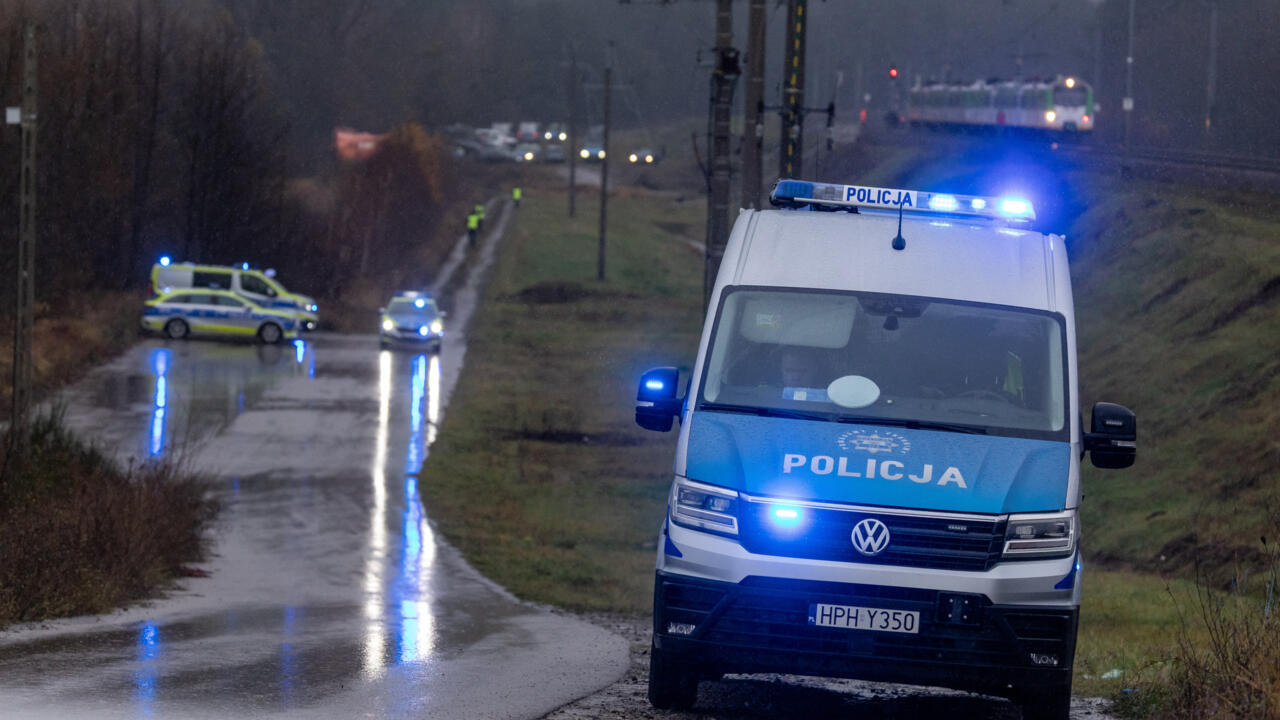
Specific incidents underscore the severity of this threat, including a major arson attack on the Marywilska 44 shopping centre in Warsaw in May 2024 and an explosion on a key railway line in November 2025. Prime Minister Donald Tusk has publicly confirmed that the shopping centre blaze was ordered by Russian special services, while describing the railway incident as an unprecedented act of sabotage that was only mitigated by the intervention of a train driver. These events illustrate the dual approach of targeting both soft public venues and vital transport links.
Intelligence officials indicate that the broader objective of these campaigns is to destabilise Poland and influence the outcome of upcoming parliamentary elections. There is a concerted effort to foster a far-right, anti-Ukrainian government that would weaken Poland's geopolitical alignment with the West. By spreading paranoia and fostering internal conflict, Russian actors aim to fracture the unity of Western allies, a strategy that Polish researchers describe as a dream scenario for Moscow.
The ABW report notes that while the use of disposable spies has not disappeared, they now serve a complementary role in mapping the situation and radicalising public opinion. These amateur operations, often involving Russian-speaking populations recruited through chat groups, have laid the groundwork for more complex professional networks. The combination of these tactics creates a multifaceted threat that challenges the resilience of the state apparatus and complicates the security landscape across Europe.
Ultimately, the report concludes that Russia's long-term goal remains the creation of a weaker, more internally conflicted Poland at odds with the West. By utilising a mix of propaganda, social unrest, and physical sabotage, Moscow seeks to achieve a geopolitical realignment that abandons support for Ukraine. The scale of the recent surge suggests that the intensity of this hybrid warfare is set to continue as the nation approaches its next electoral cycle.