Poland and Ukraine in diplomatic crisis as Warsaw revokes Zelenskyy’s highest honour
President Karol Nawrocki strips Ukrainian leader of Order of the White Eagle; Prime Minister Donald Tusk warns of strategic error benefiting Russia
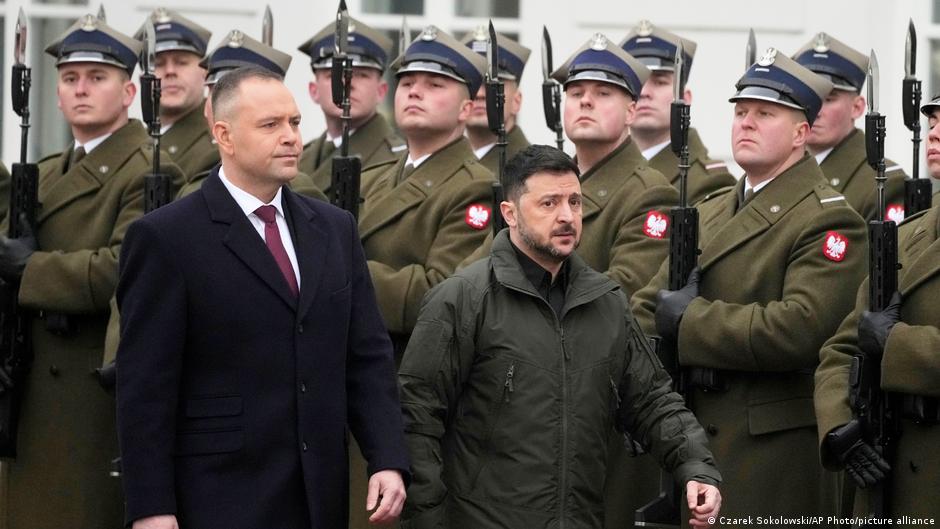
Poland has revoked the Order of the White Eagle, its highest state honour, from Ukrainian President Volodymyr Zelenskyy, escalating a long-simmering historical dispute into a full diplomatic crisis. The decision, announced by Polish President Karol Nawrocki, directly challenges Kyiv’s recent decree granting the honorary title "Heroes of the UPA" to a Ukrainian special forces unit. The move has triggered a swift and unified response from Ukrainian leadership, with Zelenskyy and several former presidents returning their own Polish honours in solidarity.
The Order of the White Eagle was originally bestowed upon Zelenskyy in 2023 by Nawrocki’s predecessor, Andrzej Duda, during a period of heightened military and political alliance following Russia’s full-scale invasion in February 2022. However, the relationship has deteriorated sharply over the past month. The current rift centres on the legacy of the Ukrainian Insurgent Army (UPA), which Poland condemns for the Volhynia massacres of Polish civilians during World War II. While Ukraine views the UPA as fighters against Soviet oppression, the Polish parliament declared the group’s actions genocide in 2016.
In a video statement posted on social media, Nawrocki justified the revocation by citing principles regarding the rejection of totalitarianism and the "cult of violence." He explicitly threatened to block Ukraine’s accession to the European Union, stating that Poland would not allow entry for those who do not understand these historical imperatives. Zelenskyy responded by returning the order via the private courier service Nova Post, accusing Nawrocki of leveraging the issue for domestic political gain ahead of Poland’s 2027 parliamentary elections.
The diplomatic fallout has extended beyond the presidency. Three of Ukraine’s four living former presidents, along with the Foreign Minister and the Presidential Chief of Staff, returned their Polish honours. Ukrainian Foreign Minister Andrii Sybiha stated that Ukraine would mirror Poland’s actions, though he did not specify the reciprocal measures. Sybiha accused Nawrocki of becoming a "destroyer of positive progress" and noted that the president receives applause from Moscow, suggesting the move aids Russian propaganda.
Polish Prime Minister Donald Tusk, who must countersign the revocation document, has criticised the decision as a "strategic mistake" that benefits Russia. Tusk acknowledged the scandal of renaming the special forces unit but warned that wading into the political conflict between Warsaw and Kyiv harms Poland’s geopolitical and reputational standing. Meanwhile, a group of Polish intellectuals and activists awarded Zelenskyy a newly created "Civilian Order of the Future" to demonstrate that many Poles refuse to be turned against their Ukrainian neighbours.
The dispute marks the most serious tension between the two allies since the 2022 invasion, threatening a cautious process of addressing the past that had seen Ukraine agree to exhume mass graves in Volhynia. The crisis also places Tusk in a difficult position, balancing pressure from right-wing critics who support Nawrocki’s hardline stance against the need to maintain vital security ties with Kyiv. Analysts suggest the president’s actions are part of a broader domestic political battle against Tusk’s centre-left government, aiming to smooth the path for right-wing opposition parties in the upcoming election cycle.