PIMS fire exposes governance gaps in Pakistan’s maternal health infrastructure
The suspension of the Federal Health Secretary following the death of 14 infants at the Pakistan Institute of Medical Sciences highlights conflicting institutional narratives regarding emergency protocols and security measures.
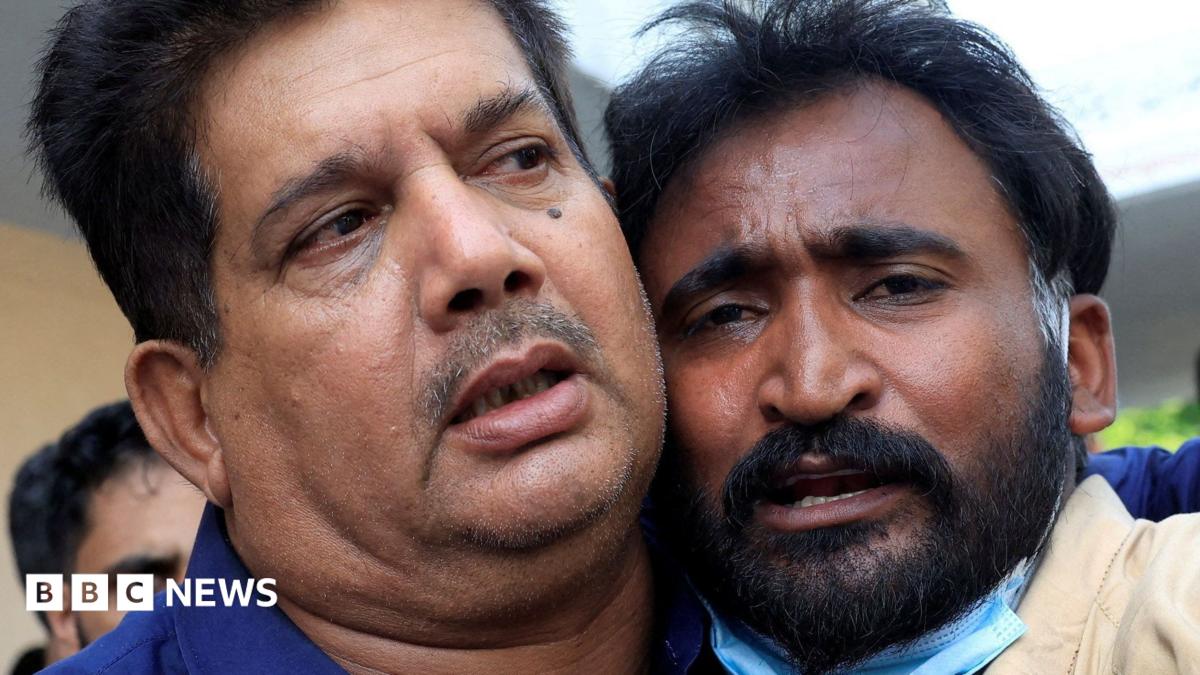
Fourteen infants lost their lives in a fire at the Pakistan Institute of Medical Sciences (PIMS) in Islamabad, an incident that has triggered a high-level government review of hospital safety standards. The blaze, which originated in an air-conditioning unit on the third floor of the mother and child unit, occurred just after dawn on Wednesday. Of the 15 babies present in the ward, only one was saved, prompting Prime Minister Shehbaz Sharif to order an immediate investigation into the circumstances surrounding the tragedy.
In a decisive move to signal institutional accountability, Sharif suspended Federal Health Secretary Aslam Ghauri, a senior official in the health department. The Prime Minister’s office described the situation as "irreparable," reflecting the political weight of the disaster. However, the core of the controversy lies in the discrepancy between witness accounts and official explanations regarding the response time and access to the ward.
Witnesses reported significant delays in rescue efforts, with some stating that the maternity ward door was locked, trapping patients inside. One mother, Jaweria, claimed she waited two hours for help, while police arrived only after four hours. Conversely, Rana Imran Sikander, the hospital’s executive director, told the BBC that the door was not locked but was manned by security guards. This measure, he stated, was implemented to prevent baby theft, a recurring issue in Pakistani government hospitals.
The conflicting narratives extend to the arrival of emergency services. Islamabad’s Chief Commissioner, Sohail Ashraf, asserted that rescue teams reached the scene "immediately" after the emergency call was made. This official stance contradicts testimonies from relatives and onlookers who described a wait of up to two hours, during which rescue teams were reportedly forced to smash windows to control the flames.
The incident underscores broader structural issues within Pakistan’s public health infrastructure. PIMS, a major state-run facility with 156 beds in its maternal and child health unit, is now under scrutiny for inadequate fire safety protocols. A father of a deceased infant told Reuters that the building lacked proper exits and fire security, with multiple doors reportedly kept closed to restrict visitor access.
This tragedy follows a pattern of major fires in Pakistan, often attributed to poor safety laws, building codes, and lax enforcement. In January this year, a fire at a Karachi shopping mall killed dozens, with survivors citing locked exits as a contributing factor. The PIMS fire now serves as a focal point for questions about whether security measures intended to protect infants inadvertently compromised their safety during an emergency.