Pezeshkian signals readiness for peace as US threatens 'economic D-Day'
Iran’s president argues the nation is in a position of strength, even as Washington prepares what it calls the greatest coordinated economic isolation in history.
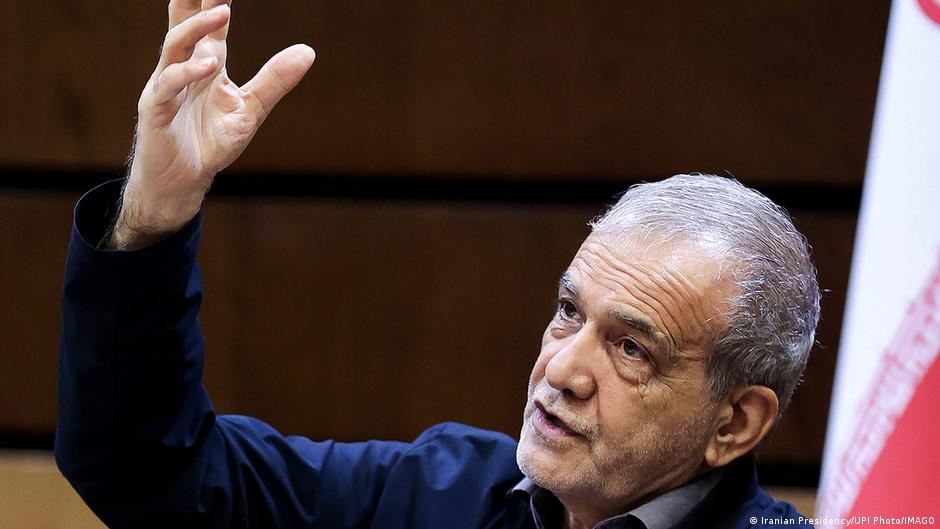
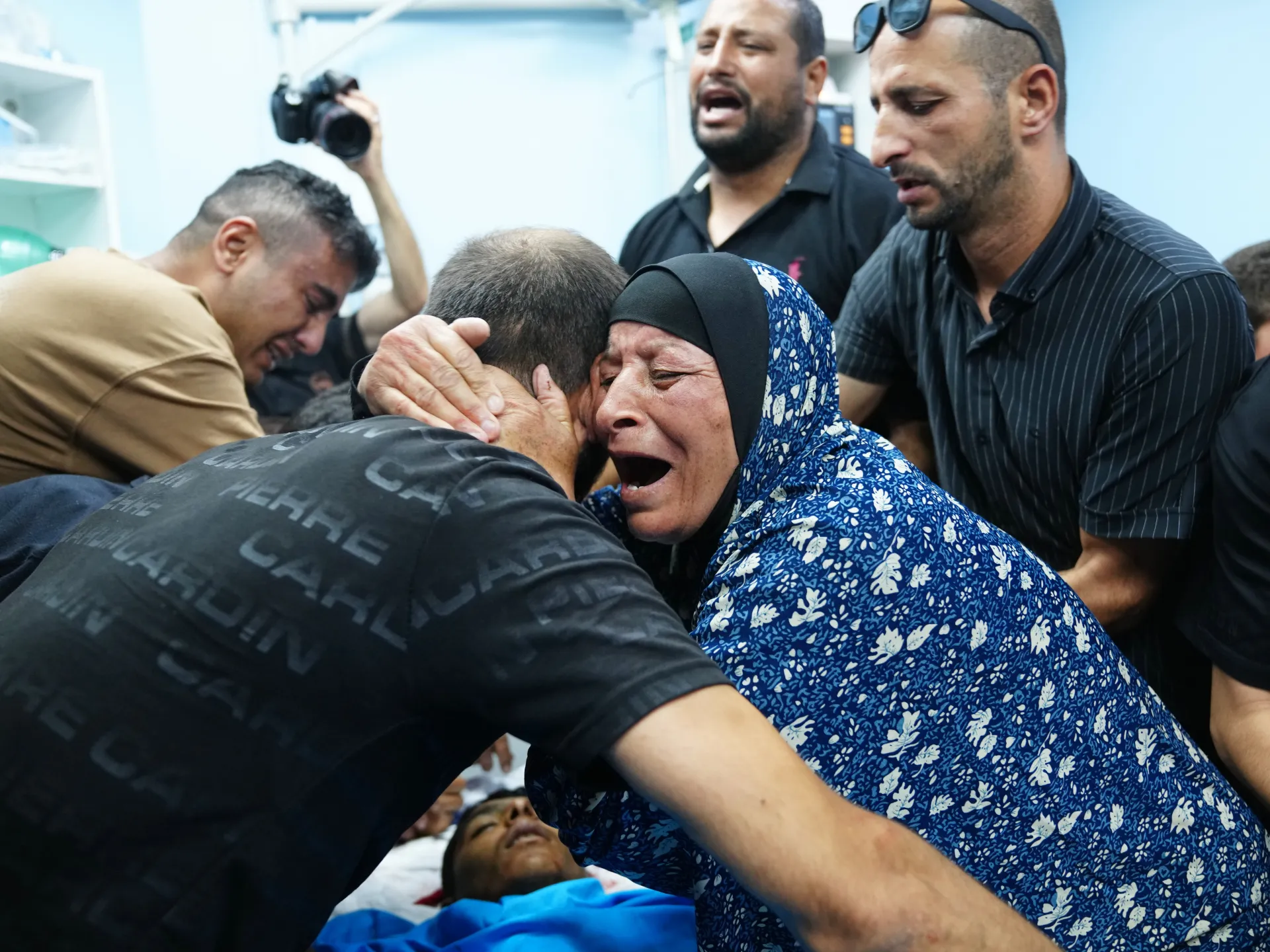
Iranian President Masoud Pezeshkian has declared that the current moment is opportune to end the war with the United States, asserting that Tehran is in a position of strength and dignity. Speaking at a medical conference on Friday, Pezeshkian suggested a willingness to negotiate, stating that the world acknowledges Iran’s victory in the conflict. He further claimed that American forces attacked schools, hospitals, and infrastructure in violation of regulations, a narrative intended to bolster Iran’s diplomatic standing.
These diplomatic overtures come against a backdrop of stalled negotiations. A partial truce agreed in June expired without progress or renewal on Monday, leaving the status of the ceasefire in an ambiguous state. While Tehran continues to severely limit shipping through the Strait of Hormuz, the United States is enforcing what it describes as a blockade of Iranian ports. Pezeshkian defended the 15-point Memorandum of Understanding signed in June, arguing that no clause indicates capitulation and that the commitments largely concern the United States.
However, the president’s call for peace is complicated by escalating economic threats from Washington. US President Donald Trump recently threatened Iran with what he termed an "economic D-Day," describing it as the most crushing economic operation ever taken against another country. The US administration aims to stop Iran’s trading partners from providing any type of lifeline to the regime. Treasury Secretary Scott Bessent characterised the planned sanctions as the greatest coordinated economic isolation in history, claiming the pressure would collapse the Iranian regime and make large-scale military operations unnecessary.
The extent of this economic pressure remains uncertain, given that Iran has withstood approximately half a century of US sanctions and conducts almost no direct trade with Washington. Bessent declined to comment publicly on whether China, Iran’s most important trading partner, would be asked to join the isolation efforts. This ambiguity has led to mixed messaging from both sides, with the US and Iran frequently combining apparent overtures for peace with sharp threats.
In response to the US economic strategy, Iranian military leaders have warned of decisive retaliation. Major General Ali Abdollahi, chief of Iran’s armed forces, stated that Iran’s forces are prepared across land, sea, air, air defence, and cyberspace. He warned that the armed forces would respond to new threats with crushing, punishing, and devastating responses if the US attempts to further isolate the country.
Chief negotiator and parliamentary speaker Mohammad Qalibaf has also voiced a call to intensify negotiations. Speaking in Iraq, Qalibaf suggested that Washington appears to have concluded it could not prevail in a direct military confrontation. He emphasised the need to make plans to deal with unjust sanctions, reflecting a broader pattern where Iranian political representatives adopt a slightly more diplomatic posture than their military or theocratic counterparts.