Freedom 250 Grand Prix: A $35m test for Washington’s historic core
The 147-lap IndyCar race transforms the capital into a professional circuit, raising questions over infrastructure costs, heritage preservation, and the extent of presidential influence.
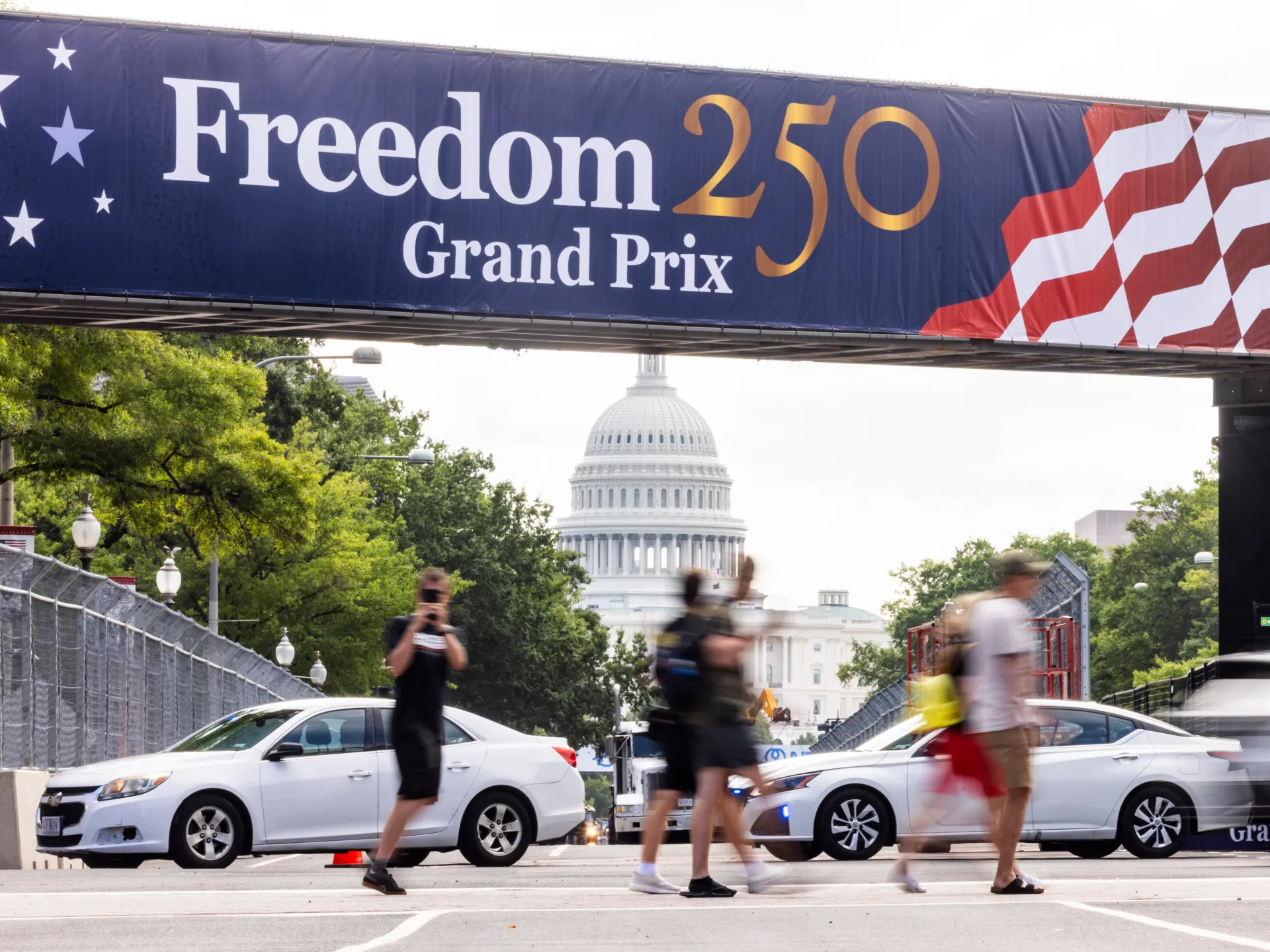
The Freedom 250 Grand Prix is set to open in Washington, DC, on 23 August 2026, marking the first time the NTT IndyCar Series has raced in the United States capital. The event, which forms part of the country’s 250th anniversary celebrations, converts a portion of the city into a seven-turn, 2.7-kilometre professional-grade track. The circuit runs along Pennsylvania Avenue and Constitution Avenue, passing in front of the Washington Monument and through sections of the National Mall.
President Donald Trump championed the race following an executive order signed in January to celebrate the nation’s history of motorsport. While the Grand Prix is administered by INDYCAR in coordination with the America 250 Task Force, it operates as a separate entity from Trump’s Freedom 250 initiative. This distinction has not prevented critics from raising concerns about the event’s political nature, particularly given the president’s direct involvement and his attendance at other high-profile motorsport events since returning to office in 2025.
The logistical footprint of the race has placed significant strain on the capital’s infrastructure. In the days leading up to the event, commuters have faced hours-long congestion due to the closure of popular thoroughfares. The Federal Aviation Administration announced that flights at Ronald Reagan Washington National Airport will be paused for three hours on Sunday to accommodate flyovers. With an expected cost of $35 million, the event is among the most expensive on the IndyCar calendar, with Penske Corporation covering the vast majority of expenses while the city handles limited repairs to streets and manhole covers.
Preservation experts have voiced concerns over the proximity of high-speed vehicles to historic sites. Race cars are set to pass at speeds nearing 321 kilometres per hour, prompting the National Gallery of Art to board up some windows and install barriers around outdoor works. A preservationist group has also warned that vibratory impacts could damage historic New Deal-era murals in the nearby Cohen Federal Building. The National Archives, which houses the original Declaration of Independence and US Constitution, is also located adjacent to the motor speedway.
Sponsorship ties have further fuelled debate over the event’s governance. INDYCAR is a subsidiary of Penske, the transportation company sponsoring the race. Other sponsors, including Boeing and Verizon, hold government contracts, while aircraft company Gulfstream recently received nearly $200 million in a deal for luxury jets for executive travel. The production company Harbinger, which has ties to previous Trump-hosted events, is coordinating logistics and the fan experience for the Grand Prix.
Ticket pricing highlights the event’s commercial scale, with a reported 100,000 general admission tickets given away for free. In contrast, premium viewing in the Champions Club costs $5,000 per person, while luxury suites are priced upwards of $250,000. Media reports indicate that President Trump is likely to attend, potentially taking a lap in his motorcade on Sunday.
IndyCar driver Pato O’Ward, the series’ only full-time racer from Mexico, has noted the potential for politicisation, calling it “ironic” if he were to win given the president’s stance on immigration. As the race approaches, the event stands as a significant institutional test, balancing national celebration with the practical realities of urban governance and heritage protection.