Perceived strategic advantage shifts to Tehran as analysts cite endurance over US constraints
Ali Vaez argues that Iran's confidence stems from the belief it can withstand a prolonged military and economic war better than Washington, which faces mounting domestic and international limitations.
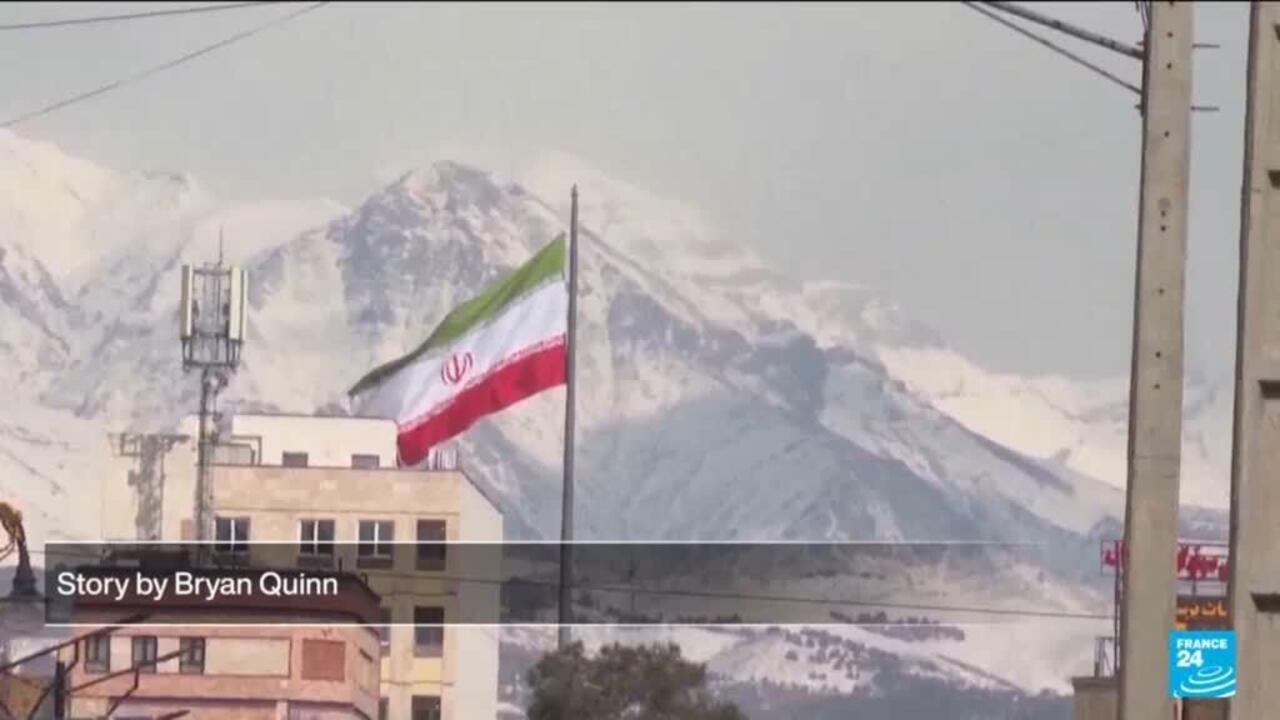
The strategic balance of leverage between Iran and the United States is increasingly viewed as having shifted in Tehran's favour, according to a recent assessment by the International Crisis Group. Ali Vaez, Director of the Iran Project and Senior Advisor at the organisation, asserts that Iranian leadership and the public perceive themselves as holding the upper hand in the current landscape. This confidence is not derived from immediate tactical victories but rather from a fundamental belief regarding long-term resilience.
Central to this assessment is the concept of a "double blockade," comprising both military and economic pressure. Vaez argues that Tehran possesses a distinct capacity to endure prolonged pressure from such a conflict more effectively than Washington. The analysis suggests that this perceived asymmetry in endurance is currently dictating the negotiating posture of both nations, with Iran feeling sufficiently secure to maintain its stance despite the intensity of the confrontation.
In contrast, the assessment highlights that the United States faces significant political and economic constraints at home and abroad. Vaez contends that these mounting limitations within Washington reduce its ability to sustain a prolonged engagement compared to its Iranian counterpart. The argument posits that while the US may possess conventional advantages, its domestic fragility and external economic pressures create a vulnerability that Iran believes it can exploit over time.
This dynamic has emerged in the aftermath of what the group describes as a military and economic war between the two powers. From Tehran's perspective, the outcome of this conflict has not been a decisive defeat but rather a demonstration of superior stamina. The International Crisis Group notes that this shift in perception is altering the strategic calculations for both sides, potentially hardening positions as each government gauges the other's willingness to continue the pressure.
The implications of this analysis extend beyond mere rhetoric, influencing how diplomatic channels are currently being utilised. Vaez suggests that the asymmetry in endurance is shaping the negotiating behaviour of both nations, with Tehran leveraging its perceived ability to withstand sanctions and military strain. Meanwhile, the US is reportedly recalibrating its approach in light of the constraints that limit its capacity for a prolonged strategic contest.
While the report relies heavily on the perception of Iranian sentiment rather than verified objective metrics of endurance, it offers a critical lens on the evolving security architecture in the region. The International Crisis Group maintains that understanding this psychological and strategic shift is essential for policymakers on both sides of the Atlantic as they navigate the complex aftermath of the recent conflict.